
Accommodation in Armenia
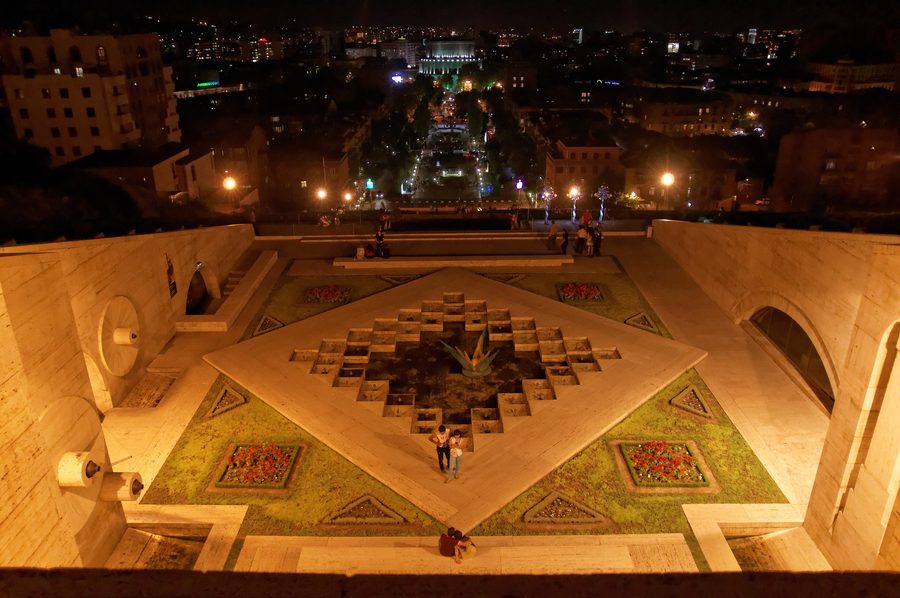 Yerevan’s Cascade and city center show Armenia’s capital as an urban contrast to the country’s landscapes and historic sites.
Photo: Vyacheslav Argenberg via Wikimedia Commons, CC BY 4.0
Yerevan’s Cascade and city center show Armenia’s capital as an urban contrast to the country’s landscapes and historic sites.
Photo: Vyacheslav Argenberg via Wikimedia Commons, CC BY 4.0
Armenia is a compact travel destination with clear differences between the capital, cultural sites, highland landscapes and Lake Sevan. That mix is exactly what makes the accommodation question so interesting: for your family, do you want a fixed city base, a landscape focus, or a trip built around distinct regions?
Quick facts about Armenia
- Armenia has ten provinces and Yerevan as a separate administrative unit.
- Yerevan is often used as a starting point and works well as a base for day trips with a return in the evening.
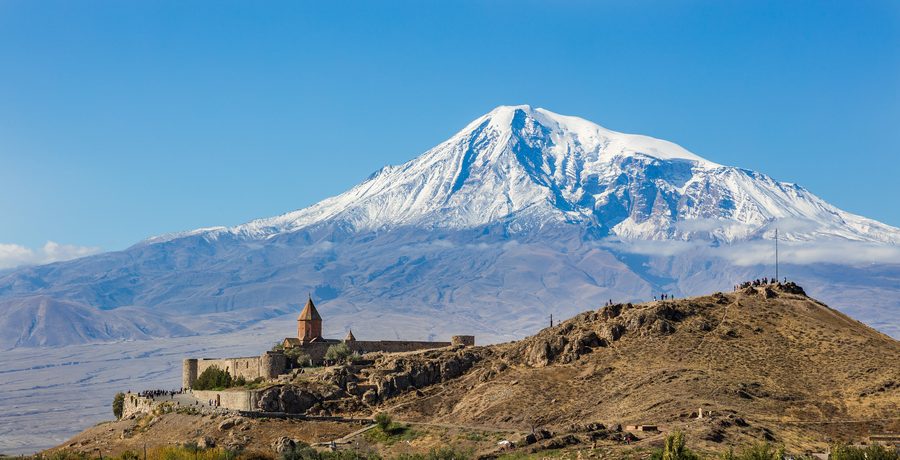
- Ararat lies in the heart of the country and is associated with the striking views of Mount Ararat and the Ararat Valley.
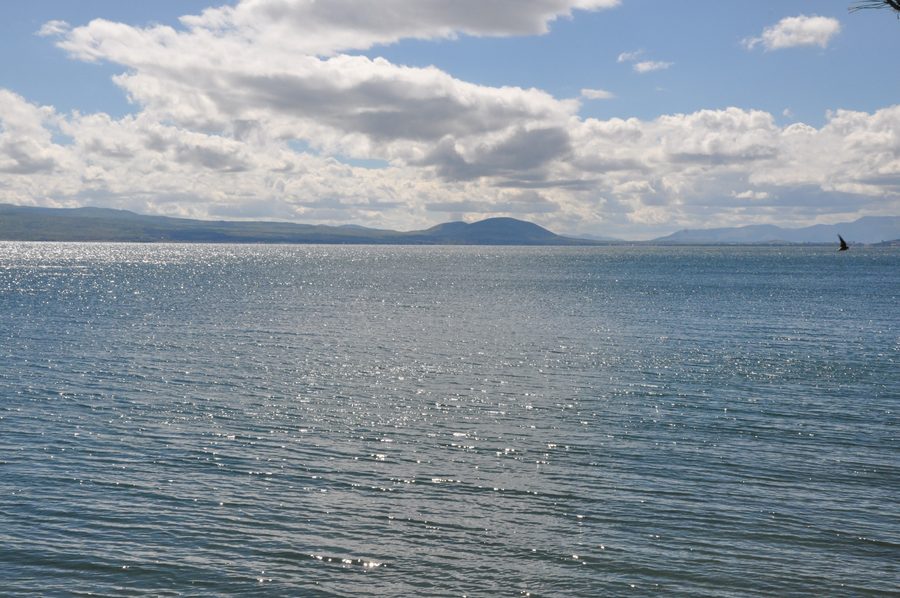
- Lake Sevan is a high-mountain lake and a typical summer destination for swimming and eating fish.
- The Areni region is known for its very old winemaking tradition and small family wineries.
Why Armenia can be appealing for families
The official country description links Armenia with nature, history and culture. Added to that are very different city atmospheres, from Yerevan to Gyumri and Stepanavan. For families, that is helpful because you can shape the pace of the trip more by energy levels and mood than by a rigid route: city base, cultural trip, landscape focus or a calm mix of everything.
Armenia is especially suitable if you want to combine historical places, architecture, nature, food and drink, and more active experiences in one trip. That makes the accommodation question more concrete: someone who likes returning to the same place in the evening plans differently from someone looking for a regional base for individual landscape days.
Where accommodation makes the difference
If you are looking for a central family base, Yerevan is the obvious first choice. The capital is a separate administrative unit and is often used as a starting point for day trips; this is especially convenient if, when traveling with children, you prefer a fixed base over frequent changes of location. If you also want to keep the country’s centre and the Ararat Valley in view, you can place Ararat alongside it as a more landscape-oriented alternative. Armavir and Kotayk add to this capital comparison as further province pages in the country portal.
If you see Armenia more as a region for nature, lakes and longer road trips, Gegharkunik, Lori, Shirak, Tavush, Vayots Dzor and Vayots Dzor open up additional comparison pages. Gegharkunik is especially relevant if you want to factor in summer at Lake Sevan. The other province pages broaden the country comparison without forcing you into only one way of travelling.
For a stronger focus on landscape and routes, Syunik and Aragatsotn complete the regional comparison. This is where the page is especially useful as orientation: you can see which regions you should first check as an accommodation base and which you are more likely to consider as part of a larger Armenia trip.
Frequently asked questions about Armenia
What makes Armenia interesting as a travel destination for families?
Armenia combines nature, history and culture and is well suited to travelers who want to bring different impressions together in one trip. Families in particular benefit from a clear base, which can make the journey feel calmer.
Is Yerevan a good base for day trips?
Yes. Yerevan is the capital and is often used as a starting point for day trips. That is practical if you prefer a central place to stay and returning in the evening.
What role does Lake Sevan play in a trip to Armenia?
Lake Sevan offers a different travel atmosphere from the capital: it is a high-mountain lake and a typical summer destination for swimming and eating fish.
What is the Ararat region known for?
Ararat lies in the heart of the country and is associated with the striking views of Mount Ararat and the Ararat Valley. The region is a good fit if landscape and regional character matter when choosing accommodation.
Which culinary or cultural travel theme is especially typical in Armenia?
Armenia combines monasteries, churches, khachkars, wine and highland views. The Areni region adds to that with a very old winemaking tradition and small family wineries.


