
Holiday apartment in Harare
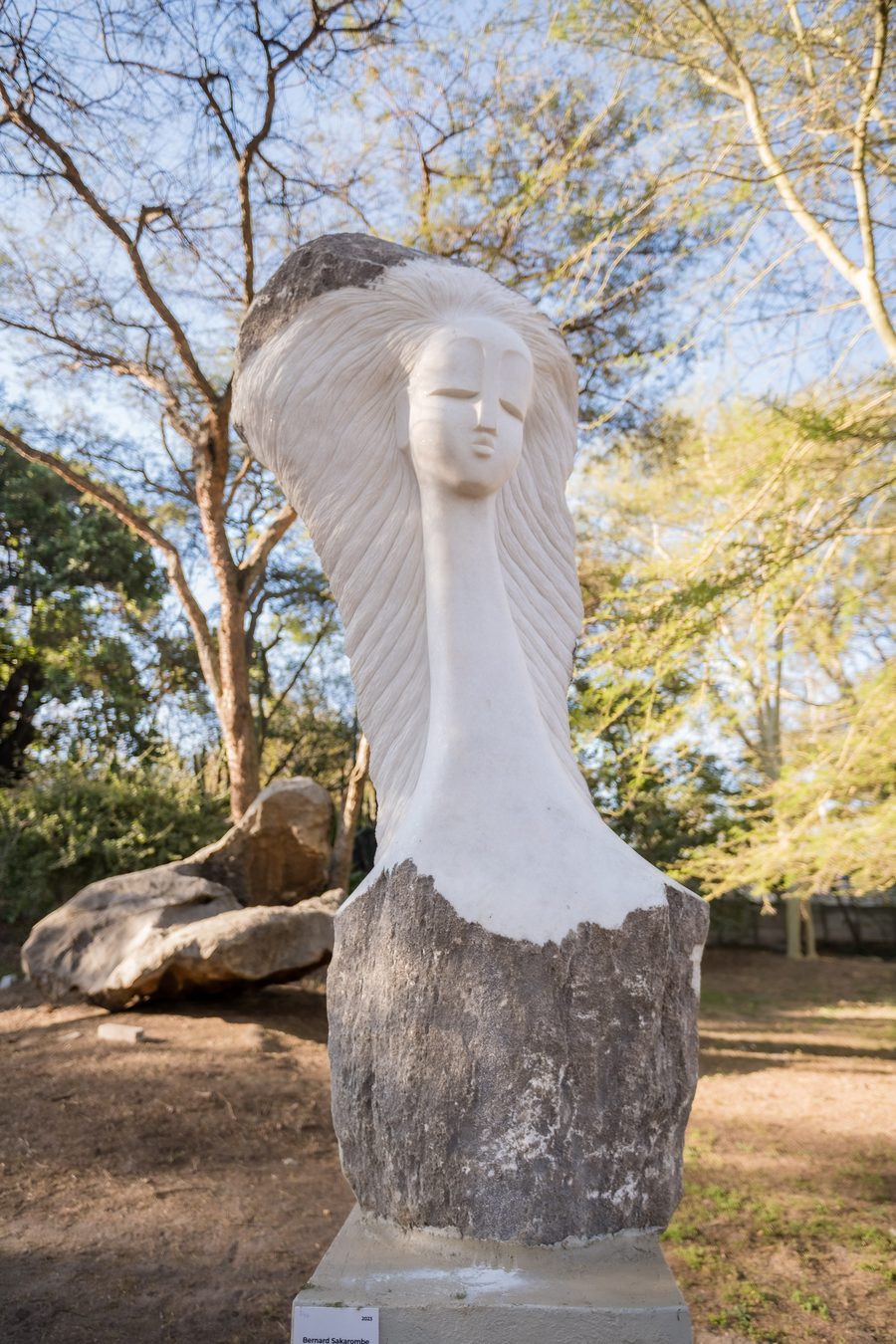 „Never Been Kissed“ von Bernard Sakarombe am Eingang des Chapungu Sculpture Park in Harare.
Photo: Lyn Mushakwe via Wikimedia Commons, CC BY-SA 4.0
„Never Been Kissed“ von Bernard Sakarombe am Eingang des Chapungu Sculpture Park in Harare.
Photo: Lyn Mushakwe via Wikimedia Commons, CC BY-SA 4.0
Harare is Zimbabwe's capital and largest city. The urban travel destination combines museums, galleries, and historic buildings with gardens as well as nature-oriented places and wildlife protection areas in the wider city and suburban surroundings. Anyone looking for a holiday apartment in Harare can therefore plan the stay as a cultural and city destination, as a mix of city and nature, or as a stopover on a larger trip through Zimbabwe.
Quick facts about Harare
- Harare is the capital and largest city of Zimbabwe.
- The city experience includes museums, galleries, historic buildings, and gardens.
- Mukuvisi Woodlands and Cleveland Dam are named as sights in Harare.
- Chapungu Sculpture Park offers a cultural reference to Shona sculpture.
- Harare can be an independent travel destination, stopover, or starting point for further destinations.
City history, art, and green experiences
Anyone in Harare who wants to combine museums, galleries, and historic buildings with gardens and nature-oriented destinations will find different points of connection. Museums, galleries, and historic buildings open access to the city's history and urban culture. Gardens complement these cultural places with green impressions. This makes it possible to shape a day of cultural discoveries differently from a stay in nature-oriented areas.
Chapungu Sculpture Park sets a specific accent for art enthusiasts: the Shona sculpture mentioned in the travel description is the focus here. Together with the museums and galleries, this creates a cultural program that can be combined with days in nature. Current visiting options and programs should be checked separately.
For nature experiences, the city portal names Mukuvisi Woodlands and Cleveland Dam. Green gardens and wildlife protection areas in the suburban surroundings are also described as part of the Harare experience. This allows families to combine cultural places and art with forest, garden, or nature-oriented day sections without committing the entire stay to just one type of experience.
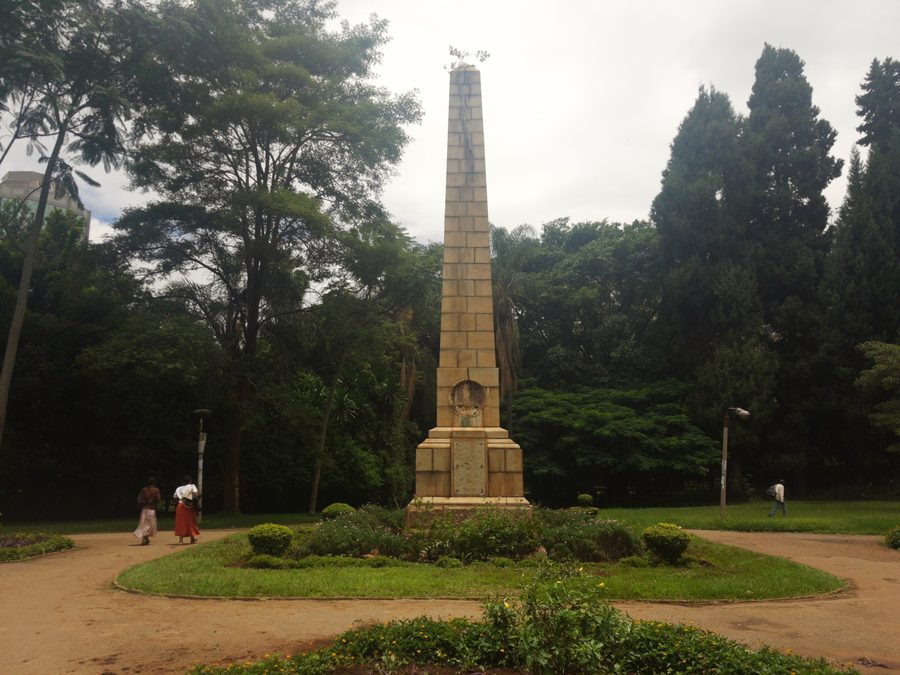
Which location suits your stay in Harare?
For choosing a location, the desired daily rhythm is more important than a general recommendation. A more urban central location is more suitable for a stay focused on city visits, museums, galleries, and historical places. A greener suburban setting is described as more spacious and closer to nature and may be more suitable for garden, forest, and nature days.
This distinction does not replace concrete mobility planning: reliable distances and travel times are not available for all destinations. Before searching, therefore consider whether your family mainly wants to collect urban impressions, plan nature-oriented destinations, or combine both flexibly. A holiday apartment should match this focus and the activities planned for each day.
Holiday apartment as a flexible family base
In Harare, different accommodation categories are mentioned, including urban accommodations, self-catering options, B&Bs, and lodges. For the search for a holiday apartment, the desired organization is therefore what matters most: if flexible meals and an independent daily routine are important, look for explicitly documented self-catering features. However, the category alone does not allow any conclusion about specific facilities, size, availability, or suitability for families and pets.
Travel planning also influences the right base. Anyone experiencing Harare as an independent city stay can orient the location more strongly toward culture and urban impressions. Anyone wanting to connect the city with other regions will view the holiday apartment more as part of a stopover plan. Harare is described as a possible stopover or starting point for destinations such as Kariba, Mana Pools, or Zambia; specific routes and transfer times must be checked separately.
Plan Harare flexibly
In travel planning, Harare can be understood as a change between cultural places, art, gardens, and nature-oriented destinations: a green day section can follow cultural places and art, and an excursion to a nature-oriented destination can follow city history. Flexible planning can combine cultural places and art with gardens, forest, or wildlife offerings. You should check current visiting options in advance. If you want to compare other parts of the country, Discover Zimbabwe provides the broader view of the destination.
Frequently asked questions about Harare
What makes Harare special as a travel destination?
Harare is Zimbabwe's capital and combines urban culture, museums, galleries, and historical places with gardens as well as nature-oriented destinations such as Mukuvisi Woodlands and Cleveland Dam.
Which experiences can be combined in Harare?
Cultural places and art can be combined with gardens, forest, and wildlife experiences. Chapungu Sculpture Park offers a specific reference to Shona sculpture.
Which location is more suitable for a stay in Harare?
A more urban central location is more suitable for city visits; greener suburban locations are described as closer to nature and more spacious. The decisive factors are the desired daily rhythm and your mobility planning.
Can Harare be part of a larger Zimbabwe trip?
Yes. Harare is described as a possible stopover or starting point for trips toward Kariba, Mana Pools, or Zambia. You should check specific routes and transport connections separately.


.jpg)