
Discover Zimbabwe
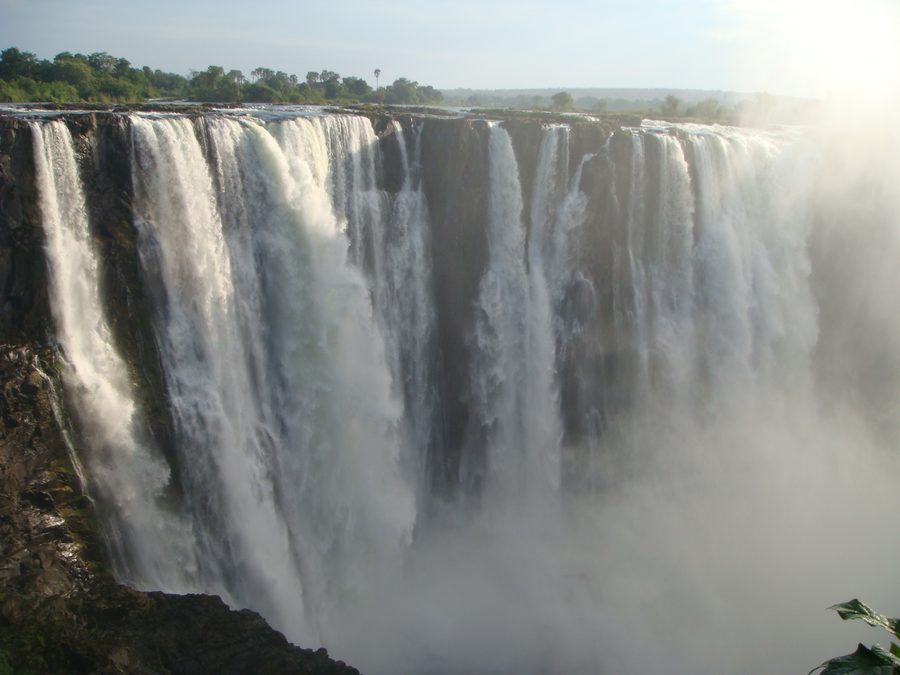 Die Victoriafälle, auch Mosi-oa-Tunya genannt, liegen zwischen Simbabwe und Sambia.
Photo: Jorge Láscar from Australia via Wikimedia Commons, CC BY 2.0
Die Victoriafälle, auch Mosi-oa-Tunya genannt, liegen zwischen Simbabwe und Sambia.
Photo: Jorge Láscar from Australia via Wikimedia Commons, CC BY 2.0
Zimbabwe surprises with travel scenes that could hardly be more different: at Victoria Falls, water becomes a vast natural spectacle; in Hwange National Park, protected areas and waterholes shape the wilderness; while Great Zimbabwe, the Khami Ruins and the Matobo Hills combine history and landscape. In the east, Nyanga offers a highland region for visitors, and around Harare an urban section. For a trip with multiple interests, this interplay of nature, culture, city and landscape is especially appealing.
In brief
- Victoria Falls is one of Zimbabwe’s defining natural experiences and is shared with Zambia.
- In Hwange National Park, waterholes are especially important for elephants and other wild animals during the dry season.
- Great Zimbabwe near Masvingo and the Khami Ruins near Bulawayo show medieval stone architecture in dry-stone construction.
- The Matobo Hills south of Bulawayo combine rounded granite formations with wooded valleys.
- Nyanga National Park lies in the eastern highlands; Mount Nyangani, the highest point in Zimbabwe, is located there.
- Harare stands for an urban travel section with city life, colonial-era architecture and parks.
Waterfall and wilderness in the northwest
The region around Victoria Falls and Hwange appeals to travellers who want to fill their days with impressive natural scenes. Victoria Falls sets a clear focus: the waterfall experience is a shared highlight that immediately gives a trip a distinctive character. In Hwange National Park, the emphasis shifts from the water backdrop to the breadth of the protected area. Especially in the dry season, waterholes become important observation points for elephants and other wild animals.
If the waterfall is to take centre stage, Victoria Falls is the natural choice for a dedicated travel section. For wilderness, the right destination is Hwange. The pages for North Matabeleland add to this northwestern selection. This makes it possible to align accommodation with the preferred focus instead of treating waterfall and national park as the same experience.
Stone history and distinctive landscapes
In the south and southwest, a different travel picture emerges. Great Zimbabwe near Masvingo and the Khami Ruins near Bulawayo bring history to life through walls, forms and spaces. The Matobo Hills add granite formations and wooded valleys to the cultural section. This is an exciting choice for families who want to alternate between more active nature days and calmer exploration of historic places.
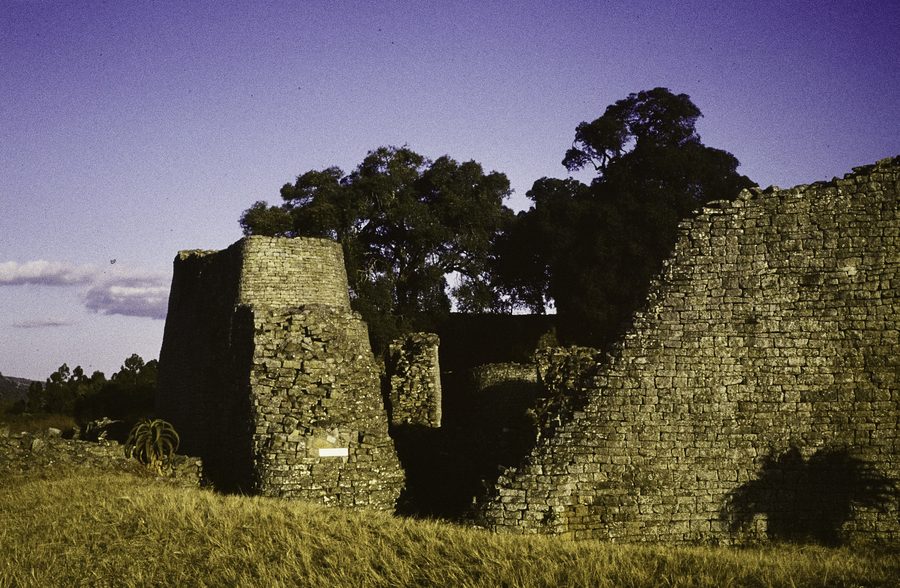
Masvingo is the right anchor for the southern cultural section. In the southwest, Bulawayo points to Khami and the Matobo Hills. Accommodation in this travel area therefore works best as part of a regional itinerary, when heritage and rock landscapes are meant to sit deliberately alongside the waterfall or the highlands.
Highlands in the east: Nyanga, Manicaland and Mutare
The eastern highlands form the clearest contrast to savannah, waterfall and city. Nyanga lies on a high plateau; Mount Nyangani, waterfalls and wide valley views shape the landscape. Anyone looking for mountain scenery and long vistas will find a distinct travel feeling here. It is less about a single major highlight and more about the interplay of highlands, open spaces and landscape-driven days.
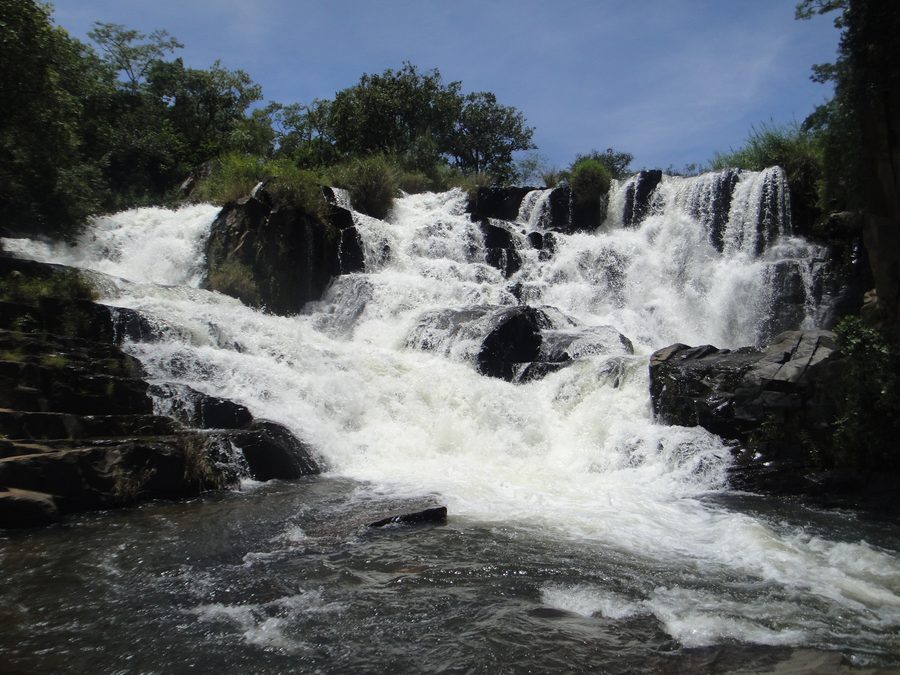
Nyanga is the most concrete example of this highland section. Manicaland and Mutare lead to further pages in this eastern travel area. A base in the highlands should therefore be thought of as a landscape section of its own; it tells a different story from a stay at the waterfall or in an urban setting.
Combining city and nature in one trip
Harare can mark an urban section, while Nyanga and the Eastern Highlands stand for mountain landscapes. This contrast helps when putting together a trip: a city stay sets different accents than days spent among mountains, valleys and viewpoints. Anyone wanting to combine different ages and interests can plan city, nature, culture and wilderness as clearly separate sections, without reducing Zimbabwe to just one place.
For further location choices, Chegutu, Gweru, Kadoma, Kwekwe, Marondera, Mvurwi, Redcliff, Mashonaland West, Chiredzi, Mashava and Zvishavane are available. These location pages help continue the selection at country level.
Which base suits the travel picture?
Regional differences have a direct impact on the choice of starting point. In the Victoria Falls or Hwange area, the first decision is whether the waterfall or the national park should be the focus. In the eastern highlands, accommodation suits a landscape-oriented section around high plateaus and mountain views. Harare can be regarded as an urban start, end or intermediate section, while Great Zimbabwe, Khami and Matobo are more suitable for a southern or southwestern stage.
Especially on a trip with several interests, it can make sense not to plan all experiences from a single base. Different regions stand for different kinds of days: wildlife viewing, waterfall, heritage, city or highlands. When choosing accommodation, therefore, first check which section is at the centre and whether the location fits your preferred rhythm of shared discoveries and quieter days.
Frequently asked questions about Zimbabwe
Which travel scenes can be combined in Zimbabwe?
Victoria Falls and Hwange stand for waterfall and wilderness, Great Zimbabwe and Khami for stone history, Harare for city life and Nyanga for highland landscapes. These contrasts can be understood as different stages of a trip.
What does a stay in the eastern highlands offer?
Nyanga and the Eastern Highlands provide a mountainous counterpoint to the western nature regions and the southern cultural areas. High plateau, Mount Nyangani and wide views define this landscape section.
Why can multiple accommodation bases be useful?
Waterfall, national park, heritage and highlands lie in different travel areas and each offer their own experiences. Several regional stages help make these differences visible instead of treating them as excursions from one single location.

_(4548268750).jpg)

