
Wallis and Futuna – Islands, Culture and Nature
Accommodation in Wallis And Futuna
Wallis and Futuna is not just another interchangeable South Seas destination, but a French overseas collectivity in the South Pacific with two geographically separate island groups. On Wallis, crater lakes, lagoons, historic sites, and Polynesian traditions come together for varied days of discovery. Futuna and nearby Alofi set a different, nature-focused tone with the Loka Cave. For families who want to combine shared experiences with quiet days and cultural impressions, the most important decision therefore starts with choosing the island.
At a glance
- The territory includes the Wallis Islands, also known as Uvea, as well as the Horn Islands with Futuna and Alofi.
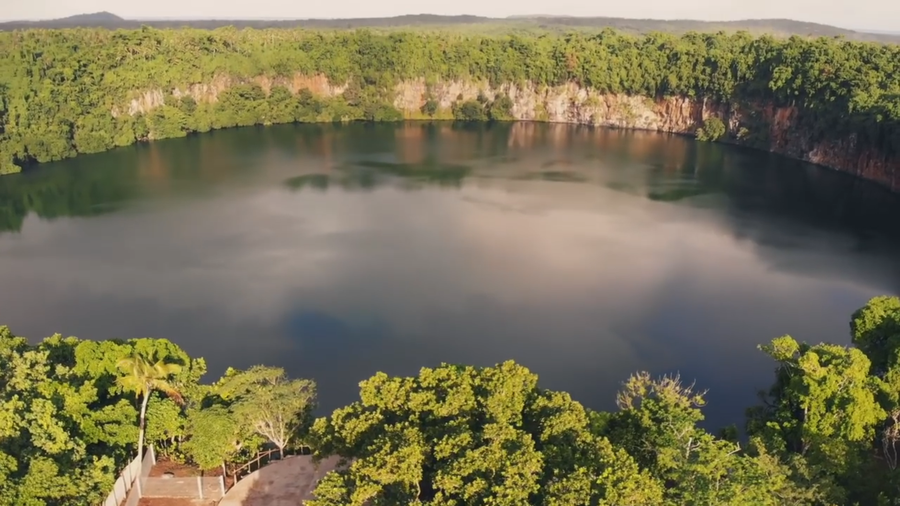
- On Wallis lie the three crater lakes Lanutavake, Lano, and Lalolalo; Lalolalo can be viewed from a lookout point.
- Talietumu and Tonga Toto preserve remains of fortifications from the period of Tongan dominance in the 15th century.
- Katoaga ceremonies, kava, dance, language, music, and handicrafts are part of the local traditions on Wallis.
- A trip in a va'a, a Polynesian outrigger canoe, offers a special view of the lagoon and nearby islets.
- The Loka Cave on Alofi can be reached by boat followed by a walk.
- Local food culture includes fish and seafood, taro, cassava, and coconut; in the umu, food is traditionally cooked slowly in leaves.
Wallis: crater lakes, lagoon, and visible history
Wallis is especially well suited to a stay where nature, culture, and history are close together. A shared excursion to the crater lakes brings an unusual landscape into the holiday beyond the usual coastal scenery. At the viewpoint above Lalolalo, the shape of the lake can be grasped immediately; Lanutavake and Lano add to this nature theme.
The past also remains tangible. In Talietumu and Tonga Toto, remains of fortifications from the period of Tongan dominance have survived. Such places give an island day a historical dimension and offer families a concrete reason to talk about the changing influences in the Pacific. Those seeking water-based experiences can also get to know the lagoon by va'a, provided such an offer is actually available for the period in question.
Everyday life, traditions, and taste
The cultural side of Wallis is reflected in Katoaga ceremonies as well as in kava, dance, language, music, and handicrafts. These elements belong to local custom and make clear that a stay is not made up only of sightseeing. Please understand such references as an invitation to observe attentively and get to know the place respectfully, not as a promise of any specific event.
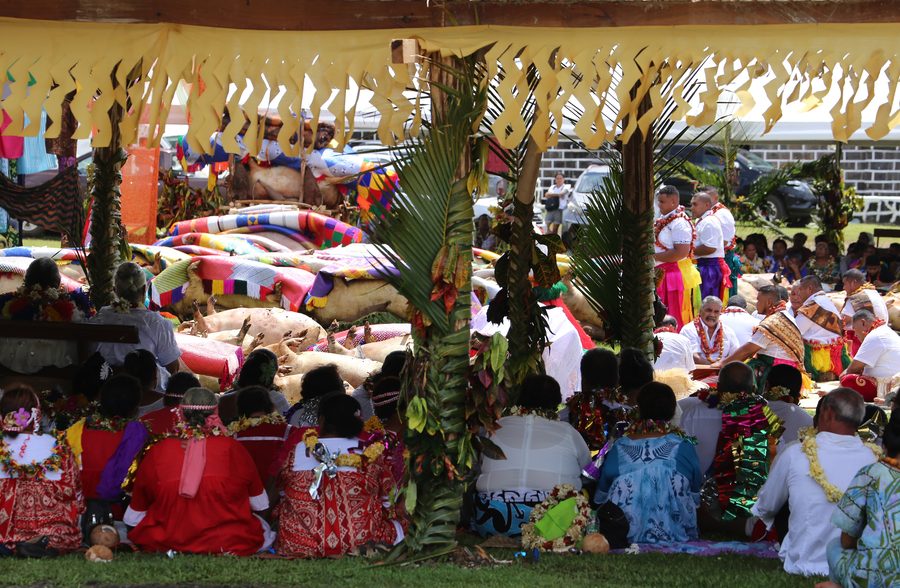
Wallis’ Polynesian influence is also easy to identify in its food: fish and seafood meet taro, cassava, and coconut. In the umu, food is traditionally cooked slowly in leaves. For families, this mix of nature observation, history, everyday culture, and food can spark interesting conversations and different ideas for shared days, without every holiday day having to look the same.
Wallis or Futuna: which island fits the travel plan?
The two island groups are separate and should therefore not be treated as one identical island experience. With crater lakes, a lagoon, historic sites, and cultural impressions, Wallis is the more varied base for these kinds of experiences. Futuna and Alofi, by contrast, are especially suited to the nature-focused outing to Loka Cave: a boat trip is followed by a walk to the cave. Anyone who wants to give such island experiences and movement more weight should consider Futuna as a separate focus.
The choice of island also affects the search for accommodation. In the current tourism office overview, small accommodations are listed on both islands; for Wallis several types of lodging are shown, while the selection on Futuna appears smaller. Before booking, check the current overview and the exact location of the accommodation you want if certain excursions or a particular part of the island are meant to shape the stay.
More concrete ideas for sights on Wallis and Futuna can be found at France.fr.
Frequently asked questions about Wallis and Futuna
How do Wallis and Futuna differ for travel planning?
Wallis combines crater lakes, a lagoon, historic fortification remains, and cultural impressions. Futuna and Alofi offer a nature-oriented excursion to Loka Cave, with a boat trip followed by a walk. Choose the focus depending on whether nature and water experiences on Wallis or a more island-centered cave excursion should define the stay.
What do the crater lakes and fortification remains tell us about Wallis?
The crater lakes show a striking landscape feature, while Talietumu and Tonga Toto recall the period of Tongan dominance in the 15th century. Together, they make Wallis a destination that vividly connects nature and history at specific places.
Which culinary traditions shape Wallis and Futuna?
Fish and seafood, taro, cassava, and coconut are described. In the traditional umu, food is cooked slowly in leaves. This provides insight into the local food culture, but does not replace a current overview of individual restaurants or menus.


