
Accommodation in Tonga
Accommodation in Tonga
Tonga is not a single beach resort, but an island kingdom with clearly different travel experiences. On Tongatapu, the capital, history, and natural sights come together; ʻEua stands for nature and wildlife, Haʻapai for experiences in and on the sea, and Vavaʻu for a varied island coastline. For families, the first question is therefore which mix of culture, landscape, water, and quiet should shape the stay.
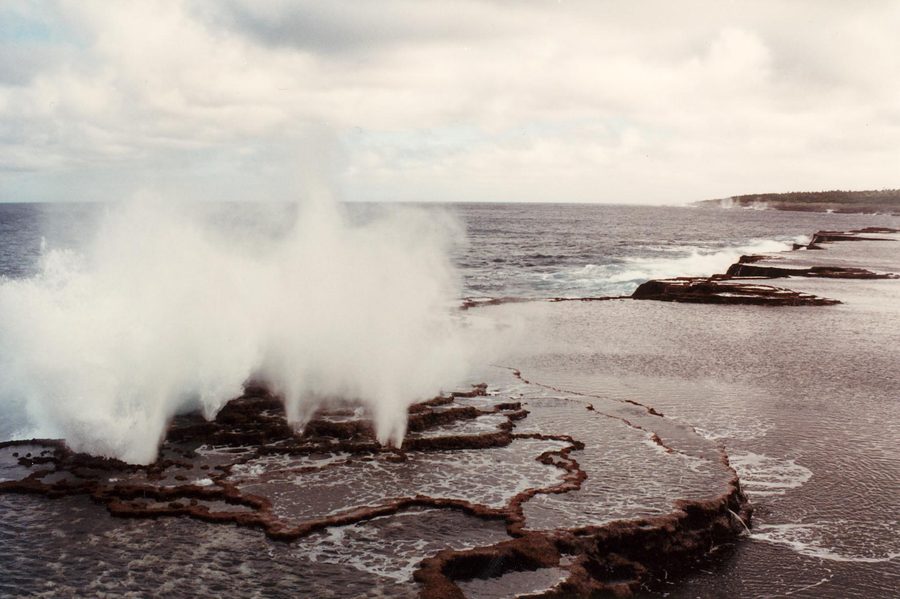 Die Mapu-a-Vaea-Blowholes zeigen eine der markanten Naturseiten Tongatapús.
Photo: Hobe / Holger Behr via Wikimedia Commons, Public domain
Die Mapu-a-Vaea-Blowholes zeigen eine der markanten Naturseiten Tongatapús.
Photo: Hobe / Holger Behr via Wikimedia Commons, Public domain
At a glance
- Tongatapu combines the capital, historic sites, and natural attractions such as limestone caves, blowholes, and flying fox colonies.
- Nukuʻalofa adds a more urban accent to the Tonga experience.
- ʻEua is associated with natural attractions and wildlife.
- Haʻapai stands for activities in and on the sea.
- Vavaʻu is an island group of around 50 islands with sandy shores, coconut palms, cliffs, and caves.
- Tonga stretches a long way from north to south; choosing an island base therefore affects the pace of the trip.
An island kingdom with several travel experiences
Anyone traveling to Tonga is not only choosing accommodation, but first of all a landscape and a daily rhythm. Tongatapu is a good starting point in the mind for anyone who wants to combine a city and history connection with natural sights. The island is also described in terms of rainforest and beach stays. This creates a more varied picture than a trip focused solely on coastal scenery.
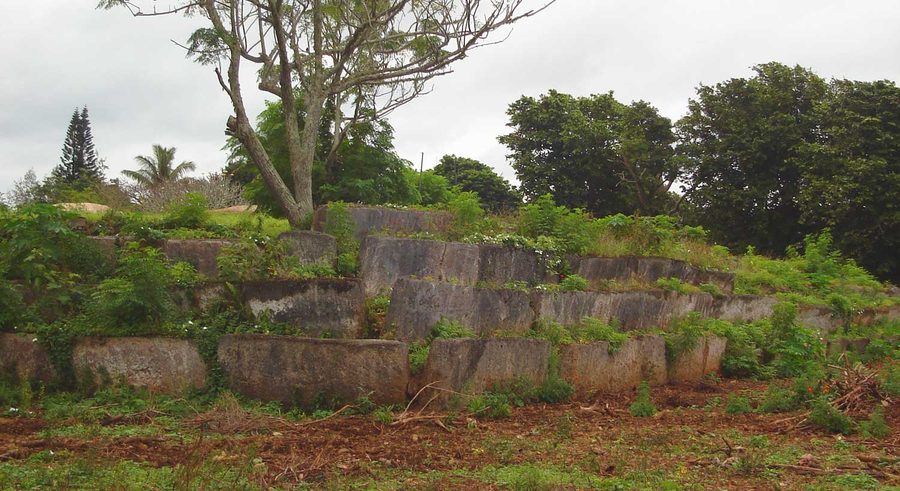
Natural formations like these are part of the image of Tonga that sets Tongatapu apart from a purely urban base. Historic places and distinctive coastal features can here be seen as different facets of the same island.
Nature, sea, and striking coastlines
ʻEua sets a different accent: the island, described as Tonga’s oldest island, is associated with natural attractions and wildlife. For a family that prefers to shape shared time around nature rather than a capital setting, this offers a distinct travel experience.
Haʻapai, by contrast, puts activities in and on the sea in the foreground. These include diving, snorkeling, kite surfing, as well as whale watching and swimming with whales. These references should be understood as possible thematic orientation, not as a promise of an always available offer or any particular sighting.
Vavaʻu feels different again in terms of landscape. The island group ranges from sandy shores with coconut palms to rugged cliffs with caves. Anyone especially interested in changing island and coastal panoramas will find a different basic motif here than on Tongatapu, with its stronger capital and history connection.
Which island base fits your idea of Tonga?
The choice can be sensibly made based on the family’s most important shared experience. Tongatapu, or the area around Nukuʻalofa, is suitable as a starting point if capital connections, historic sites, and the natural attractions described above are to go together. Accommodation on ʻEua should be understood as an island choice oriented toward nature and wildlife; Haʻapai focuses attention more strongly on the sea. Vavaʻu is the obvious thematic choice for an island coastline of palm beaches, cliffs, and caves.
In the catalog, you can follow these differences through the regional destinations: Tongatapu stands for the main island, while Nukuʻalofa makes the capital connection more specific. You can also find Ha'avakatolo. For the more island-focused variants, the regional pages lead to ʻEua, Haʻapai, and Vavaʻu.
Accommodation as part of trip planning
In Tonga, the location of the accommodation should follow the chosen island experience. On Tongatapu, or in the area around Nukuʻalofa, the focus is on the capital and history alongside natural sights. On ʻEua, Haʻapai, or Vavaʻu, the accommodation is better understood as an independent island base whose purpose arises from the desired focus: nature and wildlife, sea activities, or coastal scenery.
Because Tonga is spread over a long north-south distance and moving between islands can take time, it is worth deciding on a base before booking. A fixed island choice supports a calmer family rhythm if several island groups are not meant to be explored one after another. Therefore, check the exact location of the accommodation in relation to the experiences that should define the stay for your family.
Frequently asked questions about Tonga
What makes Tonga different from a single classic beach resort?
Tonga combines several island groups with different focal points: capital and historic sites on Tongatapu, nature and wildlife on ʻEua, sea activities in Haʻapai, and coastlines, cliffs, and caves in Vavaʻu.
Which island group is more suitable for culture, nature, or sea experiences?
For capital and history, Tongatapu with Nukuʻalofa is a good reference point. ʻEua is associated with nature and wildlife, Haʻapai with activities in and on the sea, and Vavaʻu with a varied island coastline.
Why should the island choice be made early when booking accommodation?
Tonga’s island world is spread out, and moving between islands can take time. Anyone choosing a fixed base can align the family rhythm more closely with a desired experience profile instead of only loosely combining several island groups.


