
Accommodations in Togo
Accommodation in Togo
Togo is intriguing because a single trip can combine very different impressions: markets and coastal towns in the south, green hills around Kpalimé, and the distinctive cultural landscape of Koutammakou in the north. If you are traveling with family or as part of a group, this makes it possible to plan active days in nature, cultural discoveries, and quieter hours by the water together—and then choose accommodation as part of the travel profile you want.
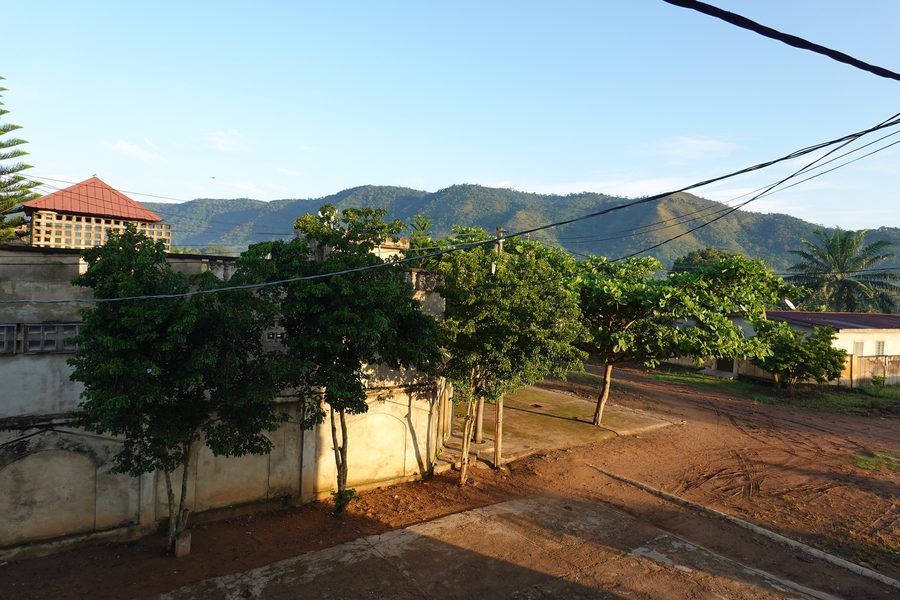 Berglandschaft bei Kpalimé im togolesischen Plateaux.
Photo: Kulttuurinavigaattori via Wikimedia Commons, CC BY-SA 4.0
Berglandschaft bei Kpalimé im togolesischen Plateaux.
Photo: Kulttuurinavigaattori via Wikimedia Commons, CC BY-SA 4.0
Short & sweet
- Coastal lagoons, wooded plateaus, and savannas shape Togo’s different landscapes.
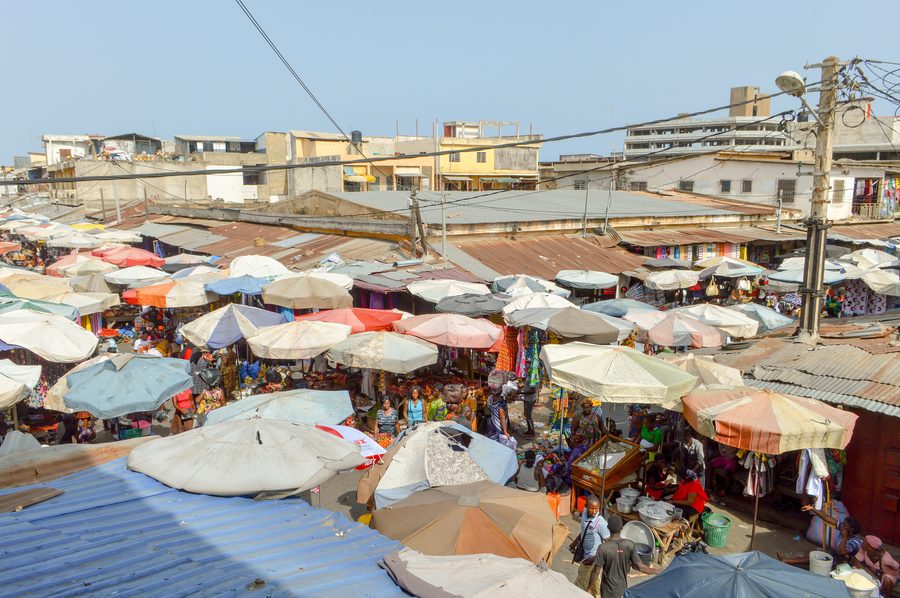
- The colorful markets of Lomé showcase everyday goods, fabrics, jewelry, and spices.
- Kpalimé and the surrounding hills stand for coffee plantations and nature excursions.
- Koutammakou in the north is a cultural landscape shaped by the tower-like earthen houses of the Batammariba.
- The cultural landscape of Koutammakou has been a UNESCO World Heritage Site since 2004.
- Togoville combines local shrines with voodoo traditions.
- Aného adds beaches and traces of 19th-century architecture to the southern travel profile.
Three very different sides of Togo
In the south, discovery often begins with urban and coastal Togo. Lomé brings color and movement to the day through its markets; between fabrics, jewelry, everyday goods, and spices, you can observe local everyday culture at close range. Togoville adds a cultural note with shrines and memories of voodoo traditions. Aného, by contrast, combines beaches with architectural remnants from the 19th century. Accommodation in this southern setting is therefore especially well suited to a trip plan that links city, coast, history, and market visits.
Around Kpalimé, the scenery shifts to green hills and a more landscape-focused setting. Coffee plantations, hiking trails, and the highland backdrop give the days a more active rhythm, without every outing having to feel the same. For a travel group in which some people prefer to be outdoors while others appreciate quieter hours in between, this profile offers a clear contrast to the markets and coastal towns of the south.
In the north, Koutammakou represents yet another focus. The tower-like earthen houses of the Batammariba make the cultural landscape unmistakable and tell of a way of building and living that differs clearly from the southern city and coastal scenes. If you want to discover not only landscapes but also distinctive architecture and cultural history on one trip, you can deliberately include this northern highlight.
Which travel style suits you?
If markets, coastal towns, and historical impressions are your priority, a city-based or coastal base in the south is the obvious choice. That keeps your accommodation closely tied to the day’s planned activities. For nature excursions, hills, and coffee plantations, a landscape-oriented base around Kpalimé is the better fit. In this way, you choose between different travel images: the lively south and the green highlands.
If you want to experience as many sides of Togo as possible, you may also want to consider several stops instead of just one base. One example route links Lomé, Kpalimé, Kara, and the coast as different stages. For families with changing interests, this approach can create varied days; at the same time, the accommodation should match the specific leg of the trip. You should check current distances, travel times, and traffic conditions separately before planning.
Regional reference points for your trip
If the southern city and coastal area is your focus, you can take a closer look at the Maritime Region. For green hillscapes and nature excursions around Kpalimé, the Plateaux Region is a good choice. If you want to combine the northern cultural highlight of Koutammakou, the Kara Region provides a suitable regional reference. The Centrale Region is also part of the regional selection for a trip through Togo.
When choosing accommodation, you should therefore first decide whether market and coastal days, nature experiences around Kpalimé, a cultural focus in the north, or a combination of these profiles is your priority. If different needs come together within the travel group, accommodation with enough space for joint planning and flexible day-to-day arrangements can be a good idea; however, the exact facilities or self-catering options vary by property and should be checked directly with the individual accommodation.
Frequently asked questions about Togo
Which different travel experiences can be combined in Togo?
You can combine urban markets and coastal towns in the south with the green hill landscape around Kpalimé and a cultural focus in Koutammakou. This creates a trip with different landscapes, daily rhythms, and types of discovery.
What role do markets and local products play on a trip to Togo?
The markets of Lomé make everyday culture easy to experience. Fabrics, jewelry, and everyday goods show the urban environment; spices also offer a sensory introduction to local products, without implying any specific dish.
Which base suits a nature-oriented or culturally focused trip to Togo?
For nature excursions and the hills around Kpalimé, a landscape-oriented base is usually the better fit. If you want to experience Koutammakou as a cultural highlight, you can plan a northern stage. A trip with several accommodation bases is a good option for combining multiple profiles.


