
Accommodation in Suriname
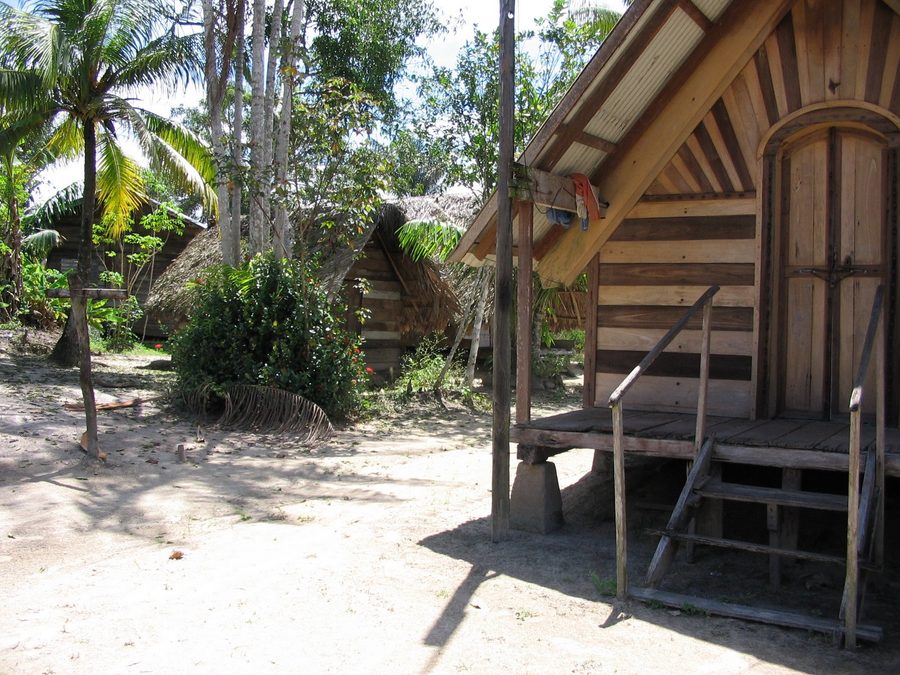 Riverside homes in Suriname's Amazon rainforest interior.
Photo: Forrestjunky via Wikimedia Commons, CC BY-SA 3.0
Riverside homes in Suriname's Amazon rainforest interior.
Photo: Forrestjunky via Wikimedia Commons, CC BY-SA 3.0
Suriname is a destination for families who want to experience very different moods on a single trip: a well-plannable capital base, stays near the coast, and a distinctly nature-oriented interior. For your accommodation decision, the key question is how much city life, how much peace, and how much logistics fits your travel pace.
Quick facts
- More than 85 percent of Suriname is covered by untouched jungle.
- Paramaribo is considered a practical capital base with culture, markets, restaurants, and easy access.
- Apartment-style accommodations are especially suitable if you are staying longer or planning to self-cater.
- The city, the coast, and the interior each place very different priorities on family routines and day trips.
Which base suits your family trip
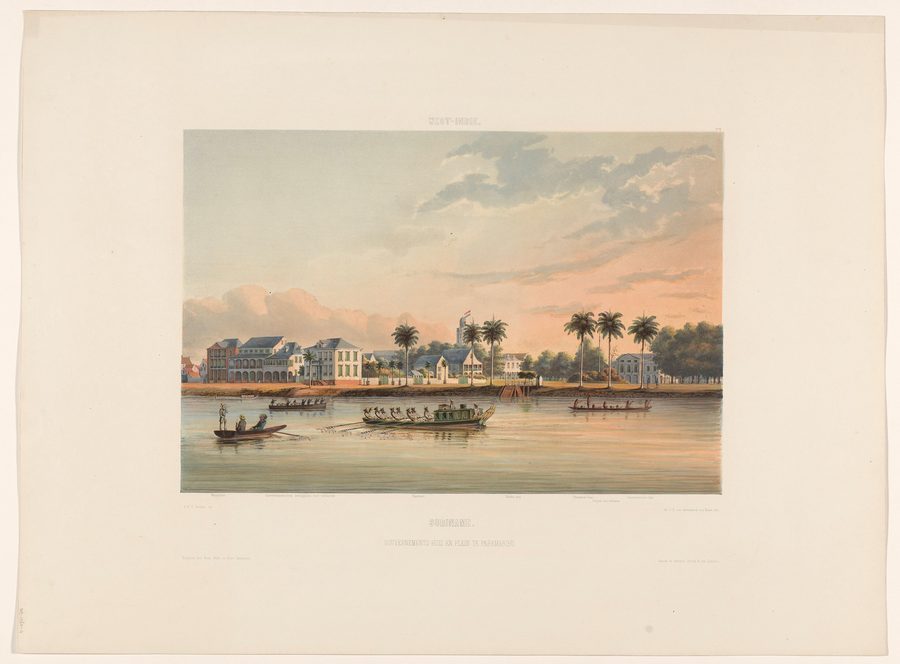
If you are traveling with children and want the shortest possible distances and a predictable start, Paramaribo is the obvious anchor. The capital is described as a culturally shaped city base and combines markets, restaurants, and easy access. For families, that often means the most pleasant everyday moments: arriving, getting oriented, eating something simple in between, and setting out from a fixed base.
If you are staying longer or want to think about self-catering, Suriname also lends itself well to an apartment or holiday-rental style. That suits trips where you do not want to reorganize everything every day. If you are comparing a city base and arrival logistics, Wanica is another urban entry point on the Suriname side.
Culture and food make short days lively
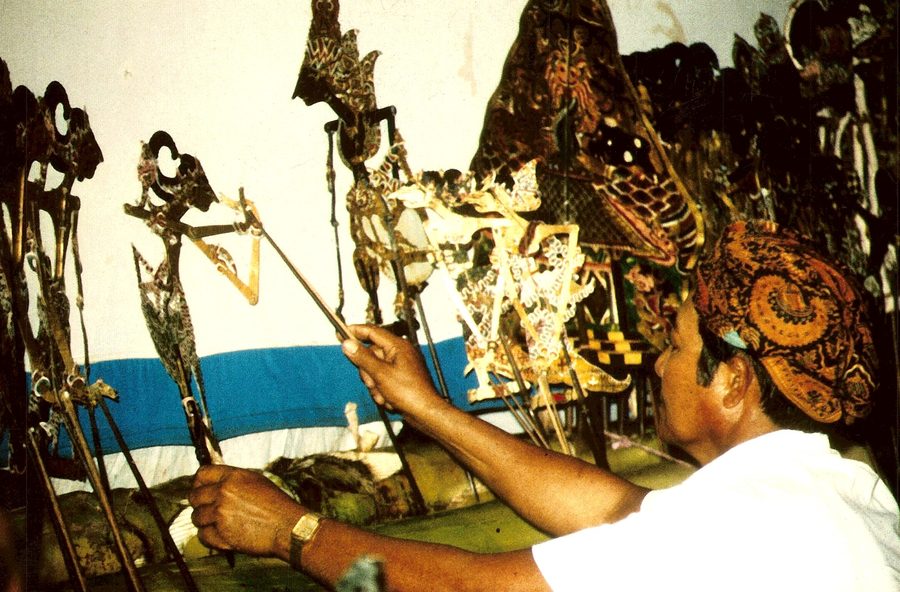
Travel sources describe Suriname as a blend of African, Asian, European, and Indigenous influences; in the cuisine, Creole, Indian, and Javanese traces are evident. That is pleasant for families because you can experience the country not only through major excursions but also in everyday life: at a market, over a meal in town, or on a short walk through the center.
Among the cultural reference points mentioned are Holi Phagwa and Owru Yari. Such names quickly make it clear that Suriname is culturally diverse and should not be reduced to a single travel image.
When the interior becomes the better choice
Suriname is above all a very green country. In the interior, river and village experiences take center stage, and Sipaliwini marks exactly this nature- and river-oriented part of the country. If you are looking with children for peace, nature, and a trip with more distance from everyday city life, the accommodation question reads differently here than in Paramaribo.
In practical terms, that means: the more you enjoy nature and longer, less urban stages, the more likely it is that a base search with more logistics and more space for quiet days will suit you. If, on the other hand, you need short distances and a clearer daily structure, stay closer to the capital.
More places in Suriname
If you would like to read the country page as a map with additional starting points, you will find the remaining place pages here as neutral orientation points: Alkmaar, Berg En Dal, Bottopassi, Commewijne, Domburg, Nieuw-Nickerie, Saramacca, and Slootwijk.
That keeps the page focused on the essentials: what kind of stay suits your family, and where in Suriname does that base feel most fitting?


,_NG-1064-4.jpg)
