
Discover Sudan: Nile, desert and cultural heritage
Accommodation in Sudan
Where the White Nile and the Blue Nile meet, a particularly striking way into Sudan begins: in Khartoum, the National Museum combines its location on the Nile with a collection that spans historical eras from the Stone Age to the Sudanese sultanates. Add to that pyramid landscapes, desert expanses, and cultural impressions that make a trip far more than just a city break.
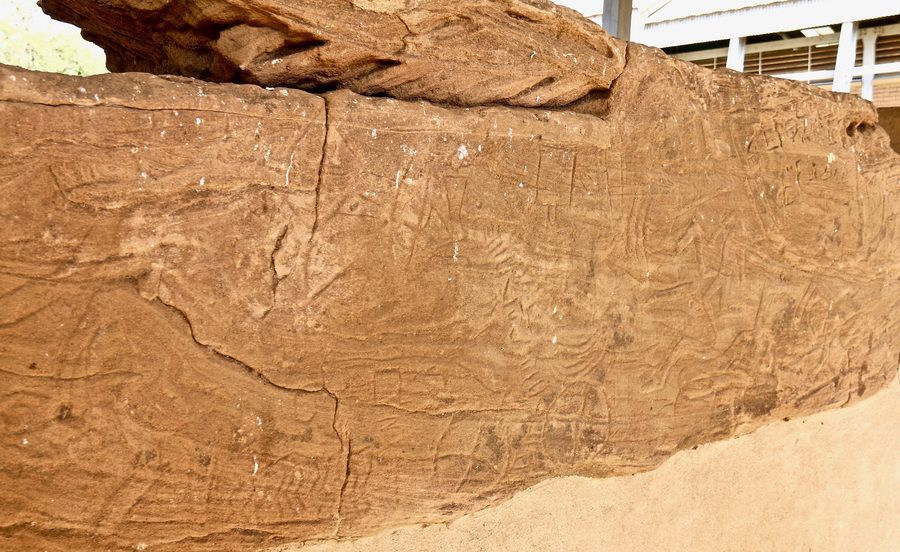 The Jebel Sheikh Suleiman relief at the National Museum of Sudan in Khartoum.
Photo: Sue Fleckney via Source, CC BY-SA 2.0
The Jebel Sheikh Suleiman relief at the National Museum of Sudan in Khartoum.
Photo: Sue Fleckney via Source, CC BY-SA 2.0
At a glance
- In Khartoum, the National Museum is located on Nile Avenue near the confluence of the White Nile and the Blue Nile.
- According to the museum description, the collection ranges from the Early Stone Age to the era of the Black Sultanate.
- On the grounds of the National Museum stand rescued temples that were moved as part of the flooding caused by the Aswan High Dam.
- Meroe’s royal pyramids give the Nile Valley a distinctive archaeological character.
- Described routes through the west combine desert wilderness with oases, volcanic fields, rock art, and temples.
- The eastern desert is described as a landscape of hills and valleys with rock art and encounters with Beja communities.
- A Sudanese dance tradition combines whirling movements with rhythmic drumming.
Seeing Nile history
The National Museum offers a concrete starting point if you and your family want to combine history and city life first. Its location at the confluence of the two Nile streams makes the place easy to picture: landscape and history are not separate here, but meet in a city setting that is easy to imagine. The historical collections let visitors discover different eras side by side, while the rescued temples on the museum grounds create a particularly tangible access point to Sudan’s past.
Living culture is also part of the country’s image. The described Sudanese whirling dances with rhythmic drum accompaniment set a different tone from museums and ruins. They do not promise fixed performances or dates; as a cultural motif, however, the music adds a lively, communal tradition to Sudan’s monumental side.
Choosing between pyramids and desert landscapes
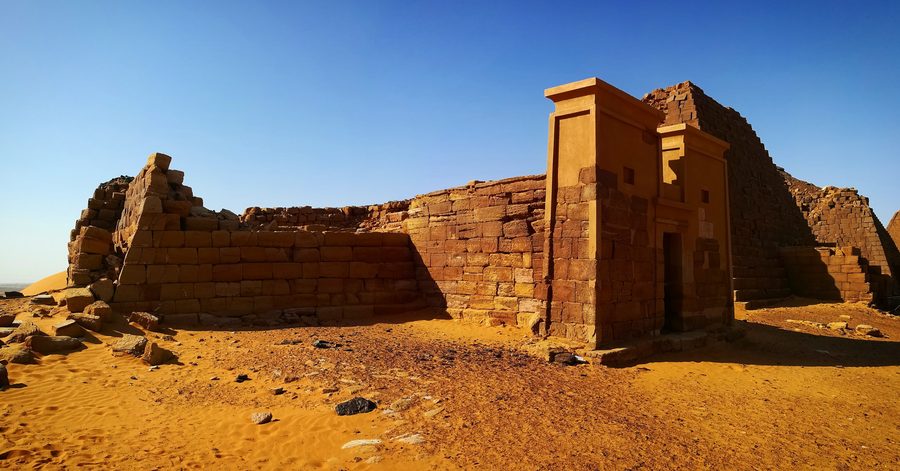
If archaeological discoveries are at the center for you and your family, the mental path leads into the Nile Valley: Meroe’s royal pyramids stand for a journey in which buildings, history, and the river valley landscape belong together. If, on the other hand, you are looking for open spaces and changing natural scenery, you can view the described western desert landscapes with oases, volcanic fields, rock art, and temples as a travel picture of their own.
The east adds a cautiously different emphasis. Hills and valleys, rock art, and the described encounter with Beja communities point to a cultural landscape shaped by more than monuments alone. This makes the basic choice clearer: do you want to get to know Sudan mainly through Nile history and archaeological sites, or through vast desert spaces and cultural landscapes? For families with different interests, this question can help weigh shared highlights without reducing the whole country to a single region.
Regional deep dive
This page provides the countrywide framework: Nile, museum, pyramids, desert, and cultural traditions show the different travel images that sit alongside one another in Sudan. For the next step, you can open the regional entry points Al-Bahr Al-Ahmar and Schamal Darfur. The full names “Holiday apartment in Al-Bahr Al-Ahmar” and “Holiday apartment in Schamal Darfur” mark the respective regional subpages; the nationwide orientation remains on this page.
Frequently asked questions about Sudan
What makes Sudan special in terms of landscape and culture?
Sudan combines the Nile landscape around the confluence of the White Nile and the Blue Nile with museum history, pyramids, western desert regions, and the hilly landscape of the eastern desert. This picture is complemented by lively dance and drumming traditions.
What kinds of trips can be distinguished in Sudan?
A trip can focus more strongly on Khartoum and museum visits, on archaeological landscapes in the Nile Valley, or on desert regions with oases, rock art, and temples. The east adds a cultural landscape accent with hills, valleys, and rock art.


