
Accommodations on St. Helena
Accommodation in Saint Helena
St. Helena is not an interchangeable island destination: in the South Atlantic, green, fern-rich uplands meet rugged volcanic cliffs, while history and local cuisine shape the stay just as much as nature and the sea. For families who want to combine shared discoveries with quieter days, this creates an unusually varied travel experience.
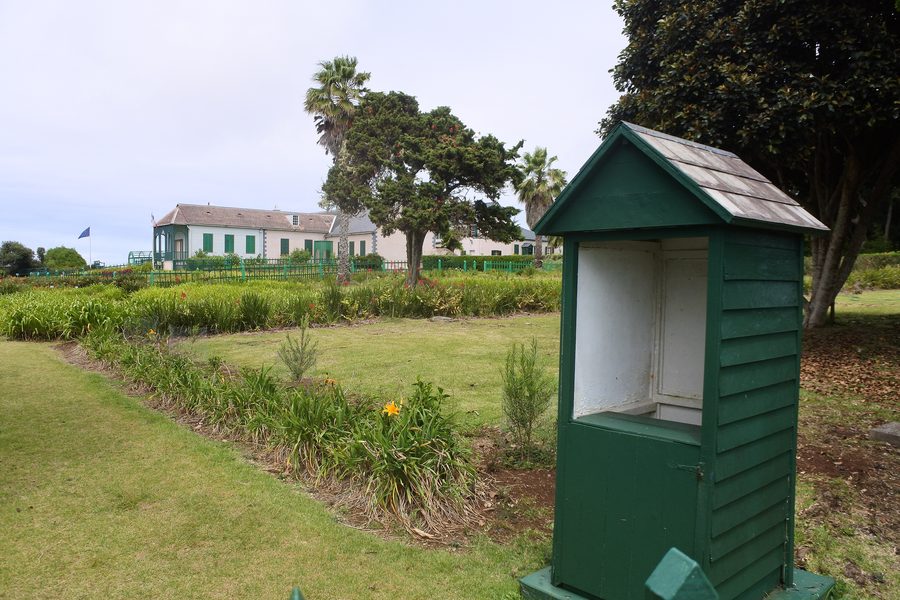 Longwood House erinnert an St. Helenas sichtbare Geschichte als Exilort.
Photo: Luke McKernan via Wikimedia Commons, CC BY-SA 2.0
Longwood House erinnert an St. Helenas sichtbare Geschichte als Exilort.
Photo: Luke McKernan via Wikimedia Commons, CC BY-SA 2.0
At a glance
- Green uplands and rugged coasts create clearly different island landscapes.
- A natural cloud forest and more than 500 endemic plant and animal species make wildlife observation especially rewarding.
- The subtropical waters invite snorkeling, diving, swimming, and boat trips, among other activities.
- Atlantic and exile history can be traced across the island at historical sites.
- Plo, fish cakes, curry, and fried fish are among the island kitchen's traditional dishes.
- St. Helena coffee is made from a green-tipped Bourbon Arabica variety that arrived on the island from Yemen in the 18th century.
- Jamestown is the capital and the main town of St. Helena.
Uplands, coast, and sea: an island with many faces
The island's interior feels lush and green, with fern-rich uplands and the natural cloud forest. On the coast, St. Helena shows a much rougher side: volcanic cliffs and the open ocean give the landscape a dramatic outline. This contrast makes a stay varied without requiring the trip to constantly change focus. One day can be devoted to exploring the landscape and hiking, another to coastal views or time by the water.
The variety continues below the water's surface. In the subtropical waters, snorkeling, diving, swimming, boat trips, and marine-life watching are offered. For a family with different interests, this makes it possible to shape an active nature day differently from a quieter coastal day. You should check individually in advance which activities are actually available during your stay.
Experience nature, understand history
St. Helena offers more than beautiful scenery. The island was a stopover on Atlantic routes and later a place of exile; historical connections are therefore present in many locations. Heritage sites and the history of everyday island life add another layer to a stay: the landscape is not only observed, but placed within the broader context of Atlantic history.
Longwood House is a representative example of this heritage layer. A historical visit can be combined with a walk through town or with a meal, which also appeals to travelers who prefer to discover places at a slower pace. Anyone seeking history, local atmosphere, and island life alongside nature experiences will find a distinct focus on St. Helena.
Island cuisine and coffee as part of the travel experience
St. Helena's cuisine reflects different cultural influences and the everyday life of a remote island. Plo, fish cakes, curry, and fried fish or eel are among the traditional dishes; rice and potatoes play an important role as staples. Not every dish is available everywhere and at all times, but the foods mentioned provide a concrete direction for culinary discoveries.
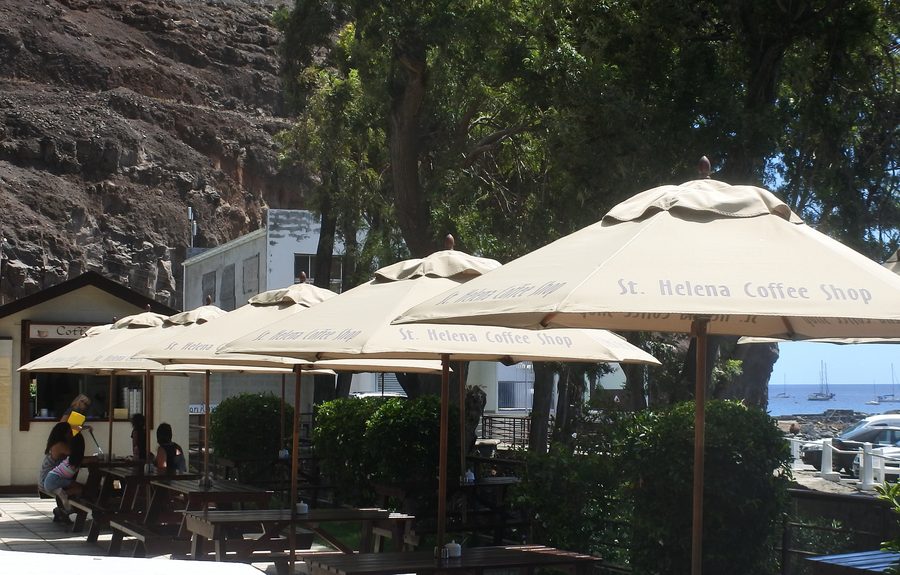
One special local thread leads to St. Helena coffee. It is produced from a green-tipped Bourbon Arabica variety that came to the island from Yemen in the 18th century. Plantation visits and freshly roasted coffee are described as visitor experiences; you should clarify the actual availability for your stay in advance.
Which base suits your island stay?
On St. Helena, the choice of accommodation should start with the kind of experience you want. If you want to include the capital and its historical town setting, you can take Jamestown as a starting point in your planning. Jamestown lies in a narrow valley between steep cliffs and is the island's main town. For a specific location choice, the next step leads to the vacation apartment in Jamestown.
If, on the other hand, green uplands, hiking, and landscape observation are the focus, the location of the accommodation should be considered in relation to the planned routes. For sea experiences, it similarly matters how you want to organize your days along the coast and on the water. There is no single best island base for these different priorities: what matters is whether town and history, nature, or the sea will make up the largest part of your stay.
Hotels and self-catering accommodations are listed as lodging types on St. Helena. Especially for a family, it can be useful to clarify before booking which option fits your daily routine. If you plan to use public transport, you should factor in the limited bus service and the current timetables into your day planning and carefully allow for return journeys.
Frequently asked questions about St. Helena
What makes St. Helena different from a classic island holiday?
St. Helena combines its remote location in the South Atlantic with strongly contrasting landscapes, species-rich nature, and visible Atlantic and exile history. Its appeal therefore lies not only in the sea, but in the shift between uplands, coast, heritage sites, and island life.
What kinds of experiences can shape a stay on St. Helena?
Depending on your focus, you can combine landscape exploration and hiking, cloud-forest wildlife observation, maritime activities, historical sites, and island dishes and coffee. In this way, active days can be followed by quieter cultural or culinary moments.
Which accommodation location suits a city-and-history stay or a nature-focused stay?
Jamestown represents the island's urban connection and historical focus. Anyone who mainly wants to experience the uplands, coast, or nature should choose the location according to the desired routes and day trips. When planning with public transport, it is advisable to check current timetables and return options before deciding on a location.

.jpg)
.jpg)