
Discover Paraguay
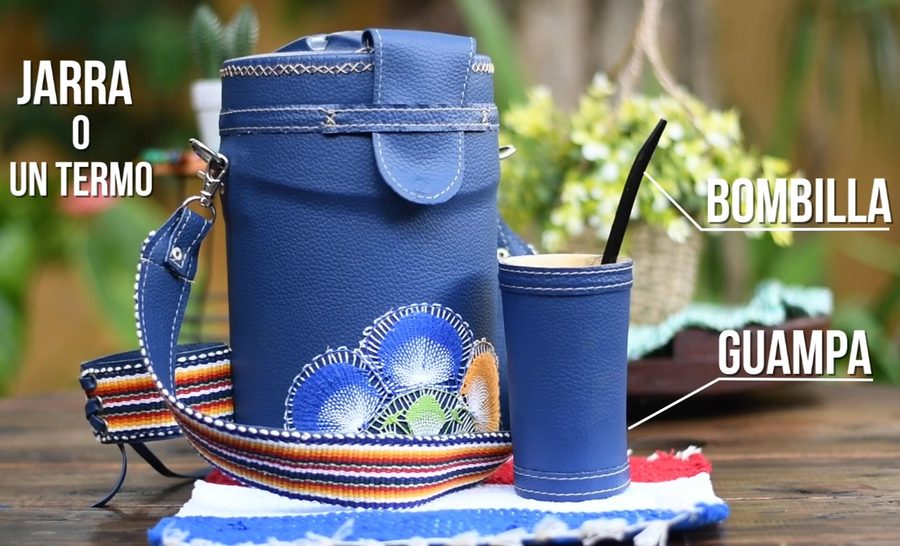 Tereré-Ausrüstung für das typische kalt getrunkene Mate-Getränk Paraguays.
Photo: Overkill53 via Wikimedia Commons, CC BY-SA 4.0
Tereré-Ausrüstung für das typische kalt getrunkene Mate-Getränk Paraguays.
Photo: Overkill53 via Wikimedia Commons, CC BY-SA 4.0
Paraguay offers very different travel experiences within a small area: historic city districts along the Paraguay River, the Jesuit missions in the south, forest and waterfalls in the central-southern part of the country, and the dry expanses of the Gran Chaco. For families, it is therefore worth deciding first on the desired mix of city, culture, nature, and quiet days — and only then choosing a place to stay.
In brief
- Asunción combines historic city districts with a location on the Paraguay River.
- The Jesuit missions of Trinidad and Jesús de Tavarangue bring history in the Departamento Itapúa to life in a tangible way.
- Chipa and Sopa Paraguaya introduce Paraguayan everyday cooking with cheese, manioc, and corn.
- Tereré is a cold mate drink and a shared ritual.
- The Paraguay River divides the country into the more densely populated east and the western Gran Chaco.
- Ybycuí National Park combines forest, waterfalls, and traces of a historic ironworks.
Between river city, missions, and wide-open landscapes
A stay in Asunción can provide a city-based beginning: historic districts and the proximity to the Paraguay River shape the capital’s character. In the south, Itapúa sets a very different tone. The Jesuit missions of Trinidad and Jesús de Tavarangue there represent Paraguay’s colonial-era Guaraní history. These are not interchangeable sights, but destinations that give a trip a clear cultural focus.
West of the Paraguay River, the Gran Chaco begins as a distinct landscape region. The area is expansive, dry, and much more sparsely populated than the east. Anyone choosing this kind of travel experience should treat it as a separate stage rather than simply as a short add-on to a city stay.
Combine active nature days and cultural discoveries
Paraguay can offer families varied days without needing to plan every day in the same way. In the south, historic sites take center stage, while Ybycuí National Park in the Departamento Paraguarí combines forest, waterfalls, and traces of a historic ironworks. In this way, quieter cultural days and active nature experiences can be deliberately placed side by side.
The cuisine also helps make the country concrete. Chipa is a Paraguayan cheese bread often eaten for breakfast or as a snack. Sopa Paraguaya sounds like soup, but it is a savory corn-based dish, more like a hearty corn bread. Tereré, meanwhile, brings a social side of everyday life to the table: the cold mate drink is shared communally. Such culinary discoveries work well as easy shared experiences between outings and quieter hours.
Which region fits your travel plan?
For a city-and-culture focus, the capital region and its surroundings are a natural starting point. Asunción stands for a stay in the capital on the Paraguay River. Central and Lambare are part of the central selection around this urban travel segment.
If the story of the missions is the common thread, the south with Itapúa is the right regional reference point. For forest-and-waterfall themes in central-southern Paraguay, the route instead leads into the context of Paraguari. The eastern and southern departments Alto Paraná, Cordillera, Departamento Misiones, and Guairá broaden the regional options.
For the western landscape context, Boquerón is the corresponding point of reference. The northern and inland options Amambay, Concepción, and Departamento De San Pedro can also be included in your regional planning.
Accommodation as part of stage planning
The right base in Paraguay is closely tied to the kind of trip you want. An accommodation near the city in the capital region is a better fit if Asunción and urban-cultural impressions are meant to be the starting point or main focus. For the missions of Trinidad and Jesús de Tavarangue, a separate southern stage makes more sense so that the cultural part does not appear only as a casual side trip.
Anyone putting Ybycuí and the nature of central-southern Paraguay at the center should consider a location with that focus rather than choosing accommodation solely around the capital itinerary. The Gran Chaco, in turn, calls for its own travel concept: its vastness and the clear shift in landscape compared with the east suggest planning the Chaco stage as a separate spatial unit. When looking at specific accommodation, check the exact location and the self-catering options that matter for your trip, especially if flexible meals and time to retreat are important in family life.
Frequently asked questions about Paraguay
Which different travel experiences can be combined in Paraguay?
Asunción stands for city life and the Paraguay River, Itapúa for the Jesuit missions, Ybycuí for forest and waterfalls, and the Gran Chaco for a vast, dry landscape. These contrasts make it possible to travel with cultural, nature-based, and quieter days.
Which dishes and drinks are representative of Paraguayan food culture?
Chipa is a cheese bread, Sopa Paraguaya is a savory corn dish, and Tereré is a cold mate drink with communal significance. Together they show different sides of everyday Paraguayan culture.
Why does the region influence the choice of accommodation in Paraguay?
The travel experiences are located in clearly different parts of the country. A city base supports a stay in the capital, a southern stage supports the mission history, a central-southern location suits nature days, and a separate Chaco base suits the wide landscape of that part of the country.

