
Accommodation in Samoa
Accommodation in Samoa
Samoa is more than a destination for relaxing days by the sea: this Polynesian island archipelago combines coastal landscapes, rainforest, local markets, and vibrant Samoan culture. For families, its special appeal lies in the contrast between different kinds of trips: on Upolu, Apia, cultural attractions, and a wide range of activities come together, while Savai'i allows for a quieter, more remote island stay.
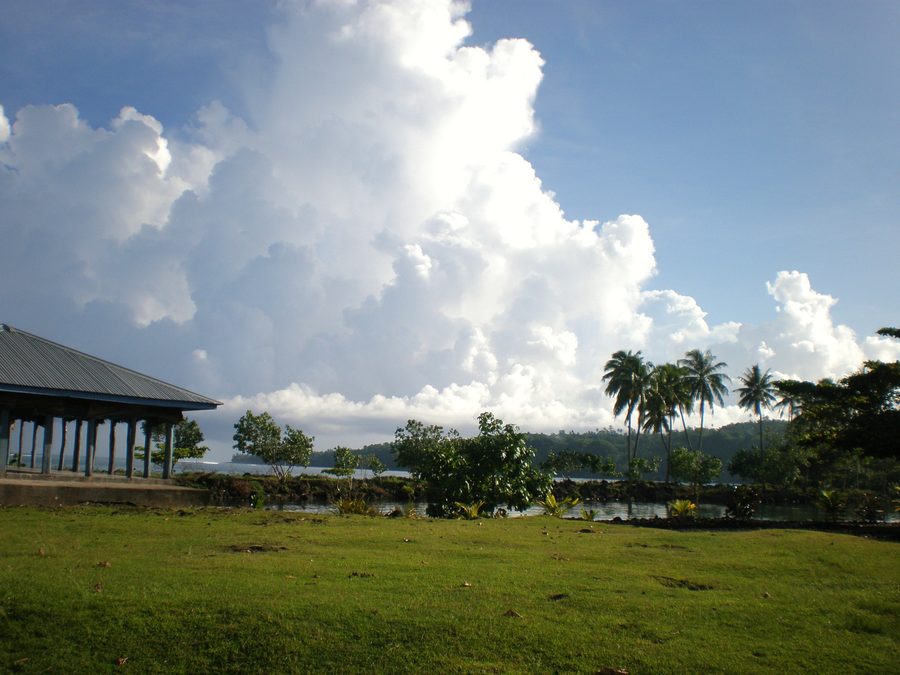 Küstenlandschaft bei einem Dorf auf Savai'i, Samoa.
Photo: Teinesavaii via Wikimedia Commons, CC BY-SA 4.0
Küstenlandschaft bei einem Dorf auf Savai'i, Samoa.
Photo: Teinesavaii via Wikimedia Commons, CC BY-SA 4.0
In short: Samoa at a glance
- Samoa is a Polynesian archipelago with ten islands; the inhabited ones are Upolu, Savai'i, Apolima, and Manono.
- Upolu and Savai'i are the two largest islands and the main reference points for travel planning.
- Upolu is the most populous island; Apia, Samoa's historic capital, is located here.
- Apia combines culture, cuisine, activities, and other offerings in a particularly concentrated way.
- On Savai'i, a more remote island stay can be planned.
- At the Samoa Culture Village, visitors can see tapa making, carving, and the preparation of an Umu.
- Fiafia refers to a celebration or gathering with traditional dance and buffet dining; markets with local products add to the travel experience.
Island nature and everyday experiences instead of interchangeable tropical scenery
Anyone discovering Samoa with children can shape the days in varied ways: coastal experiences are followed by rainforest adventures, turtle sightings, or a visit to a market with local products. More remote coastal settings and waves by the sea are also among the possible impressions. This creates a travel rhythm that combines active discovery, water, and quieter moments without every day feeling the same.
It is precisely the contrast between the islands that makes Samoa easy to grasp as a family destination. With Apia, Upolu offers a more concentrated starting point for culture and different activities. Savai'i, by contrast, appeals to travelers looking for a quieter island area and more distance from an urban-style stay. Both islands can also be combined in one trip.
Culture, Umu, and Fiafia: getting to know Samoa with all the senses
In Apia, the Samoa Culture Village presents traditional activities such as making tapa, carving cultural objects, and preparing an Umu. For families, this turns culture into more than an abstract topic; it becomes something you can understand through craftsmanship, shared meals, and observable processes.
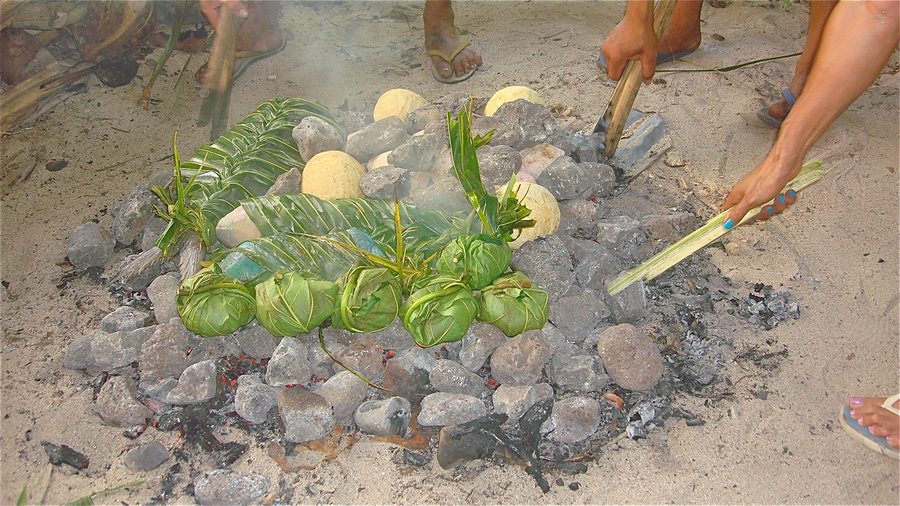
An Fiafia combines traditional dancing with buffet dining and stands for shared celebration. Markets with local products also bring everyday life and the tastes of the country into travel planning. Anyone who values such impressions especially highly is more likely to look for accommodation based near Apia and the cultural offerings on Upolu.
Upolu or Savai'i: which kind of trip suits you?
Upolu is the versatile choice for families who want to combine culture, cuisine, and different activities in one part of their journey. Apia is a practical reference point for the Samoa Culture Village. Accommodation on Upolu can also suit an itinerary with several different day programs.
Savai'i is one of Samoa's two largest islands and an option for anyone seeking a quieter, more remote island stay. Regular ferry connections between Upolu and Savai'i make the island combination a possible planning option; you should check the current timetable before you travel. Those who do not want to change locations frequently can choose one base with day trips. Alternatively, the stay can be divided into two or three parts such as Apia, the south coast of Upolu, and Savai'i.
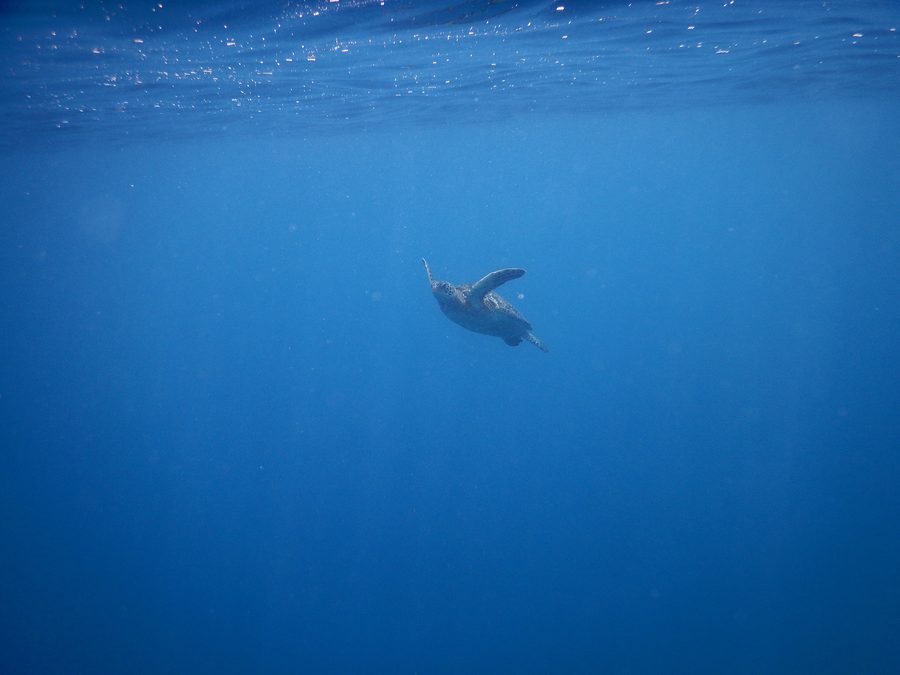
The official family route also names encounters with turtles as a possible Samoa experience. The image of the sea turtle off Savai'i therefore represents a nature sighting that can complement a coastal or rainforest day without guaranteeing a sighting.
Derive the accommodation base from the experiences you want
When choosing a location, start not with a type of accommodation but with the Samoa experience you want. If Apia, culture, cuisine, and a broader range of activities are the focus, a location on Upolu with a connection to the capital is a sensible planning option. For a quieter island section, Savai'i is worth considering. Anyone wanting to combine nature, coast, and culture on a longer trip can plan several accommodation stops.
The kind of days you want also matters: for a varied program, a location that suits the planned activities can make sense. For longer stays and shared family days, however, accommodation that leaves more room for flexible daily routines and self-catering can be attractive. You should always check with the provider which facilities are actually available.
Discover more areas in Samoa
For orientation on Upolu, you can find Apia as well as Upolu in the accommodation listings. The separate island area Savai'i adds the quieter island perspective to this comparison.
The wider Samoa offering also includes the regions A'ana, Aiga-I-Le-Tai, Atua, Fa'asaleleaga, Falelatai, Fausaga, Palauli, Saanapu-Uta, Salamumu, Tuamasaga, Tuamasaga in detail, and Vaisigano. That way, after deciding on the island, you can continue looking specifically for the right place to stay.
Frequently asked questions about Samoa
What makes Samoa different from a pure beach holiday?
Samoa combines island and coastal landscapes with rainforest, markets, traditional crafts, Umu preparation, dance, and shared meals. This makes it possible to combine nature and cultural experiences in one trip.
Should the trip include Upolu, Savai'i, or both islands?
Upolu suits a varied stay with Apia, culture, cuisine, and different activities. Savai'i is an option for a more remote island section. Those who want to experience both kinds of trip can divide their stay into several parts.
What cultural and culinary impressions can you get in Samoa?
At the Samoa Culture Village, you can learn about tapa making, carving, and the Umu. Fiafia combines traditional dance with buffet dining, while markets make local products and everyday life in Samoa tangible.


