
Discover Zambia
Accommodation in Zambia
Zambia is a destination for families and road trippers who want to experience nature from more than one angle: waterfalls and river landscapes along the Zambezi, species-rich national parks, the lake scenery on Lake Tanganyika, and the urban contrast of Lusaka open up very different travel impressions. Added to that is Nshima, a concrete culinary way into everyday life in the country.
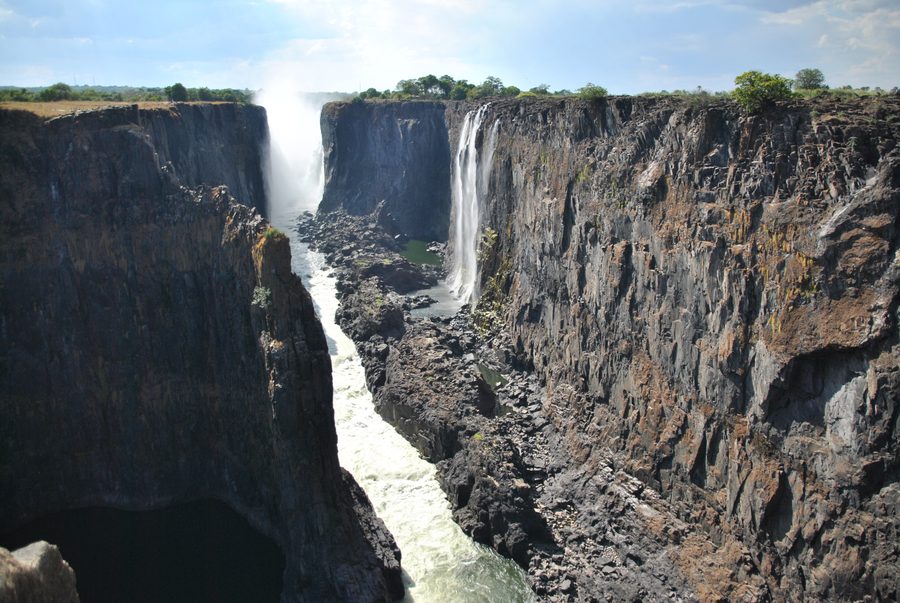 Der Sambesi stürzt an den Victoriafällen, auch Mosi-oa-Tunya genannt, in die Schlucht.
Photo: diego_cue via Wikimedia Commons, CC BY-SA 3.0
Der Sambesi stürzt an den Victoriafällen, auch Mosi-oa-Tunya genannt, in die Schlucht.
Photo: diego_cue via Wikimedia Commons, CC BY-SA 3.0
At a glance
- The Victoria Falls on the Zambezi are among Zambia’s best-known waterfalls.
- Waterfalls, valleys, and the Zambezi shape striking landscape impressions.
- National parks offer a distinct focus on wildlife observation.
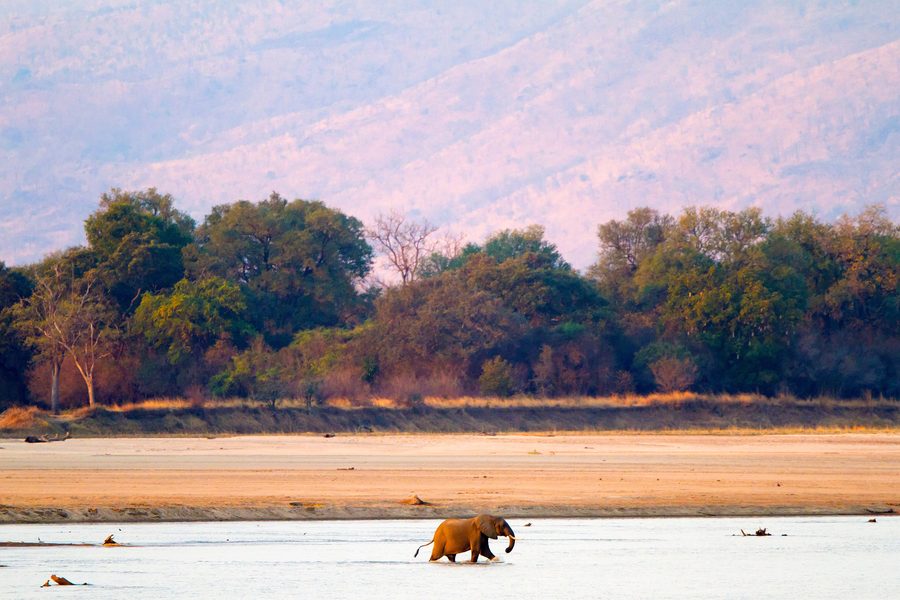
- South Luangwa National Park in the Luangwa Valley is described as a wildlife-rich area.
- On Lake Tanganyika, Nsumbu National Park brings together bays, granite cliffs, and sandy beaches.
- Nshima is a traditional maize meal porridge eaten with a variety of side dishes.
- Lusaka adds markets, restaurants, culture, and handicrafts to nature experiences.
Between waterfalls, wilderness, and lake shores
The Victoria Falls give Zambia a particularly memorable natural highlight. The Zambezi and the landscapes shaped by waterfalls and valleys show a different side of the country from the national parks: here the power of water takes center stage, while there it is about observing animals in expansive natural settings. In South Luangwa National Park, giraffes, buffalo, lions, hippos, and elephants are among the species described. Sightings remain natural experiences, however, and cannot be guaranteed.
Nsumbu National Park on Lake Tanganyika provides another contrast. Bays, granite cliffs, and sandy beaches make a nature trip there feel different from one on a large river or in a wildlife area. For your trip planning, this means deciding first whether water, wildlife observation, or a lakeshore landscape should be the strongest shared focus. Only then does it make sense to consider which in-depth accommodation information fits that direction.
Lusaka and cultural impressions
Lusaka adds an urban stage to the travel picture. Markets, restaurants, cultural venues, and handicrafts are described as part of city life. Lusaka National Park is also mentioned as a possible day trip destination. If you want to alternate between active days in nature and more easily planned city moments, Lusaka can therefore support a different kind of trip than a purely nature-focused stage.
Shared meals also make Zambia tangible. Nshima, a traditional maize meal porridge, is eaten with a variety of savory side dishes and offers an easy introduction to Zambian food culture. Music, dance, and craft traditions are also among the cultural impressions associated with the country. For families, this creates an opportunity to notice everyday life and the flavors of the destination more consciously, alongside waterfalls and wildlife observation.
Which regional direction suits your trip?
For an urban stage, Lusaka is the region associated with city life, markets, restaurants, culture, and handicrafts. The reference to Nsumbu National Park also shows that Northern Province can touch a northern lake landscape; however, this example does not stand for the entire region.
Other regions of Zambia include Southern Province, Western Province, and Eastern Province.
You can also explore Copperbelt, Luapula, Solwezi, and Central Province as further regions of the country.
Choose accommodation based on the trip style
A city stage with markets, restaurants, culture, and handicrafts calls for a different location decision than days at waterfalls, in a national park, or on a lakeshore. If several of these focal points are to be combined, it helps to think of the accommodation not in isolation, but as a base for the respective planned segment. Before booking, check the exact location and the amenities actually offered by the accommodation in question if flexible meals or short distances are important for your family.
Frequently asked questions about Zambia
What makes Zambia special between nature, culture, and city stays?
Zambia combines impressive waterfall and river landscapes, national parks for wildlife observation, the lake scenery of Nsumbu National Park, Lusaka’s city life, and the food culture around Nshima.
Which type of trip is better: city, nature trip, or several stages?
That depends on your preferred focus: Lusaka stands for markets, restaurants, culture, and handicrafts, while waterfalls, national parks, and Lake Tanganyika offer different nature experiences. Several stages can connect these contrasts.
Which culinary impressions are tangible in Zambia?
Nshima is a traditional maize meal porridge eaten with a variety of side dishes. It offers a concrete introduction to local food culture and complements nature and city experiences with a shared meal.


.jpg)