
Accommodation in Papua New Guinea
Accommodation in Papua New Guinea
Papua New Guinea stands out for its contrasts, which are hard to capture in a single travel image: steep highland valleys, dense rainforest, volcanoes, mangroves, and coral reefs all lie within a country of exceptional cultural diversity. For families who want to discover something new together, planning therefore starts not with an accommodation category, but with the question: should the trip focus more on mountains and culture, coastal landscapes and reefs, or a city-based starting point?
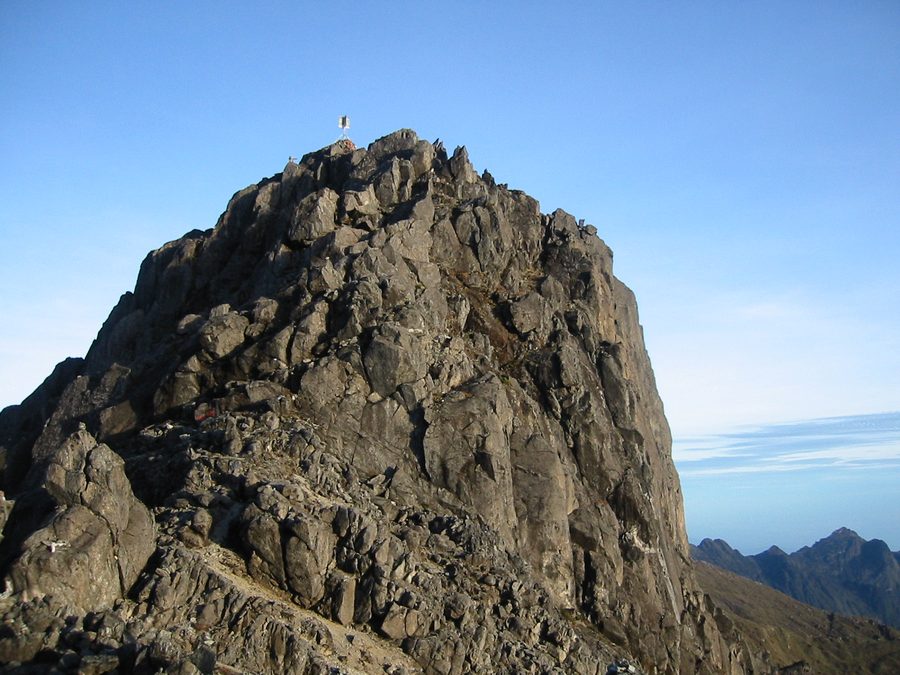 Mount Wilhelm ist mit 4.509 Metern der höchste Berg Papua-Neuguineas.
Photo: Nomadtales ( talk · contribs ) via Wikimedia Commons, CC BY-SA 2.1 au
Mount Wilhelm ist mit 4.509 Metern der höchste Berg Papua-Neuguineas.
Photo: Nomadtales ( talk · contribs ) via Wikimedia Commons, CC BY-SA 2.1 au
At a glance
- Mountains, rainforest, mangroves, volcanoes, and coral reefs open up very different nature experiences.
- Mount Wilhelm is the country’s highest mountain at 4,509 metres.
- A total of 839 languages and dialects are spoken in Papua New Guinea.
- The highlands and the coast represent clearly different travel profiles.
- Goroka combines highland scenery, coffee growing, and cultural connections.
- Mount Hagen is a representative example of rugged mountains and fertile valleys.
- Sago and mumu offer two concrete points of access to the local food culture.
Between highlands and reefs: two very different travel images
The extensive mountain range with its steep valleys shapes large parts of the country. Anyone interested in mountain landscapes, highland culture, and green valleys will find a different kind of travel experience here than on the coast. There, coral reefs and maritime landscapes come to the fore. Rainforest, river lowlands, mangroves, and volcanic landscapes add yet another layer to the contrast.
These differences matter more when choosing a base than trying to define a single all-purpose national route. A location near the highlands fits naturally with days focused on scenery and culture; a coastal or island-based starting point makes sense if reefs and coastal scenery are meant to shape the holiday. You should then check specific local details on the relevant destination pages.
Culture becomes tangible through places, languages, and meals
The figure of 839 languages and dialects makes clear how diverse local ways of life are. Traditional songs, dances, and sing-sing festivals are described as visible expressions of this cultural diversity. For a trip with children, this can be a particularly vivid way in: culture appears not only as history, but also as sound, movement, clothing, and shared observation.
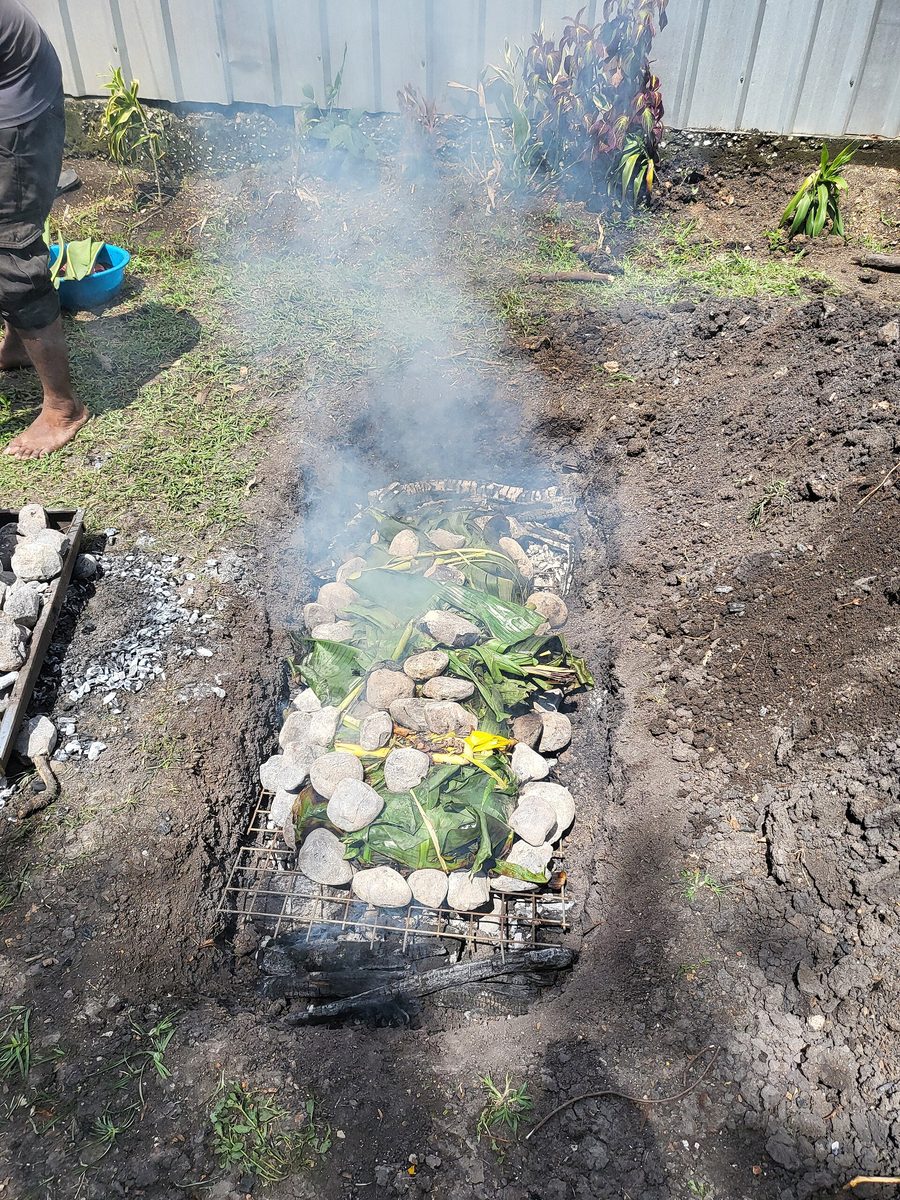
Food also creates a direct connection to the country. Sago is described as a versatile base for savoury and sweet dishes. Mumu refers to a traditional cooking method. Both are cautious culinary examples that can spark curiosity about local food culture without implying any specific offering in a particular place.
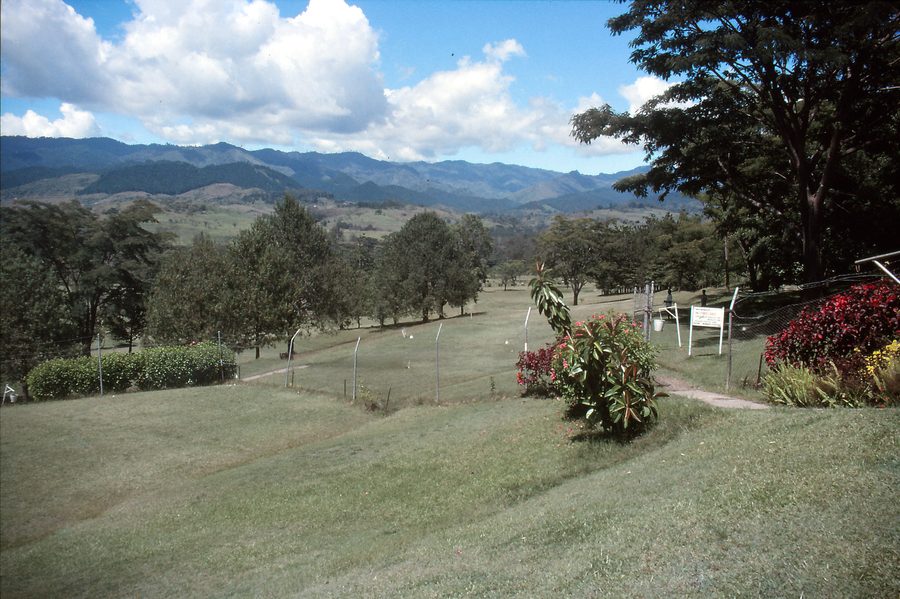
Highland examples: Goroka and Mount Hagen
Goroka is associated with green highland scenery, coffee plantations, villages, and a link to cultural events. This can make the place interesting for families who want to combine nature and local culture in a single travel component. The accommodation selection in Goroka can be seen as a starting point for a more detailed decision about the destination.
Mount Hagen also represents the highlands, but is described as a town between rugged mountains and fertile valleys. The place is linked to cultural events and therefore offers another concrete example of the connection between landscape and culture. If this blend fits your travel idea better, you can take a closer look at the accommodations in Mount Hagen.
City or landscape as a starting point?
Port Moresby brings an urban perspective into the nationwide selection. The National Museum & Art Gallery is described as a place for tribal masks, artefacts, and traditional handicrafts. Anyone who wants to explore cultural themes first in an urban setting can therefore place Port Moresby differently from a highland or coastal base.
For choosing accommodation, this leads to a simple destination-specific consideration: if the desired programme centres on mountains, cultural highland references, reefs, or museum and handicrafts, the location should match that exact travel image. Statements about facilities, availability, or specific routes belong in the individual review of each accommodation.
More places for your own selection
In addition to the examples described, you can also open the location pages for Hewiia, Kavieng, Kimbe, Kokopo, and Lae for further trip planning. Also available are Lorengau, Madang, Matukar, and Milne Bay Province.
Further location pages lead to Omili, Pakanakapiaka, Rabaul, and Tufi. This keeps the nationwide orientation open while you choose the place that matches your preferred focus.
Frequently asked questions about Papua New Guinea
What makes Papua New Guinea such a varied travel destination?
The combination of highlands, rainforest, rivers, mangroves, volcanic landscapes, and coral reefs creates very different natural settings. In addition, there is exceptional linguistic and cultural diversity.
Which travel profiles can be compared with one another?
You can focus on mountain and valley landscapes with cultural highland connections, put coastal and reef experiences at the centre, or choose an urban cultural reference with Port Moresby.
Which culinary features offer an easy introduction?
Sago as a versatile base and mumu as a traditional cooking method are two concrete examples that provide an accessible insight into local food culture.


.jpg)
