
Accommodations in Palau
Accommodation in Palau
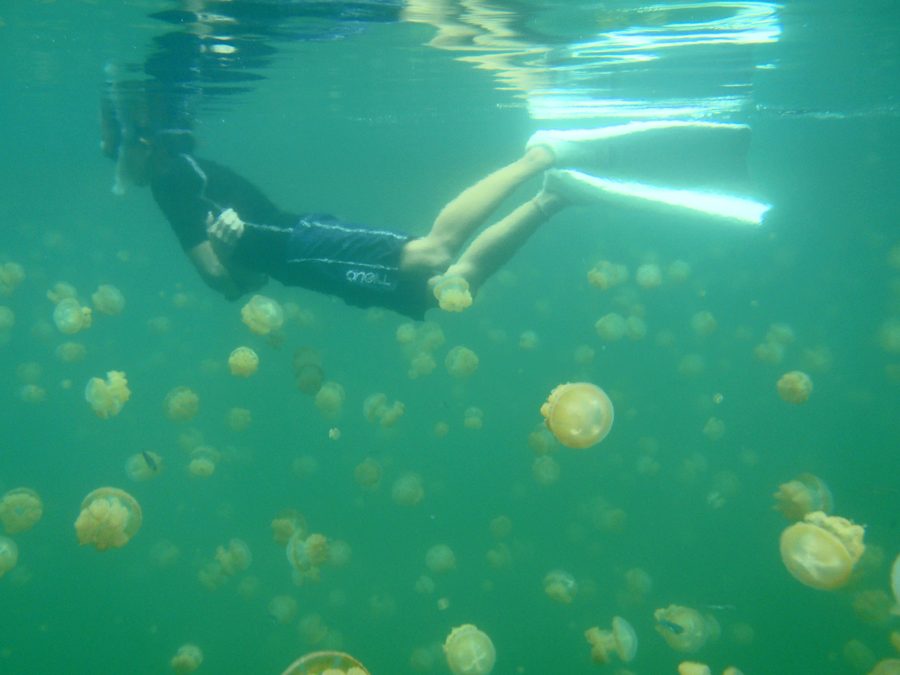
Palau is a destination for families who want to experience islands and lagoons as more than just a beach view. The large island of Babeldaob adds forests, rivers, waterfalls, and historic sites to the travel plan; around Koror, by contrast, there is a far-reaching network of small islands and lagoons. In addition, Jellyfish Lake on Eil Malk offers an unusual natural site where visitors can swim and observe the underwater world.
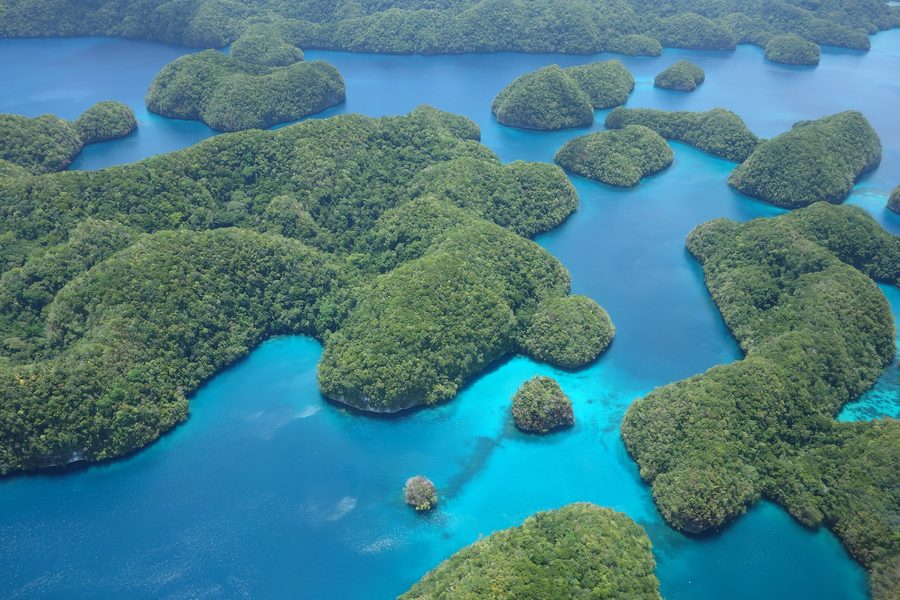 Die Rock Islands: ein Lagunenraum mit zahlreichen kleinen, weitgehend unbewohnten Inseln.
Photo: Luka Peternel via Wikimedia Commons, CC BY-SA 4.0
Die Rock Islands: ein Lagunenraum mit zahlreichen kleinen, weitgehend unbewohnten Inseln.
Photo: Luka Peternel via Wikimedia Commons, CC BY-SA 4.0
Quick facts
- Babeldaob is the largest island in Palau and combines dense forests with rivers, waterfalls, and historic sites.
- Koror includes, in addition to the island of the same name, numerous other islands and island groups.
- The Rock Islands lie in the lagoon between Koror and Peleliu and belong to the state of Koror.
- At Jellyfish Lake on Eil Malk, a special water-and-nature experience can be combined with jellyfish.
Two very different images of Palau
If you look at Palau as a family destination, you can first distinguish between two different travel experiences: on Babeldaob, the focus is on exploring the island by land. Forests, rivers, and waterfalls create a nature-based programme that is clearly different from pure island days. Historic sites add another dimension to this focus.
The area around Koror, by contrast, leads into an island and lagoon landscape. The Rock Islands consist of more than 400 largely uninhabited islands and lie between Koror and Peleliu. This geographic classification makes the difference easy to see: here, small islands and expanses of water shape the travel picture, while Babeldaob is characterised more by its large, continuous landmass.
Plan for special nature experiences
The Rock Islands give the trip a clear island-and-lagoon focus. Jellyfish Lake on Eil Malk adds an unusual highlight: when swimming and observing the underwater world, the main attraction is not a classic land-based sight, but a specific natural phenomenon. For joint travel planning, this makes it easy to mentally separate an active water-and-island day from land-based discovery days on Babeldaob.
Which base suits your travel style
In Palau, choosing accommodation should come after deciding on the experience profile you want. If the trip is meant to be shaped mainly by islands and lagoons, Koror is the geographically appropriate regional starting point: the Rock Islands belong to the state of Koror. That is helpful orientation for planning, but it says nothing about specific routes, transfers, or the facilities of individual accommodations.
If, on the other hand, you place more emphasis on forests, rivers, waterfalls, and historic sites, it is worth looking at Babeldaob’s land-based focus. Accommodation in Palau should therefore not be chosen solely by type, but by which of the two landscapes is meant to be at the centre of your days together. For a regional starting point, you can take a closer look at Koror; Ngaraard is also represented as a regional entry point in Palau.
Frequently asked questions about Palau
What makes Palau special as a travel destination?
Palau combines the land-based nature of Babeldaob with the island-and-lagoon environment of the Rock Islands. Jellyfish Lake adds an unusual aquatic nature experience to these landscapes.
Which travel experiences can be combined in Palau?
You can mentally set land-based discovery days with forests, rivers, waterfalls, and historic sites on Babeldaob alongside island-and-lagoon experiences in the Koror area.
Why can Koror be relevant as a regional starting point?
Koror includes numerous islands and island groups; the Rock Islands also belong to the state of Koror. For travel planning, Koror is therefore a particularly obvious geographical reference point when this island region is the main focus.


