
Discover New Zealand: Islands, Nature and Culture
Accommodation in New Zealand
New Zealand makes a major family travel decision feel tangible: should the trip be shaped by cities, Māori culture, geothermal areas, and northern beaches — or by the Southern Alps, glaciers, fjords, and lakes? The contrast between the North and South Islands is so clear that you can plan the desired pace of each day from the moment you choose your focus. Between active outdoor days, quieter moments of observation, and regional culinary experiences, a trip emerges that does not have to offer the same thing every day.
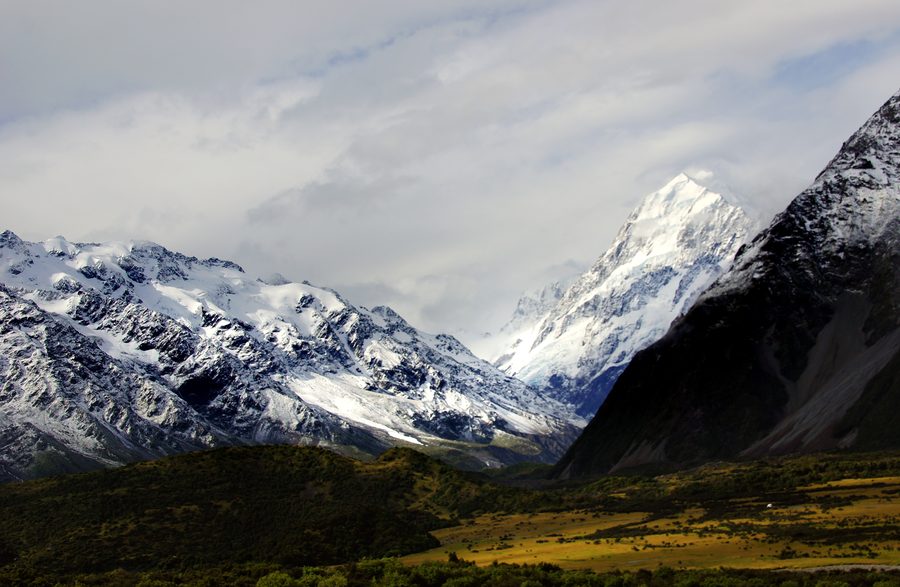 Aoraki/Mount Cook steht exemplarisch für die alpine Landschaft der Südinsel.
Photo: Bernard Spragg. NZ from Christchurch, New Zealand via Wikimedia Commons, CC0
Aoraki/Mount Cook steht exemplarisch für die alpine Landschaft der Südinsel.
Photo: Bernard Spragg. NZ from Christchurch, New Zealand via Wikimedia Commons, CC0
Quick and good
- The North Island combines Auckland and Wellington with northern beaches, volcanic and geothermal areas, and a strong Māori cultural presence.
- On the South Island, the Southern Alps shape landscapes with glaciers, fjords, and lakes.
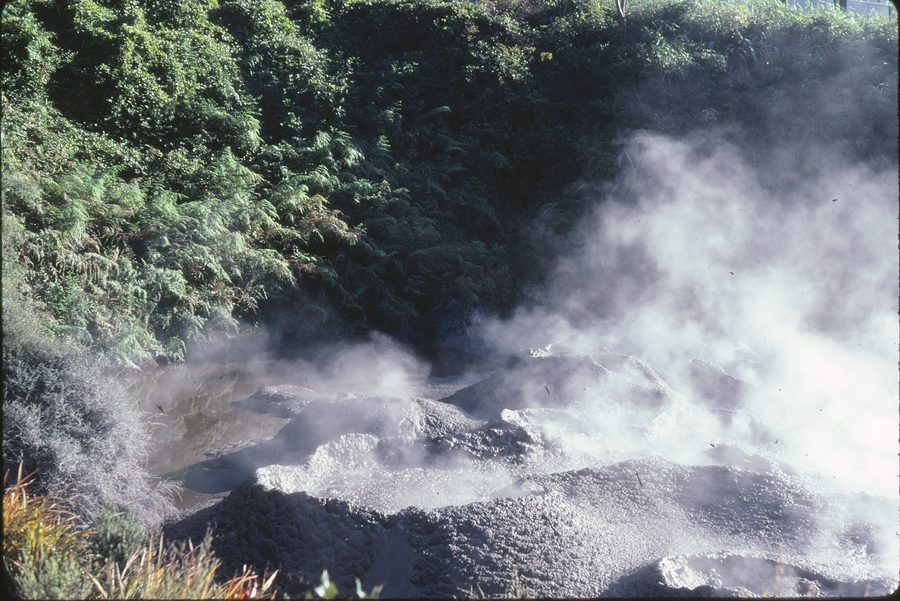
- Rotorua combines geysers and mud pools with Māori culture.
- Possible nature experiences include kayaking and hiking tours in Abel Tasman National Park.
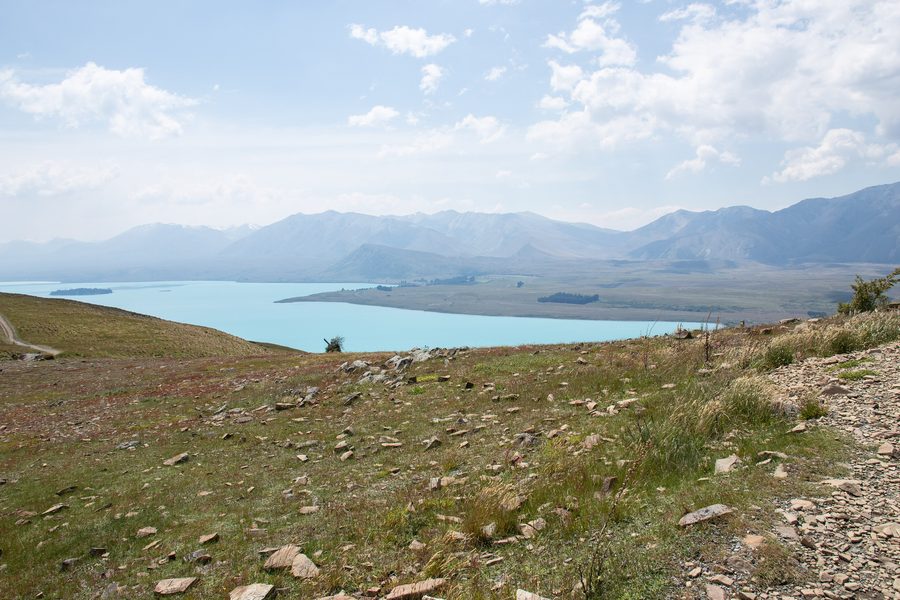
- At Lake Tekapo, stargazing can be combined with a peaceful lake-and-mountain experience.
- Marlborough and Hawke's Bay add a food-and-drink focus; Marlborough is especially known for Sauvignon Blanc.
North Island or South Island?
The North Island suits a trip that brings together urban impressions, culture, volcanism, and geothermal activity. Auckland and Wellington provide urban anchor points for the island experience. In the north, beaches are added, while the central North Island shows a very different character with volcanic and geothermal landscapes. Rotorua is a particularly vivid example: geysers and mud pools meet Māori culture here. For families with different interests, such a day can be a shared experience even if not everyone is looking for the same sporting activity.
The South Island especially appeals to those who want to experience grand alpine landscapes. The Southern Alps, glaciers, fjords, and lakes give the journey a stronger nature-oriented profile. Aoraki/Mount Cook and the Mackenzie Lakes are examples of these landscape images. The fjords near Milford and Doubtful Sound, as well as the glaciers of the West Coast, are also among the island's signature natural highlights. Here, a combination of viewpoints, short discoveries, and longer active days can be arranged differently than on the more urban and geothermal North Island.
Experiences for different family days
New Zealand is easy to plan around contrasts: an active day can be followed by a quieter one, and not every nature experience has to take the same form. In Abel Tasman National Park, kayaking and hiking tours are mentioned as possible building blocks. This appeals to families who want to combine water and movement, while others can shape the day with an easier hike or a break in a scenic setting.
Observation-based experiences also change the pace. At Lake Tekapo, stargazing stands for a quieter evening between lake and mountains. In Kaikōura, wildlife viewing is mentioned as another example. Such activities complement hikes and boat trips with moments in which looking and marveling together matters more than athletic pace.
Culture and geothermal activity add another layer to the trip. Rotorua combines visible forces of the earth with Māori culture, creating a clear contrast to alpine or coastal nature days. When it comes to food and drink, regional wines and landscapes are especially worth noting: Marlborough around Blenheim is identified as a wine region and home of Sauvignon Blanc, and Hawke's Bay is also a wine region. For families, such a culinary emphasis can form a more relaxed section between outings without reducing the trip to pure activity.
Round trip or longer stay?
Anyone wanting to experience the contrast between the islands in full will tend to think in regional stages: the North Island and the South Island stand for different landscape and experience zones. Such a trip brings more variety, but it also requires choices so that active days, culture, and relaxation do not follow too closely one after another.
A longer base in a chosen experience region, by contrast, creates a clearer focus. Several overnight stays allow more time to explore that region and create room for a changing family rhythm. The key question is whether the desired emphasis lies on city and culture, geothermal activity, coast, kayaking, alpine nature, or quieter observation experiences. Accommodation should follow that program; a centrally located property is not automatically the most sensible choice for a country with such varied landscape regions.
The next regional selection
For the North Island, you can first continue by choosing between different starting points: Auckland and Wellington stand for urban stays. Northland, Bay Of Plenty, Gisborne, Hawke's Bay, Napier City, Manawatu-Wanganui, Taranaki, and Waikato expand this regional selection.
On the South Island, the next steps of discovery lead to Canterbury, Marlborough, Nelson, Tasman, West Coast, Otago, and Southland. This lets you align your next destination choice with the island, the landscape, and the planned activity program.
Frequently asked questions about New Zealand
Which differences between the North Island and the South Island matter for trip planning?
The North Island combines cities, northern beaches, volcanic and geothermal areas, and Māori culture. The South Island is especially shaped by the Southern Alps, glaciers, fjords, and lakes. The choice therefore depends on the desired mix of culture, city, coast, and alpine nature.
Which different nature experiences can be combined?
Kayaking and hiking in Abel Tasman National Park, stargazing at Lake Tekapo, and wildlife viewing in Kaikōura show how active and quieter days can be combined.
What role do culture and culinary experiences play?
Rotorua combines geothermal activity with Māori culture. Marlborough and Hawke's Bay complement the nature experiences as wine regions; Marlborough is especially known for Sauvignon Blanc.
Is a fixed base or a round trip more sensible?
A round trip works well if you want to connect several clearly different landscape regions. A longer base in one experience region allows more time to explore it and can keep the daily rhythm more relaxed.

.jpg)

