
Accommodation in Australia
Accommodation in Australia
Australia cannot be reduced to a single travel image: in Melbourne, laneways, markets, art and a cuisine shaped by seasonal produce come together; at the Great Barrier Reef, the focus is on marine nature; and in Kakadu, striking landscapes meet living culture. Add to that the rugged Flinders Ranges and Margaret River with wine, coastline and outdoor experiences. It is precisely this contrast that makes choosing the right region so important if you want to combine nature, water, city life, good food and quieter days for your family.
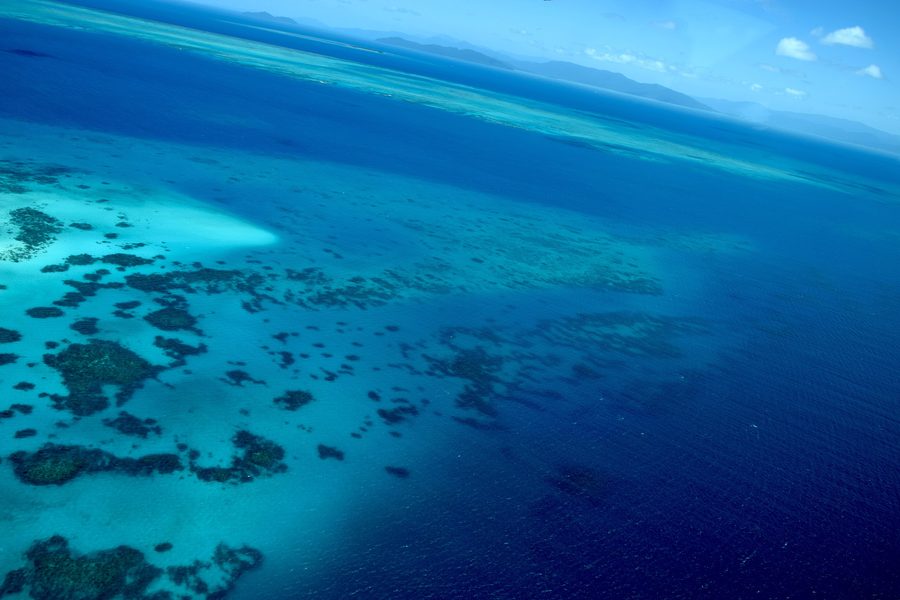 Das Great Barrier Reef in Queensland lässt sich über und unter Wasser erleben.
Photo: Ank Kumar via Wikimedia Commons, CC BY-SA 4.0
Das Great Barrier Reef in Queensland lässt sich über und unter Wasser erleben.
Photo: Ank Kumar via Wikimedia Commons, CC BY-SA 4.0
Australia at a glance
- City and cuisine: Melbourne brings together laneways, markets, art and a gastronomy shaped by local and seasonal produce - a versatile building block for shared days of discovery.
- Reef and water: The Great Barrier Reef in Queensland can be experienced above and below the water and puts a clear emphasis on marine nature.
- Nature and culture: Kakadu in the Northern Territory combines rugged escarpments, waterfalls and natural pools with insights into the culture of the Bininj/Mungguy.
- Rugged landscapes: Ikara-Flinders Ranges National Park in South Australia stands for peaks, rocky gorges, scenic drives and Wilpena Pound.
- Wine and coast: Margaret River in Western Australia combines a wine region, surfing, outdoor activities, quiet beaches and regional cuisine.
- Long distances: Cairns and Perth are located in very different travel regions; the flight connection between the two places is said to take five hours. That makes a trip through Australia across several regions a journey in stages rather than an outing from a single base.
Five travel images that bring Australia into focus
If you first define the kind of travel experience you want, it becomes easier to narrow down the large choice. For urban culture and food, one possible route leads to Victoria: Victoria can be experienced through Melbourne with its markets, laneways, art and gastronomy. That is a different experience from a trip where water and marine nature set the pace. Queensland stands for that with the Great Barrier Reef, which offers impressions above and below the water surface.
For nature experiences with a cultural dimension, the Northern Territory is a strong choice. In Kakadu National Park, rugged escarpments, waterfalls and natural pools alternate with the opportunity to learn about Bininj/Mungguy culture through the traditional owners of the land. A different landscape perspective is offered by South Australia in Ikara-Flinders Ranges National Park: rugged peaks, rocky gorges, scenic drives and Wilpena Pound make the contrast with reef and big-city life unmistakable.
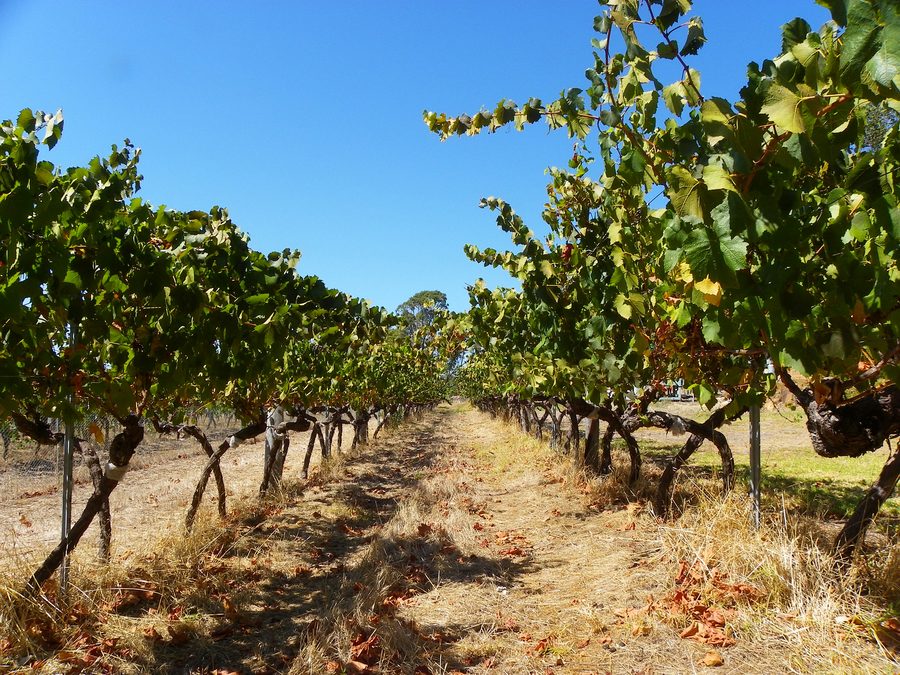
If coast, regional produce and a mix of more active and quieter days are important, Western Australia with Margaret River may be appealing. The region combines wine, surfing, outdoor adventure, quiet beaches and food. This creates a travel image that places nature experiences and indulgence side by side rather than focusing on just one theme.
Which region suits your travel idea?
Other travel ideas also lead to the Australian Capital Territory, New South Wales and Tasmania. This allows you to expand your choice beyond the travel images already described and explore more parts of Australia.
The remaining examples show clear differences: Victoria stands for city life, art and cuisine; Queensland for reef and water; the Northern Territory for nature and cultural learning; South Australia for rugged landscapes and hiking perspectives; and Western Australia for a wine region and the coast. What matters is which experiences should shape the family holiday.
Choose an accommodation base that fits your Australia route
For a single region, it can make sense to choose an accommodation base as close as possible to the experiences you actually want to plan: a city-oriented location supports the Melbourne element, while reef, national park or coastal experiences each call for their own regional planning. You should therefore check specific places and types of accommodation based on the excursions you want, the actual location and the current facilities.
If you want to combine Queensland and Western Australia, you should not plan both travel areas from a single base. The stated flight time between Cairns and Perth makes the geographical separation clear. Several regional stops may be more sensible for such a combination, while a more focused trip in just one region leaves more room for shared discoveries and quieter days.
Frequently asked questions about Australia
Which travel profiles can be distinguished particularly well in Australia?
The examples range from Melbourne with city life, art, markets and cuisine, to Queensland with reef and water, and Kakadu with nature and cultural learning. South Australia adds rugged Outback landscapes, while Western Australia offers a wine region and the coast.
What can make a culturally shaped nature experience in Australia special?
In Kakadu, landscapes such as escarpments, waterfalls and natural pools combine with the opportunity to learn about Bininj/Mungguy culture. In the Flinders Ranges, striking rock landscapes and cultural context from Aboriginal guides are added.
Why might a trip to Australia require several regional stops?
Australia combines experience areas that are far apart. Even the connection between Cairns and Perth is illustrated by a flight time of five hours. If you want to combine the reef and the west coast, a trip in several stages is therefore more obvious than looking for a single accommodation base.

_01.jpg)
