
Accommodation in Panama
Accommodation in Panama
Panama is a country for families who want to experience more than just one landscape on a trip: the Panama Canal connects the Pacific and the Caribbean, while cities, islands, coasts, natural areas, and the highlands around Boquete make very different holiday days possible. This allows you to combine cultural discoveries, nature observation, water experiences, and quieter moments without reducing Panama to a single region.
Panama at a glance
- The Panama Canal makes the country’s location between the Pacific and the Caribbean especially easy to grasp.
- The nature experiences described include sightings of whales, birds, and schools of fish.
- Sea turtles return to nest on Panamanian beaches.
- Indigenous, Afro-Caribbean, and Spanish influences shape the country’s cultural diversity.
- Boquete stands for rivers as well as nature and adventure experiences in the western highlands.
- Panama City has been a UNESCO Creative City of Gastronomy since 2017.
- Bocas del Toro offers a waterside island perspective with island-hopping by water taxi.
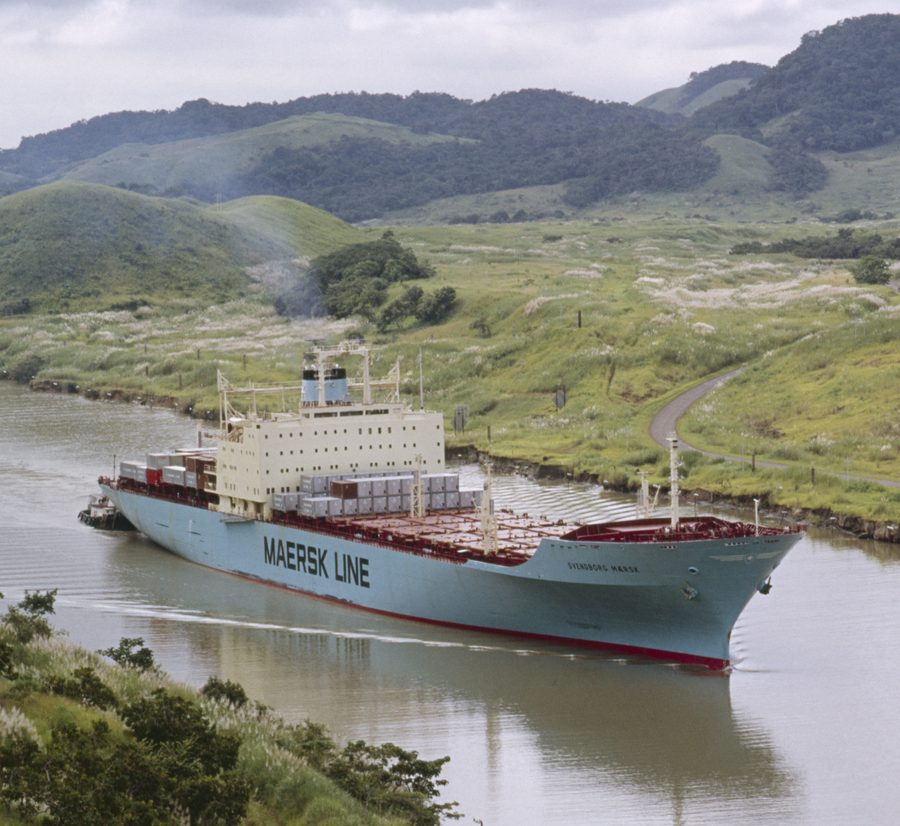
Between the canal, the city, and cultural influences
The canal is more than a technical structure: it makes Panama’s geographic special position immediately understandable and can provide a shared reason for discovery on a trip. In Panama City, historic places, skyline, and urban life come together. Anyone who plans culture and gastronomy as a fixed part of the trip will find a different rhythm here than at the coast or in the highlands. The city also points to the vibrant Indigenous, Afro-Caribbean, and Spanish influences that shape Panama’s culture.
For this focus, Panama is a suitable regional starting point. Juan Díaz, San Francisco, and San Miguelito also remain visible as further destinations in the urban area, without any additional characteristics being assigned to them here.
Nature observation between coast, islands, and highlands
Panama can just as well be experienced through its nature. Whales, birds, and schools of fish create opportunities for shared observation; on the beaches, the life cycle of sea turtles is among the country’s most impressive natural themes. Such experiences differ clearly from a purely urban stay and give a trip a calmer, more attentive counterpoint to more active days.
The island world of Bocas Del Toro is a particularly clearly defined travel idea: the official tourism site describes waterside accommodation and island changes by water taxi. If you are looking for this character, you should choose a location that genuinely supports the desired water-and-island setting. The Caribbean group is complemented by Colón, El Porvenir, and Kuna Yala. For Kuna Yala, Panama’s general Indigenous cultural context can be taken into account; you should check specific offers or programs in advance at the respective location.
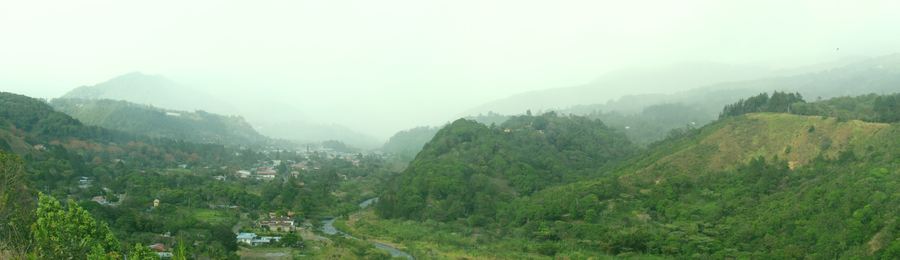
Highlands, the Pacific, and western travel ideas
In the western highlands, Boquete offers a clear contrast to island and city days. Boquete’s rivers are highlighted as a link between nature and adventure. Accommodation in this setting is therefore especially suitable for travel plans where river and nature experiences are the main focus. The regional selection Bajo Boquete leads directly to this location; Chiriquí adds to it as a western highland option. For Chiriquí, rustic cabins and holiday homes are also mentioned as types of accommodation, without this implying anything about every individual listing. David remains accessible as another destination in this western context.
If you want to focus on the Pacific coast rather than islands or highlands, you can look at Veraguas. For the Pacific coast of this region, eco-lodges and vacation rentals are mentioned. This makes it an independent coastal idea without ranking it above the Caribbean, the city, or the highlands. Further western destinations are Coclé and Los Santos.
Which base suits your travel plan?
The choice of location should follow the experience you want. A base closer to Panama City supports plans that include historic places, urban life, and culinary discovery. For island hopping in Bocas del Toro, the water connection is more important than a purely urban location. Around Boquete or Chiriquí, by contrast, proximity to nature and river experiences takes center stage. On the Pacific coast of Veraguas, you can shape the trip more strongly around this coastal setting.
For families with different interests, it can make sense to combine active nature days with lighter city or culture days on purpose. When your trip includes several components, check the exact location of the accommodation and what is available locally so that the chosen base matches the experiences you have planned. If self-catering or flexible day planning is important, pay attention to the currently described features of the individual property instead of assuming every accommodation in the region is the same.
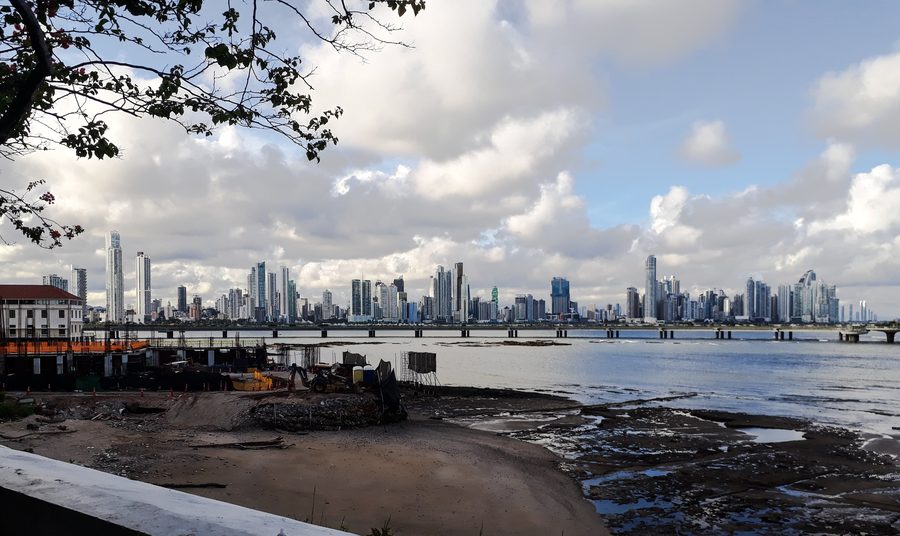
More destinations in Panama
Darién and Herrera are also part of the selection of direct destinations in Panama. Depending on your broader travel plan, you can consider these places as additional regional starting points and check the respective location and current offering separately.
Frequently asked questions about Panama
What makes Panama such a versatile travel destination?
Panama combines the canal and the city with Pacific and Caribbean coasts, islands, nature observation, highlands, and different cultural influences. This makes it possible to combine very different travel components.
What are the differences between a city, island, and highland base?
Panama City stands for historic and urban experiences as well as gastronomy. Bocas del Toro is shaped by waterside accommodation and island hopping by water taxi, while Boquete and Chiriquí support nature and river experiences in the highlands.
Why can Panama City also be interesting for people who enjoy culture and food?
The city combines historic places and urban life with Panama’s Indigenous, Afro-Caribbean, and Spanish influences. Since 2017, it has also held UNESCO recognition as a Creative City of Gastronomy.

.jpg)

