
Discover Martinique: Coasts, Nature, and Culture
Accommodation in Martinique
Martinique is more than a destination for relaxed beach days: in the north, volcanic and forest landscapes shape the island; in the east, protected coastal areas await; and Fort-de-France brings together markets and culture. Add to that Creole specialties and places steeped in history. For families, this creates a trip in which an active day in nature can be followed by a city visit, a coastal excursion, or a shared meal.
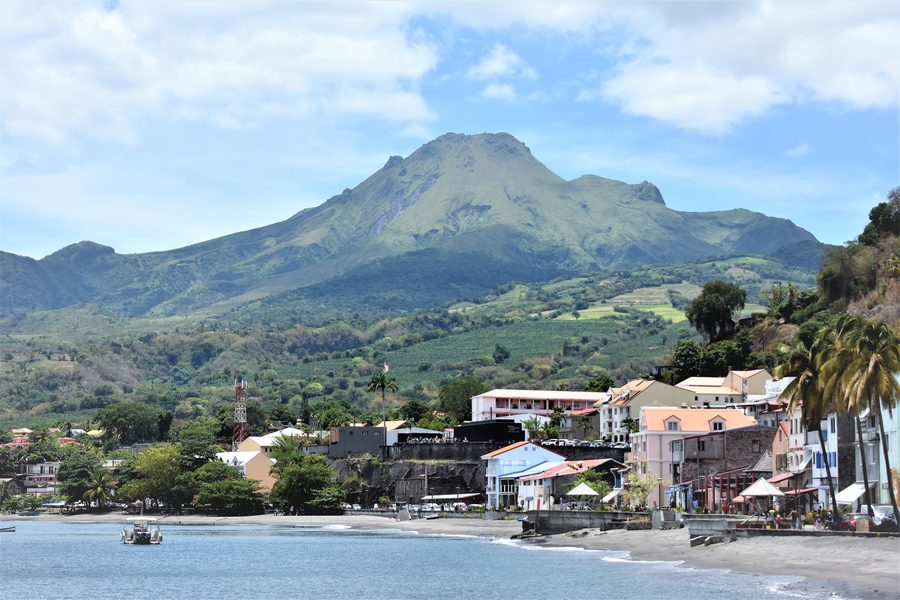 Saint-Pierre am Fuß der Montagne Pelée im Norden von Martinique.
Photo: Rehcral via Wikimedia Commons, CC BY-SA 4.0
Saint-Pierre am Fuß der Montagne Pelée im Norden von Martinique.
Photo: Rehcral via Wikimedia Commons, CC BY-SA 4.0
Briefly and well
- Since 2023, Montagne Pelée and the Pitons du Nord have been part of the UNESCO World Heritage.
- In the north you will find black-sand beaches, in the south golden-sand beaches.
- The La Caravelle peninsula combines mangroves, beaches, plantations, and viewpoints in a protected natural area.
- Saint-Pierre lies at the foot of Montagne Pelée and makes the island's history after the eruption of 1902 visible through preserved remains.
- Accras, Colombo, stuffed crab, and rum are among the well-known examples of Martinique's Creole cuisine.
- In Fort-de-France, market and city experiences meet cultural sites and the waterfront promenade.
- Markets, Biguine, Mazurka, and Zouk give the island its own cultural sound as well.
Volcano, history, and unusual coasts
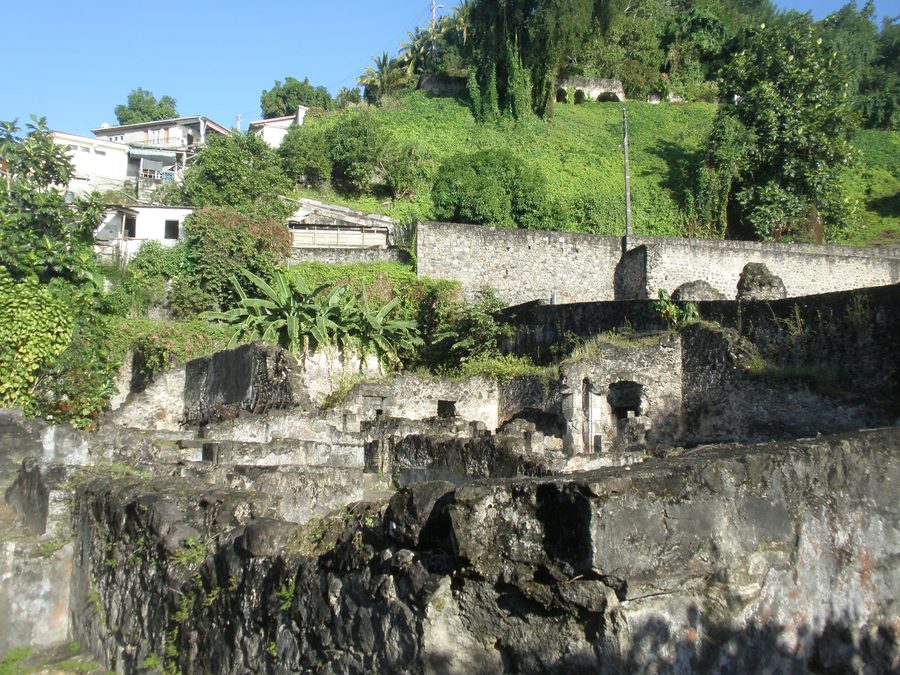
The north is the right place to start, in a conceptual sense, if your family wants to combine nature and history. At 1,397 meters, Montagne Pelée is the highest point on Martinique; together with the Pitons, it stands for the island's distinctive volcanic and forest landscape. In Saint-Pierre, this natural setting becomes historically tangible: at the foot of the volcano, the old prison and a former theater, among other remains, have been preserved as traces of the destruction of 1902.
Saint-Pierre as a base can therefore be especially interesting if volcanic scenery, historical traces, and a northern part of the island are among your main themes. The town is not just a name on the map, but a starting point for a day on which children can discover natural forces and history together. Suitable accommodation in Saint-Pierre can be found here.
La Caravelle: nature between mangroves and sea
In the east, Martinique shows a different face. The La Caravelle nature reserve near Tartane covers 378 hectares and combines mangroves, beaches, plantations, and viewpoints. The peninsula is diverse in terms of landscape, geology, and history. Anyone who enjoys being outdoors can plan a nature day here with changing impressions of the landscape, without focusing the trip solely on beach stays.
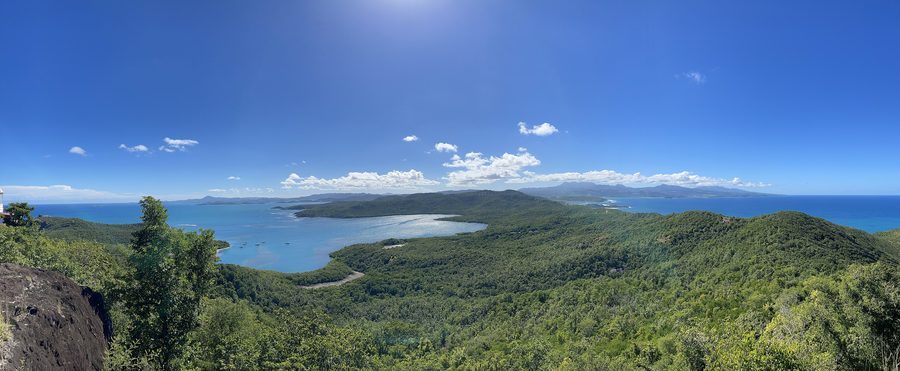
If La Caravelle is to be a fixed part of your stay, La Trinité can be considered a suitable place to orient yourself for this experience area. The connection with Tartane and the peninsula is deliberately limited to nature, the coast, and views: choose the location according to the activities you want.
Beach days, culture, and Creole flavor
The south sets a different tone from the north. There, golden-sand beaches are described; at Savane des Pétrifications, a four-kilometer coastal trail runs through an almost desert-like landscape. Such contrasts make Martinique appealing for families who want to alternate quiet days by the coast with unusual landscapes and small discoveries.
The island can also be explored together in culinary terms. Accras, Colombo, stuffed crab, and rum are among the best-known examples of Creole cuisine. Markets provide these flavors with a lively setting, while musical styles such as Biguine, Mazurka, and Zouk add to the island's cultural character. A described Creole cooking workshop for adults and children also shows how food can become a shared experience; this does not imply specific dates or permanent availability.
Fort-de-France suits travel planning in which city and cultural moments should not be missing. The Bibliothèque Schœlcher, Saint-Louis Cathedral, the market, and the waterfront promenade are named as destinations for a day in town. Discover Fort-de-France as a place to stay can therefore be considered especially as a base or starting point for a culture- and market-oriented stay.
Which base suits your travel plan?
The island is best considered by experience areas rather than by a supposedly best region. A northern or western orientation is more suitable for Montagne Pelée and Saint-Pierre. La Trinité is a good reference point if La Caravelle, with its mangroves, beaches, and viewpoints, shapes the nature part of your trip. Fort-de-France places markets, cultural sites, and urban atmosphere at the center. The south appeals to families who want to combine golden-sand beaches with the special landscape of Savane des Pétrifications.
If you are planning several of these focuses, a flexible trip with more than one base may make sense. That way, active days, quieter coastal moments, history, and culinary experiences can be combined without repeating the same type of vacation every day. When choosing accommodation, you should therefore first decide which experience areas should regularly take center stage. For another accommodation option on Martinique, you can also look at Le Marin.
Frequently asked questions about Martinique
What makes Martinique more varied in terms of landscape than a purely beach-focused holiday?
The island combines coasts with volcanic and forest landscapes, black-sand beaches in the north, golden-sand beaches in the south, and the protected natural area of La Caravelle. Added to this is the almost desert-like landscape of Savane des Pétrifications.
Which experiences on Martinique combine nature and history?
In the north, Montagne Pelée and the historical remains of Saint-Pierre can be linked mentally and geographically. In the east, La Caravelle adds to the nature component with its landscape and historical diversity; Savane des Esclaves also conveys aspects of 400 years of Martinique's history through reconstructed dwellings.
How do families choose a suitable place to stay on Martinique?
Base the location on the experiences that are meant to define the holiday: the north for volcanic scenery and Saint-Pierre, La Trinité for La Caravelle, Fort-de-France for markets and culture, or the south for golden-sand beaches and Savane des Pétrifications. If several parts of the island matter, a trip with more than one base may suit your plans better.
For more concrete inspiration on nature, culture, and coastal experiences, see the official ideas for experiences on Martinique.


_-_01.jpg)