
Discover Guadeloupe: Island areas and the right location for your accommodation
Accommodation in Guadeloupe
Guadeloupe is not a single, uniform beach destination: on Basse-Terre you can expect lush mountain landscapes, the volcano La Soufrière, waterfalls, and hot springs, while Grande-Terre has a very different character with bright beaches, coastal scenery, and sugarcane landscapes. In addition, there are lagoon landscapes, historic sites, and smaller islands. For families, this creates an important first decision: should the accommodation mainly support nature days, beach days, cultural discoveries, or a mix of several travel experiences?
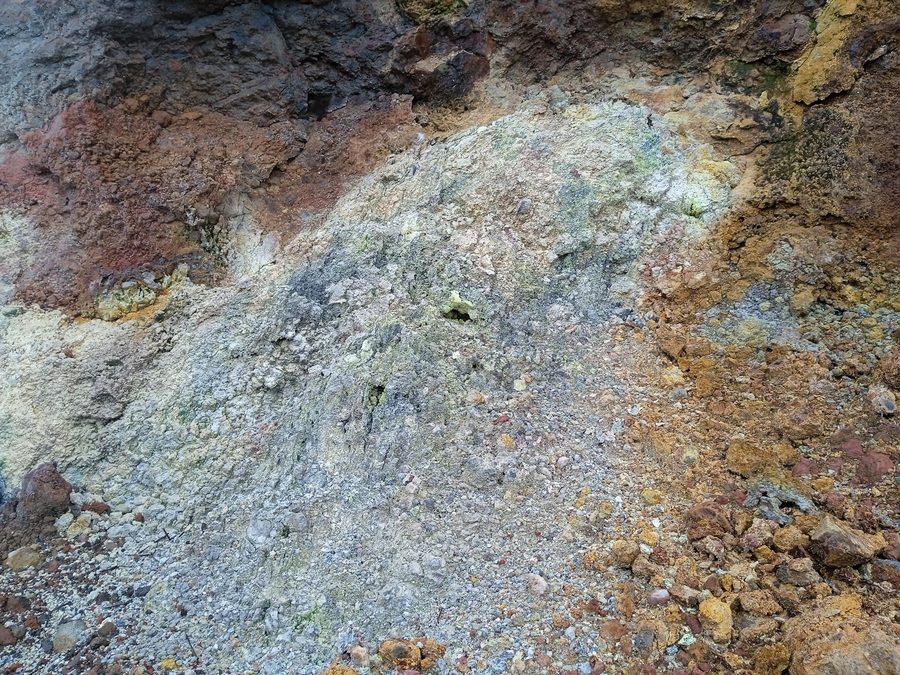 Fumarolen an der La Soufrière verdeutlichen den vulkanischen Charakter von Basse-Terre.
Photo: Enrevseluj via Wikimedia Commons, CC BY-SA 4.0
Fumarolen an der La Soufrière verdeutlichen den vulkanischen Charakter von Basse-Terre.
Photo: Enrevseluj via Wikimedia Commons, CC BY-SA 4.0
At a glance
- Guadeloupe consists of the two main islands Basse-Terre and Grande-Terre, as well as several smaller islands.
- Basse-Terre combines lush nature with La Soufrière, a national park, waterfalls, and hot springs.
- Grande-Terre is flatter and stands for bright beaches, coastal landscapes, mills, and sugarcane plantations.
- The Grand Cul-de-Sac Marin adds a sea lagoon, mangroves, and habitats for numerous bird species to the coast and uplands.
- Fort Louis Delgrès in Basse-Terre offers a concrete historical stop.
- Marie-Galante expands the trip with sugarcane plantations, beaches, and ruins of old windmills.
- African, European, and Caribbean influences shape the culture; music, dance, and carnival are among its visible forms of expression.
Two main islands, two very different travel ideas
The strongest contrast is between Basse-Terre and Grande-Terre. Basse-Terre is the obvious choice for families who want to combine active days together in green landscapes with nature observation. The volcano, waterfalls, hot springs, and national park give the stay a strongly nature-focused profile. Darker beaches are also part of this landscape.
Grande-Terre, by contrast, appeals more strongly to families who want bright beaches, coastal scenery, and a flatter landscape at the center of their stay. The sugarcane landscapes and old mills add a visibly agricultural and historical side to the island’s beach character. If you are bringing together different age groups and interests, you can use these profiles as guidance for active and more relaxed days without declaring one region to be the best choice across the board.
Experiencing nature, history, and island culture
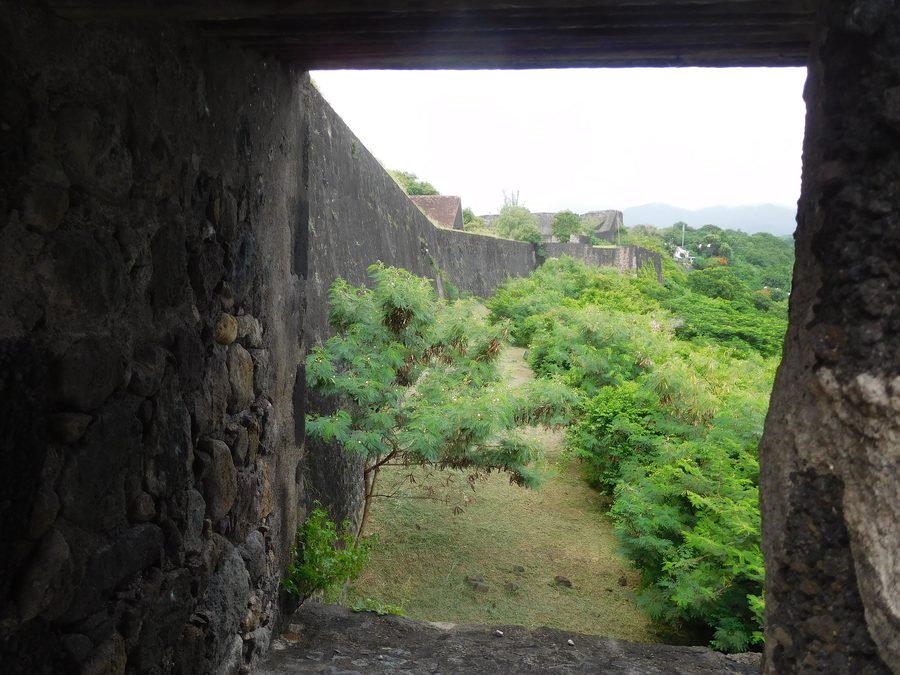
Guadeloupe can be discovered through more than just beaches or volcanoes. The Grand Cul-de-Sac Marin opens up a quieter nature perspective: lagoon and mangroves create a habitat for numerous bird species. This creates a different kind of day than at the coast or in the mountains—more observational and landscape-oriented. Anyone wanting to combine nature experiences with history will find a concrete historical anchor in Fort Louis Delgrès in Basse-Terre.
Cultural diversity is also part of the travel experience. African, European, and Caribbean influences meet in music, dance, and carnival. You should check current dates or programs locally. Pointe-à-Pitre adds an urban point of orientation to the nature and coastal scenery and is described as the economic center of Guadeloupe.
Which location supports your family holiday?
If La Soufrière, waterfalls, hot springs, and the national park are meant to shape the trip, then a location in the Basse-Terre area is the most suitable direction in terms of content. If bright beaches, the coast, and sugarcane landscapes are the focus, Grande-Terre offers the more fitting starting point. If you want to combine both, consider before booking whether a single focus or several island experiences will better suit the family rhythm.
For a more culture- and city-oriented travel plan, Pointe-à-Pitre can be an interesting point of orientation, while Fort Louis Delgrès establishes the historical link to Basse-Terre. Marie-Galante can be seen as a complementary island idea with sugarcane plantations, beaches, and old windmills. If you want to cook for yourself, choose the location primarily according to which landscapes and types of days you want to integrate into your stay without constant changes of place.
More places in Guadeloupe
For further place selection, you can also look at Collectivité De Saint-Martin, Marigot, Saint-Claude, and Sainte-Anne.
Frequently asked questions about Guadeloupe
What is the difference between Basse-Terre and Grande-Terre?
Basse-Terre stands for lush mountain and volcanic landscapes with waterfalls, hot springs, and a national park. Grande-Terre is flatter and characterized by bright beaches, coasts, mills, and sugarcane landscapes.
Which nature experiences complement the beaches?
On Basse-Terre, volcanoes, waterfalls, and hot springs combine to create a distinctive nature experience. The Grand Cul-de-Sac Marin adds lagoon, mangroves, and bird habitats to these impressions.
Which cultural impressions can be included?
Guadeloupe’s culture combines African, European, and Caribbean influences. Music, dance, and carnival are among the named forms of expression, as are historic sites such as Fort Louis Delgrès in Basse-Terre.


