
Accommodation in French Polynesia
Accommodation in French Polynesia
French Polynesia is not a single island, but a vast island world. For your accommodation choice, that means the best base depends less on one place that does everything and more on which island group fits your arrival, transfers, family rhythm, and planned downtime.
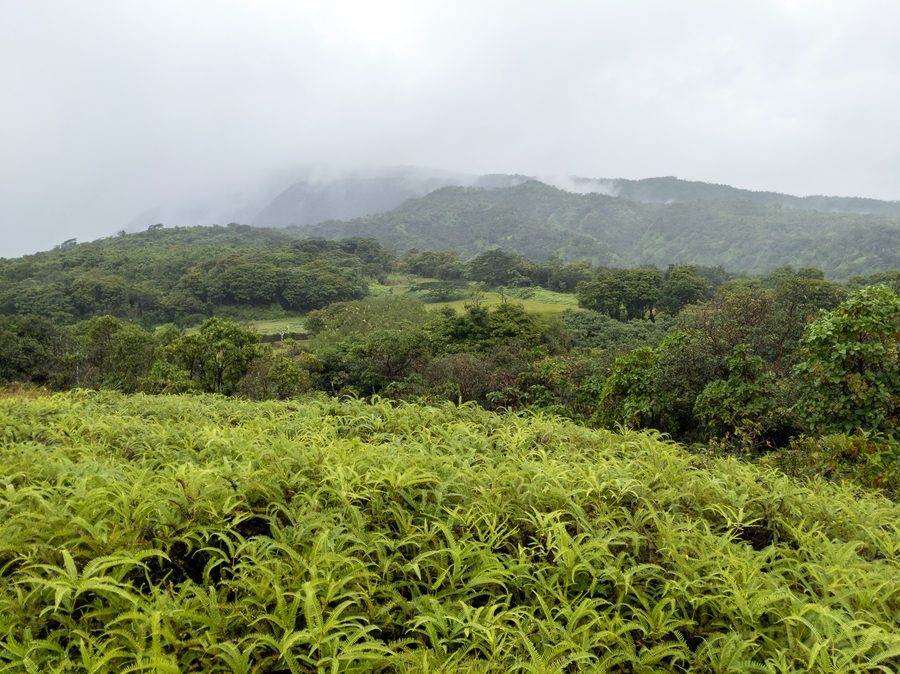 View from the Taravao plateau on Tahiti.
Photo: Matthew Dillon from Hollywood, CA, USA via Source, CC BY 2.0
View from the Taravao plateau on Tahiti.
Photo: Matthew Dillon from Hollywood, CA, USA via Source, CC BY 2.0
Quick facts about French Polynesia
- The island world includes several groups, among them the Society Islands, Tuamotu, Marquesas, Austral, and Gambier.
- Tahiti belongs to the Windward Islands; Papeete is also located there, and the Society Islands form the population and core area.
- Regional cuisine includes fresh seafood, Poisson Cru, and traditional meals such as ahima’a and Tama’ara’a.
- The cuisine combines French influences with Pacific ingredients such as fish, fruit, root vegetables, and Tahitian vanilla.
- Anyone planning to combine several islands should do so early and with a clear plan; the choice of base depends strongly on transfers.
Which island group suits your trip?
For a first overview, the Îles du Vent and the Windward Islands are the most obvious entry points. Tahiti and Papeete are located in the core area here; anyone traveling with children and looking for a central base for arrival, first orientation, and a clear start gets the most straightforward logic there.
If you want to compare the Tahiti core with another island group, the Îles Sous-le-Vent and the Leeward Islands are the second point of orientation on the country map. The main aim here is to read the island world as a group and classify the right location for your route.
For the more remote island groups, the The Tuamotu and Gambier Islands and the Tuamotus Islands provide the right navigation if you are thinking of a route with several stops. On a country page like this, they help you factor in the outer archipelagos together with the transfer effort.
Additional dedicated pages on the map are the Austral Islands and Tubuai. They round out the overview of the more remote island regions and keep the island world readable as a whole.
Cuisine, culture, and relaxed days
Regional cuisine combines French influences with Pacific ingredients such as fish, fruit, root vegetables, and Tahitian vanilla. This becomes tangible in fresh seafood, Poisson Cru, and traditional meals such as ahima’a and Tama’ara’a.
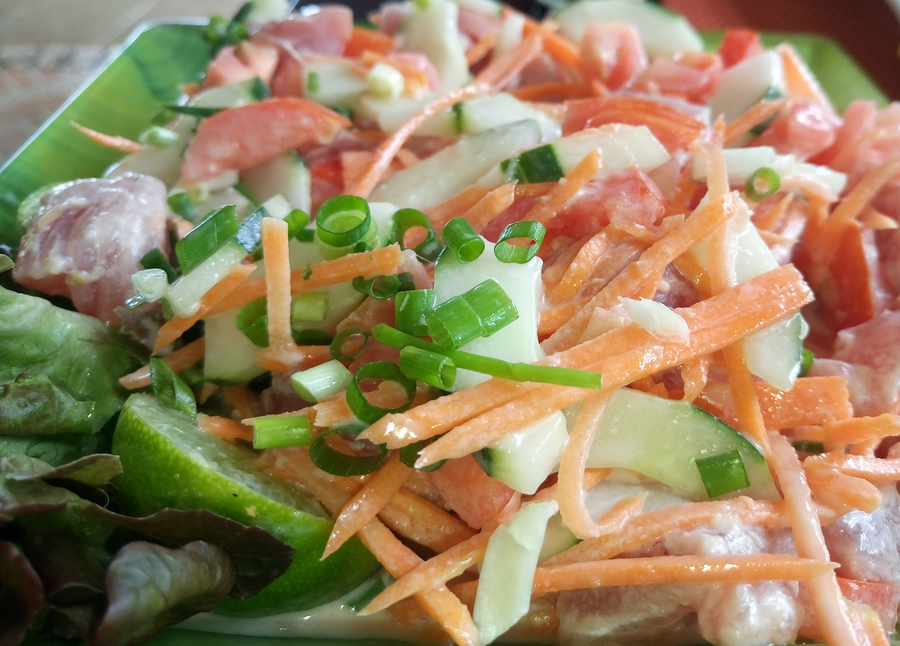
Added to that is the blend of French influences and Pacific ingredients such as fish, fruit, root vegetables, and Tahitian vanilla. For families, these mealtime moments are often the most pleasant counterpoints to beach days and transfers.
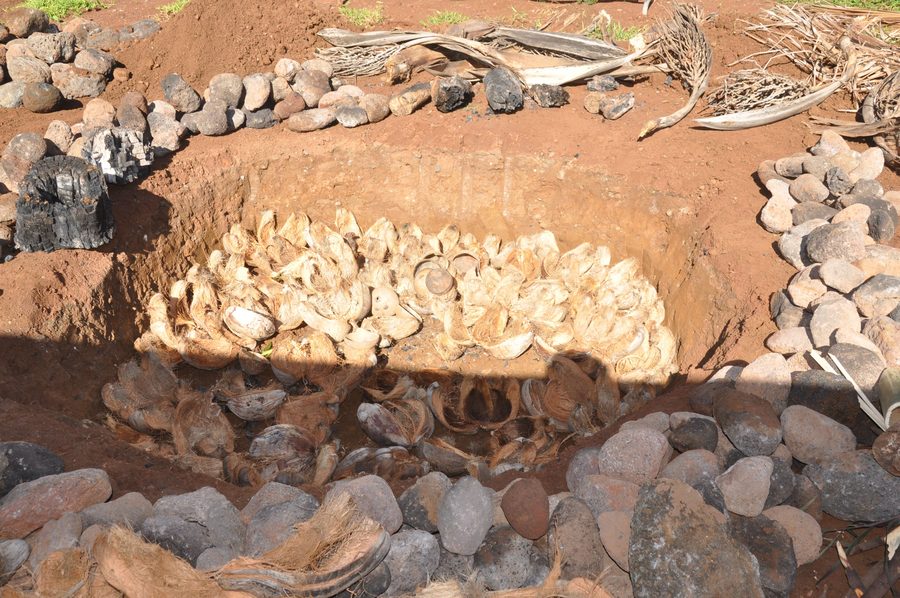
Anyone planning the trip as a mix of experiences and relaxation can easily build in such culinary breaks to the daily rhythm.
What this means for your accommodation base
A central base on Tahiti is often the most straightforward choice if you are traveling with children and do not want to repack every day. It reduces transfer effort and works well for arrival and departure days.
If you are combining several islands, accommodation planning should take transfers into account from the outset. Anyone planning island hopping is usually better off with a route thought through early and in an orderly way.
Being close to a sensible arrival or departure point can be very practical on transit days. This is especially convenient when you are moving between the core area around Tahiti and other island groups.
Frequently asked questions about French Polynesia
Which island groups matter most for getting started?
For a first overview, the Windward Islands with Tahiti and Papeete in the core area are the clearest starting point. From there, the island world is easiest to classify.
What characterizes the cuisine in French Polynesia?
Typical dishes include fresh seafood, Poisson Cru, and traditional meals such as ahima’a and Tama’ara’a. Added to that is the mix of French influences with Pacific ingredients such as fish, fruit, root vegetables, and Tahitian vanilla.
Why does island hopping require so much planning there?
Because several islands should be combined early and with a plan, and transfers noticeably shape the trip. That keeps the journey calm and easy to follow.
What does the choice of accommodation base affect?
Primarily transfer effort, the daily rhythm, and whether arrival and departure days remain relaxed. A central base makes the start easier, while several islands require more advance planning.

.jpg)

