
Discover Vatican City
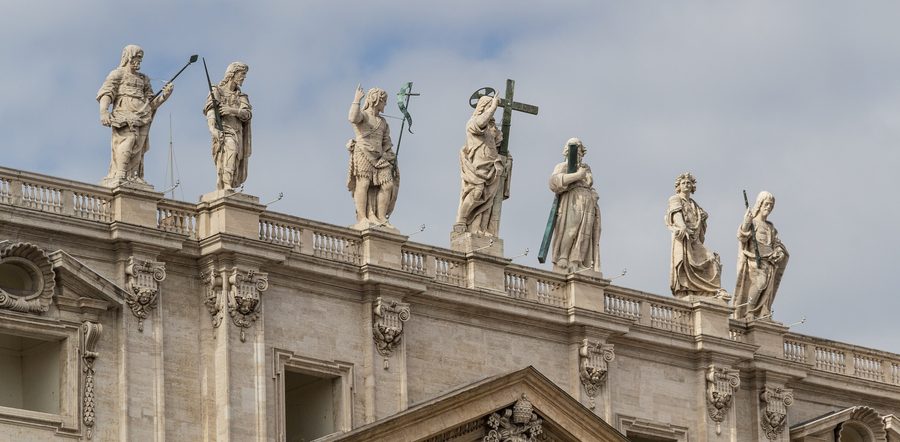 Die Fassade des Petersdoms mit ihren Figuren prägt das religiöse und architektonische Bild der Vatikanstadt.
Photo: Dietmar Rabich via Wikimedia Commons, CC BY-SA 4.0
Die Fassade des Petersdoms mit ihren Figuren prägt das religiöse und architektonische Bild der Vatikanstadt.
Photo: Dietmar Rabich via Wikimedia Commons, CC BY-SA 4.0
Vatican City concentrates, in a very small area, experiences that merit a dedicated travel focus: St. Peter’s Basilica as its monumental centerpiece, the art-historically rich Vatican Museums with the Sistine Chapel, and the expansive Vatican Gardens. At the same time, this independent state lies right in the middle of the urban fabric of Rome. For your stay, this means you discover the Vatican as a concentrated cultural destination and choose your accommodation primarily according to the right surroundings in neighboring Rome.
At a glance
- Vatican City is an independent state and at the same time closely embedded in Rome.
- St. Peter’s Basilica combines religious history with monumental Renaissance and Baroque architecture.
- The Vatican Museums open up multiple avenues into art history and papal collections.
- Ancient sculptures form an important historical starting point for the museum collections.
- The Sistine Chapel is part of the dense artistic experience of the museum complex.
- The Vatican Gardens occupy roughly two-thirds of the state’s area and create a green contrast to the basilica and museums.
St. Peter’s Basilica and the museums: two strong entry points
St. Peter’s Basilica makes the special connection between religious history and architecture immediately tangible. Its dome shapes the image of Vatican City and stands for the site’s importance in art history. For families with differing interests, the building can be a shared starting point: while some focus more on religious context, others discover forms, spatial impact, and architectural details.
The Vatican Museums add a large series of art collections to this monumental impression. Ancient sculptures, further papal collections, and the Sistine Chapel create different opportunities for conversation and discovery. A stay with a strong focus on art and history therefore benefits more from selection and breaks than from an itinerary packed as tightly as possible. Accommodation with a flexible daily rhythm may suit this, if you want to consciously allow time for rest between intensive sightseeing visits.
More than monuments: the Vatican Gardens
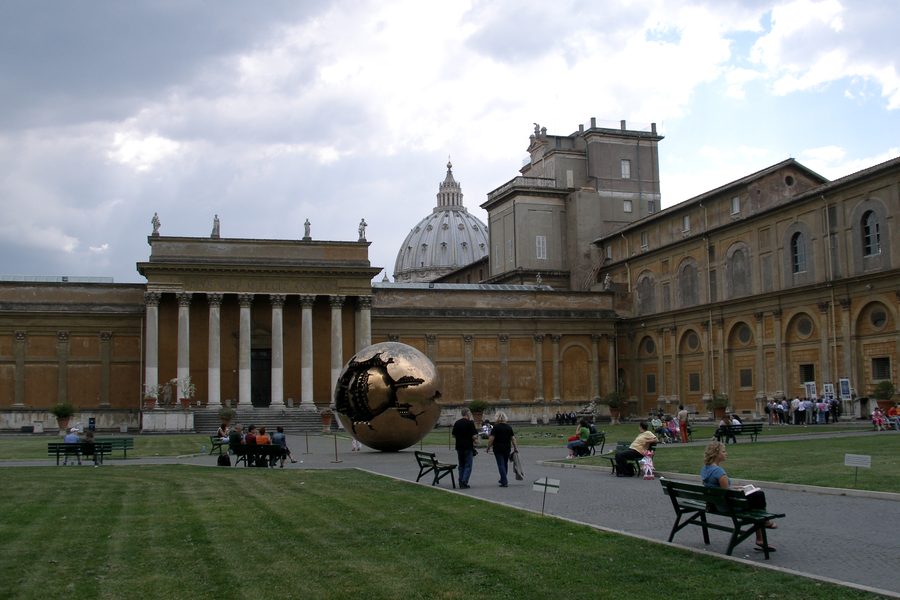
The Vatican Gardens provide a different emphasis from St. Peter’s Basilica and the museum spaces. The fact that they occupy roughly two-thirds of Vatican City’s area makes the green side of this microstate especially easy to grasp. In this way, the Vatican can be understood not only as a sequence of important interiors, but also as a place with grounds, paths, and a clear contrast between garden landscape and monumental architecture.
For a shared stay, this variety offers several possible focal points: an art- and history-oriented day leads to the collections, ancient sculptures, and the Sistine Chapel. Those who combine the visit with other Rome experiences can plan the Vatican as one especially dense building block and deliberately allow quieter stretches in between. Which option is the better fit depends on whether you are primarily seeking cultural depth or want to combine different interests within the family.
Borgo or Prati as a place to stay?
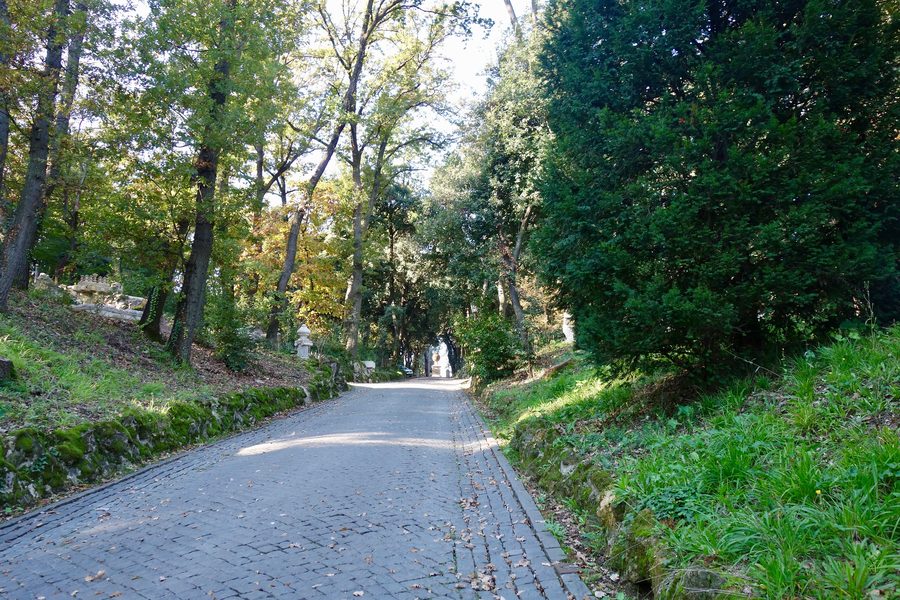
Because Vatican City is very small and embedded in Rome, the practical base for accommodation is usually in the surrounding Roman city area. Two different surroundings help with orientation: Borgo, around the Vatican, is characterized by narrow, winding streets. If you want to experience this historically shaped cityscape even between sightseeing visits, look for a location in this area.
Prati also borders Vatican City, but with many shops it presents a different character. This can be appealing for travelers who want to combine the Vatican’s cultural focus with a more commercially oriented Roman setting. Borgo and Prati are therefore not a hierarchy of quality, but two different spatial impressions for your stay.
When choosing an apartment or holiday flat, you can also consider whether a flexible daily routine with self-catered meals and breaks fits your travel plans. A hotel, by contrast, may suit a stay in which you mainly use the accommodation as a base and return point between cultural destinations. What matters most is the specific location of each offer. Check this before booking, especially if short distances and easy breaks are important for your travel group.
Frequently asked questions about Vatican City
Why is Vatican City more than just a single sightseeing destination in Rome?
It combines the independence of a state with St. Peter’s Basilica, the Vatican Museums, the Sistine Chapel, and the Vatican Gardens. This creates a concentrated cultural and architectural focus that is at the same time woven into the Roman cityscape.
What cultural perspectives does a visit offer?
St. Peter’s Basilica represents religious history and monumental architecture. The museums lead from ancient sculptures and further papal collections to the Sistine Chapel. This allows you to place more emphasis on architecture, art history, religion, or the connections between them.
Which area around Vatican City can be interesting for a stay?
Borgo offers a compact, historically shaped environment around the Vatican, while Prati presents a cityscape more strongly defined by shops. Your choice therefore depends on which Roman setting you prefer between sightseeing visits.

,_Petersdom_--_2013_--_3902.jpg)

.jpg)