
Accommodation in Norway
Accommodation in Norway
Norway is intriguing because narrow fjords, broad valleys, steep island mountains, fishing villages, and historic port cities combine here to create a wide range of travel impressions. For families, this is especially appealing: they can alternate shared days by the water and in nature with city and cultural experiences—or deliberately choose one type of landscape. Choosing the desired travel idea first, then the right region and base for accommodation, makes the country’s great variety easier to navigate.
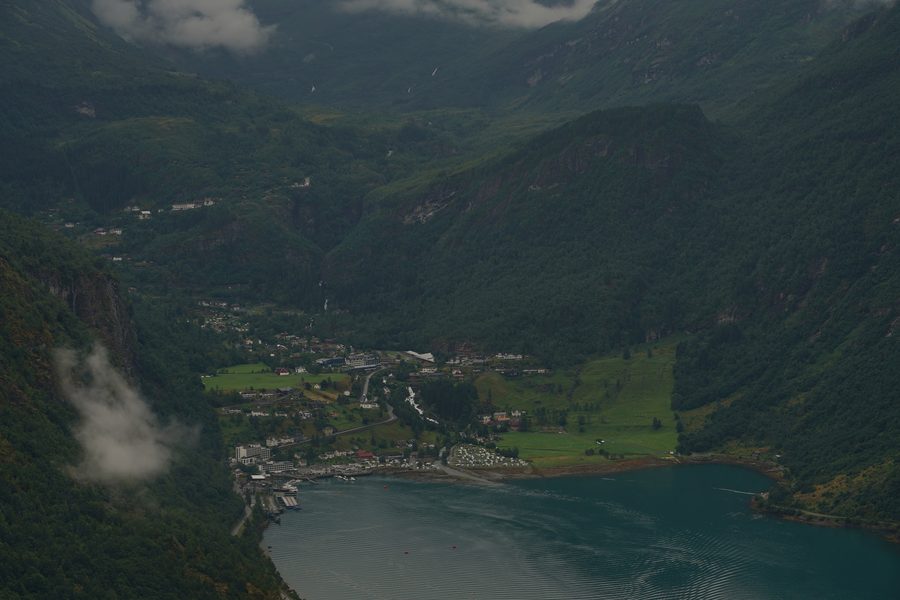 Der Geirangerfjord ist eines der konkreten Beispiele für Norwegens UNESCO-geschützte Fjordlandschaften.
Photo: Lukas Beck via Wikimedia Commons, CC BY 4.0
Der Geirangerfjord ist eines der konkreten Beispiele für Norwegens UNESCO-geschützte Fjordlandschaften.
Photo: Lukas Beck via Wikimedia Commons, CC BY 4.0
In brief
- The Ice Ages shaped Norway’s fjords and valleys: on the west coast, especially narrow fjords define the landscape, while in the east the valleys are often broader.
- The Sognefjord is Norway’s longest and deepest fjord.
- Geirangerfjord and Nærøyfjord are UNESCO World Heritage sites.
- On the Lofoten, steep mountains, beaches, and fishing villages meet.
- Bergen combines Hanseatic history, Bryggen, and a fish market by the harbor with a cityscape shaped by mountains.
- Summer and winter set different accents: long bright days and coastal landscapes stand in contrast to winter mountain and Northern Lights experiences.
Fjords, valleys, and island worlds
Norway’s landscape is not just one postcard view. On the west coast, fjords cut deep into the country; water, steep valley walls, and mountains shape the impression there. Geirangerfjord and Nærøyfjord show this connection especially vividly.
In the east, the valleys often feel wider and open the view to a different natural character. The choice between dramatic fjord coast and inland nature therefore also changes the rhythm of shared holiday days.
Island trip or port city?
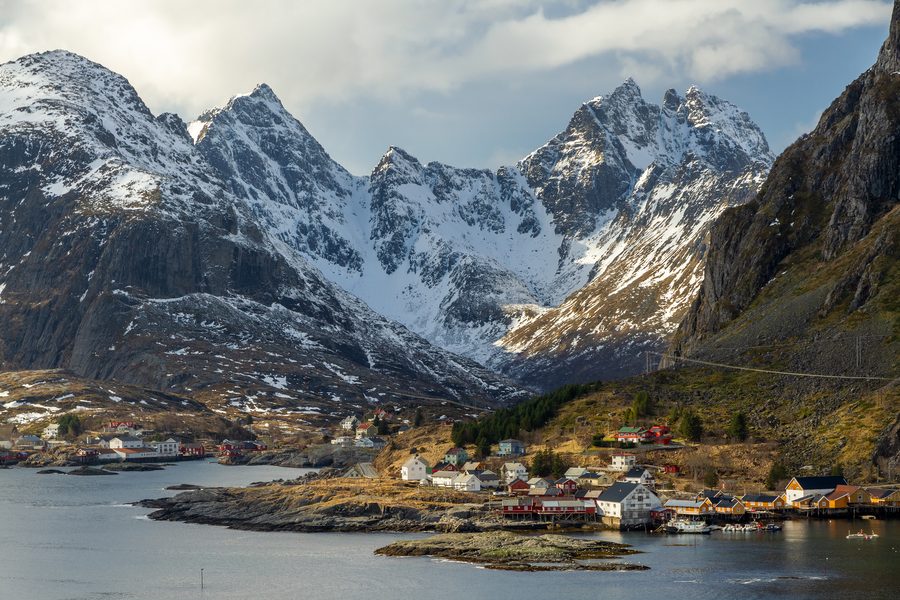
The Lofoten offer a particularly clear island landscape: steep mountains, beaches, and fishing villages lie close together. That is a concrete option for families who want to combine maritime scenery, photo opportunities, and days in nature. When choosing accommodation here, the key question is whether its location suits the landscape and day-trip goals that matter most to you.
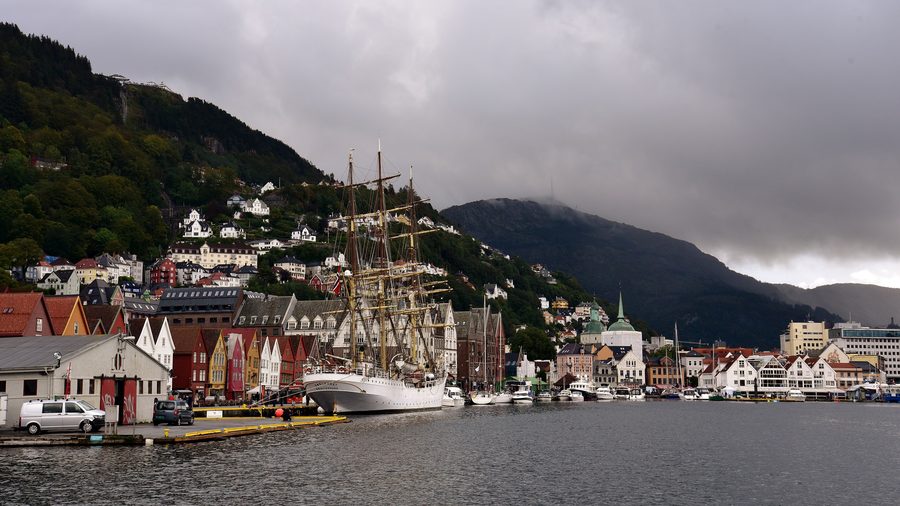
Bergen sets a different tone. The port city combines Hanseatic history, Bryggen, and the fish market by the harbor with a cityscape surrounded by mountains. Walks, history, and harbor atmosphere thus create a contrast to a purely nature-based stay.
The season changes the style of travel
In summer, fjords, waterfalls, coastal roads, and long bright days take center stage. In winter, the focus shifts to snow-covered mountain landscapes, the Northern Lights, and snow activities. For families with children of different ages, this contrast can influence planning: a trip with active days in nature needs different breaks and a different daily structure than a winter trip, where observation and short shared outings can be just as important.
When deciding on travel time, you should therefore also consider whether shared days should be shaped more by long landscape experiences, maritime impressions, or winter moments in nature.
Choose the accommodation as your starting point
In Norway, location shapes everyday holiday life more than the country name alone. If fjords, islands, or nature observation are the focus, the accommodation should fit the chosen landscape and the planned day-trip destinations. For several quiet days in one region, a fixed base can make sense; those who intentionally combine city, coast, and nature may want to consider several stops.
Also check whether the planned daily rhythm leaves enough room for breaks and whether the self-catering options suit your family’s habits. A city base supports short cultural moments and harbor atmosphere, while a more rural location can place greater emphasis on landscape and flexible days.
Choose regions by travel idea
For western fjord and mountain landscapes, you can look at Hordaland, More Og Romsdal, and Sogn Og Fjordane. An inland or eastern-oriented travel idea can be further narrowed with Akershus, Buskerud, Hedmark, Oppland, Østfold, Nord-Trondelag, and Sor-Trondelag.
For northern and maritime travel ideas, Finnmark, Nordland, and Troms are available. A southern coastal or landscape direction can be compared with Aust-Agder, Rogaland, Telemark, Vest-Agder, and Vestfold. For a distinctive city and culture component, Oslo is another option. The Lofoten add a pronounced island character with mountains, beaches, and fishing villages.


.jpg)