
Holiday apartment in Rilland
Accommodation in Rilland
Rilland is a village in the Dutch province of Zeeland and belongs to the municipality of Reimerswaal. For travel planning, the place is particularly interesting if you want to get to know a small settlement shaped by water history and first take a closer look at possible activities in the surrounding area.
Quick facts about Rilland
- Location: village in Reimerswaal, Zeeland
- History of the village: shaped by flooding and later polder development
- Connection to water: the historic harbor Rattekaai belongs to the traditional local context
- Orientation: Rilland-Bath is documented as a station on the Roosendaal–Vlissingen railway line; current connections must be checked
A village with polder and flood history
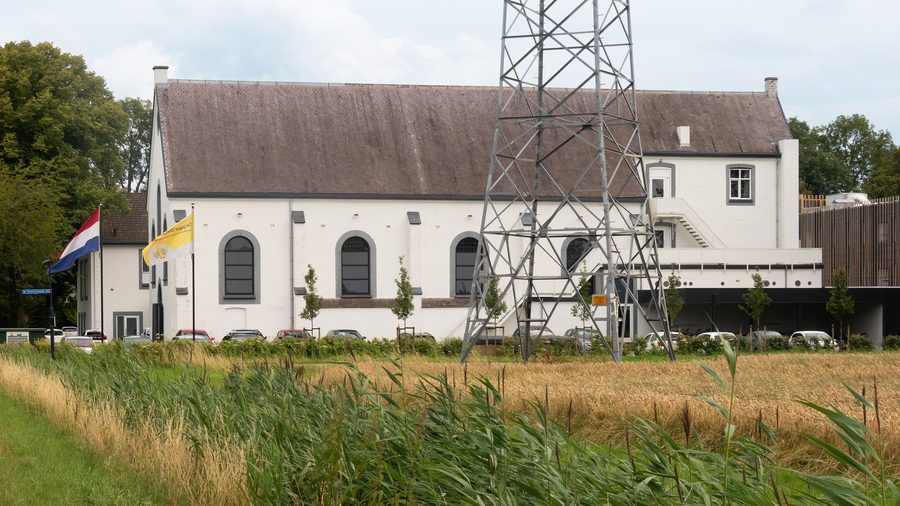
The history of Rilland is closely linked to flooding and the later reclamation of land. An earlier settlement was lost in the flood of 1530; after the completion of the Reigersbergsepolder in 1773, the place continued to develop in the setting of the polder landscape. The severe flood of 1953 also belongs to the historical background.
This makes Rilland a suitable starting point for travelers who want to understand Zeeland not only through general coastal images, but through the history of settlements, water, and newly reclaimed land. Rilland is not a documented museum or monument destination: the appeal lies first and foremost in understanding the place and its development.
Rattekaai and activities in the surrounding area
Part of the water-related historical context of Rilland is Rattekaai, a traditional harbor. The source also mentions a small marina west of the harbor. You should understand these details as historical or contextual orientation, not as proof of current visitor facilities or existing offers.
Outdoor activities are described for the surrounding area. If you are planning active days or experiences on the water with your family, you should therefore check the specific places, routes, facilities, and current access before booking. Named routes, short distances, or a special suitability for families cannot be derived from the available information for Rilland.
Checking Rilland as a place to stay
A holiday apartment in Rilland is particularly worth considering if the village's history and water-shaped development match your travel interests and you want to choose outdoor destinations in the surrounding area yourself. However, the available information does not provide evidence of any specific differences between parts of the village or of short distances to Rattekaai or other activities. It is therefore crucial to check the route to the planned destinations and the mobility required in each case before booking.
For further orientation, you can also look at Reimerswaal and place Rilland within the municipality. Zeeland itself is a province shaped by islands and peninsulas with large bodies of water and significant tourism; however, this does not mean that Rilland itself is a coastal or seaside resort.
Getting there and rail connection
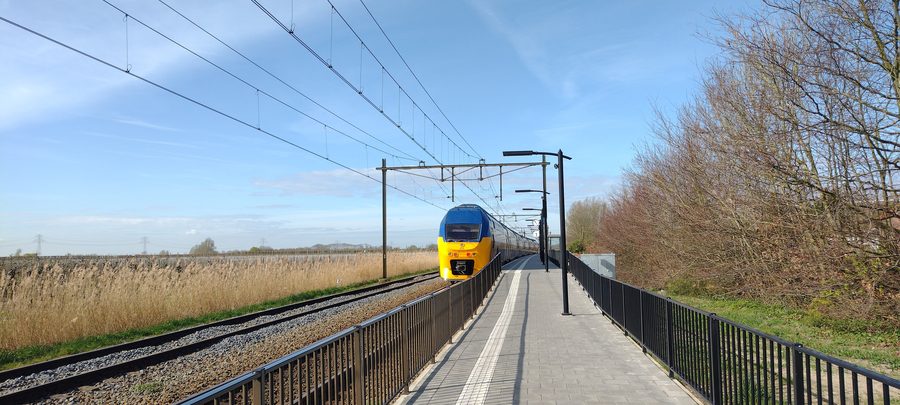
The Rilland-Bath station is documented as part of the Roosendaal–Vlissingen railway line and was opened in this context as early as 1872. For your specific travel planning, this historical information is only a point of orientation: timetable, current service, travel times, and the route from a place to stay to the station must be checked separately.
Rilland is therefore particularly suitable for a consciously researched travel plan: you choose the place because of its own historical and water-related context and then clarify which destinations in the surrounding area actually fit your day plan and your arrival.


-1.jpg)