
Holiday Apartment in Tuscany
Accommodation in Tuscany
Tuscany is appealing for families because you can choose very different base locations between art cities, hills, the coast and the islands, so the choice of holiday apartment or holiday home already shapes the trip. If you want to combine culture with quieter days, that contrast is exactly what makes the region so attractive.
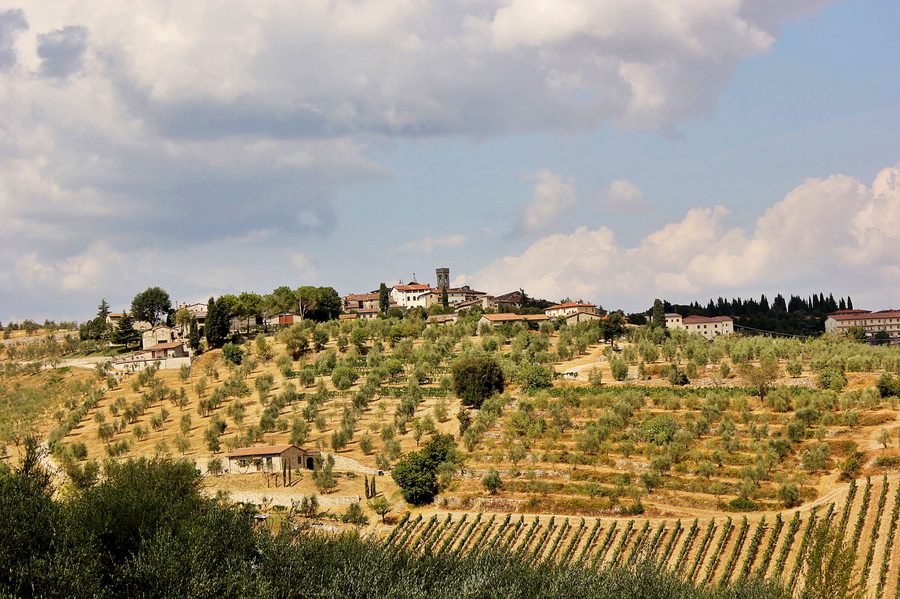 Village landscape in the Chianti hills of Tuscany.
Photo: Justraveling.com via Wikimedia Commons, CC BY-SA 4.0
Village landscape in the Chianti hills of Tuscany.
Photo: Justraveling.com via Wikimedia Commons, CC BY-SA 4.0
Quick facts about Tuscany
- Tuscany can be experienced through art cities, nature, the sea and regional products.
- Defining landscapes include Chianti, Maremma, coastal areas, islands and the Apuan Alps.
- Florence, Siena, Lucca and Pisa are among the classic cultural cities.
- The cuisine includes hearty soups, meat dishes, pastries and other regional specialties.
Which area of Tuscany is right for your family trip?
If you are traveling with children, choosing your base matters especially much. A city base is a better fit when sights and short distances within the town matter more than a lot of daily movement. A coastal base makes more sense when beach days and a more relaxed daily rhythm are the priority. A rural or hilly base works well if you are looking for peace, scenery and flexible self-catering.
The Chianti hills in particular show how green and varied the region feels inland. That means you can give very different weight to culture, free days and scenery.
Art cities and cultural centers
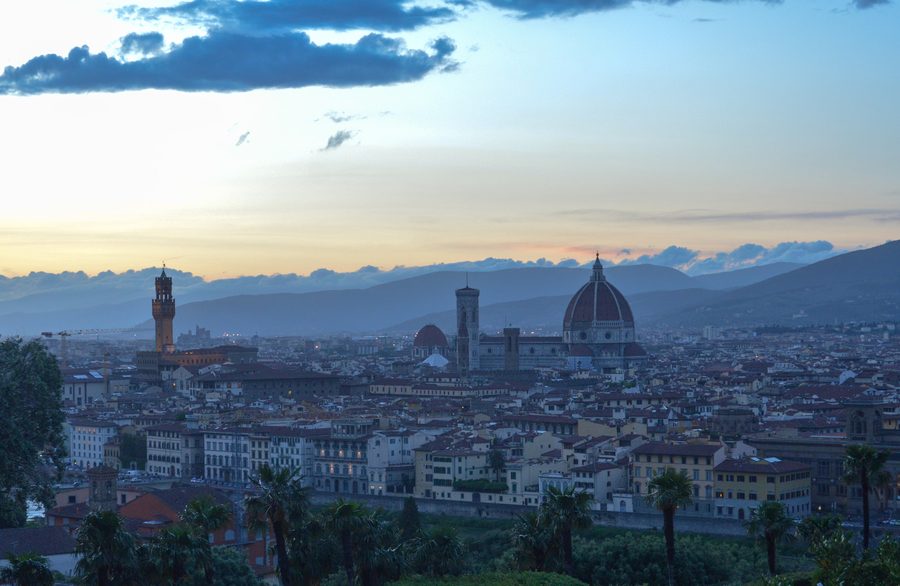
If you want to experience Tuscany mainly through its cities, Florence, Siena, Lucca and Pisa should be your first stops. These places are especially suitable if you want to bundle culture and not pack up every day.
- Florence: Florence is the region’s clearest base for culture and art. It is a good choice if you want to bundle many sights in one urban base.
- Siena: Siena is a central anchor for a Tuscany base focused on culture.
- Lucca: Lucca works well as a historic, culturally rich base with its own city character.
- Pisa: Pisa is part of the classic Tuscany circuit as a well-known cultural destination.
Coast, Maremma and nature
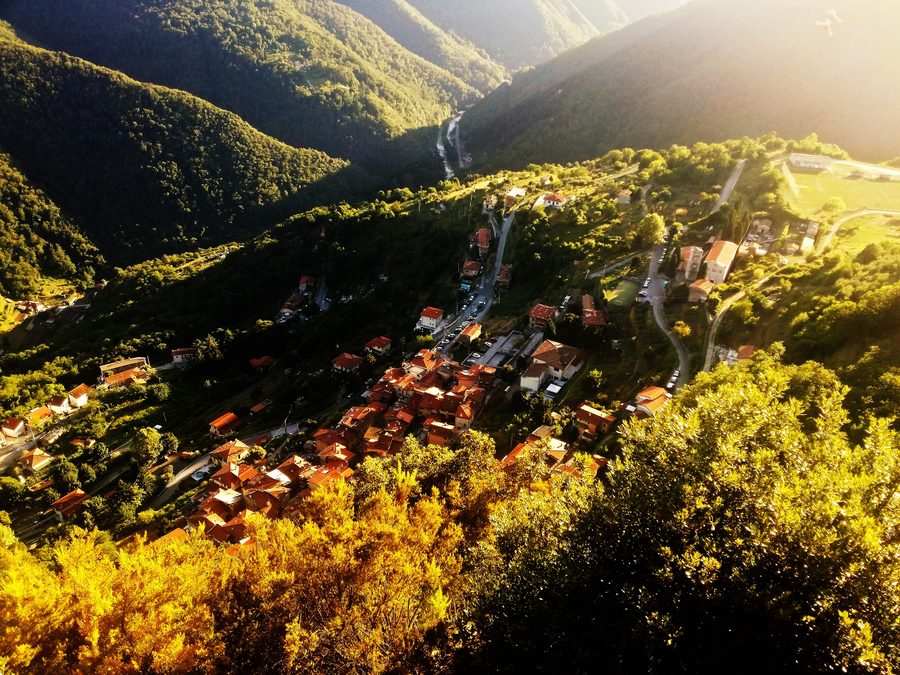
If you are looking for more sea, nature and quieter days, you will find a different side of Tuscany in the south and along the coast. Maremma stands for a mix of nature, villages and coastal towns, and the coastal areas and island areas are also among the region’s defining landscapes.
- Grosseto: Grosseto represents the southern Tuscan mix of nature, villages and proximity to the coast.
- Massa-Carrara: Massa-Carrara combines the sea, mountains and cultural landscape.
Other regional entry points in Tuscany
If you want to sort Tuscany even more precisely, other regional entry points can also help. These include Arezzo, Elba, Livorno, Pistoia and Prato.
Frequently asked questions about Tuscany
What makes Tuscany interesting for families?
The region combines art cities, nature, the sea and regional products. That makes it easy to mix culture and beach days.
Should you choose an art city or the coast in Tuscany?
For culture and short discovery days, Florence, Siena, Lucca and Pisa are well suited. For the sea, nature and a more relaxed daily rhythm, the coast and Maremma are the better fit.
Which places in Tuscany stand for culture and history?
Especially Florence, Siena, Lucca and Pisa. Florence is the region’s clearest base for culture and art.
Which typical dishes and products belong to Tuscany?
Tuscan cuisine includes hearty soups, meat dishes, pastries and other regional specialties.
If you want to compare Tuscany with other destinations in Italy, you can go back to accommodation in Italy. An official introduction to the region can be found on the official Tuscany page on Italia.it.


.jpeg)
