
Szakáld – Landscape and Churches
Accommodation in Szakáld
Szakáld brings together a plain bounded by the Hejő stream and the Sajó River, and two churches whose histories offer different perspectives. The landscape and local history give the village a distinctive profile for a stay. When looking for holiday accommodation, you can decide whether to focus on Szakáld itself or include other themes in the wider destination of Borsod-Abaúj-Zemplén.
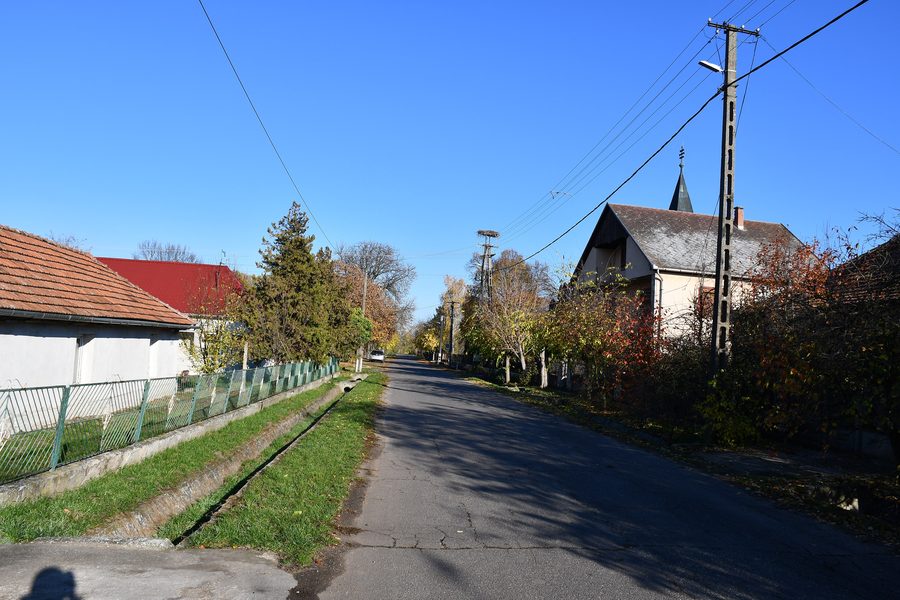
Location, Landscape and Getting There
The village lies southeast of Miskolc and Nyékládháza, at distances of 22 km and 10 km respectively. Szakáld can be reached via the Nyékládháza–Mezőcsát main road: turn off at Hejőszalonta; from there, it is 2 km to the village. Check road conditions before setting out.
The plain is bounded by the Hejő stream and the Sajó River. In the past, flooding from these waterways posed a danger to the residents, so both rivers are also part of the village’s history. The Dél-borsodi mezőség begins south of the village boundary, while foothills of the Bükk Mountains lie to the north. This gives a clear geographical picture: the plain around the village, with two named landscape regions in opposite directions.
Churches with Stories of Their Own
The Greek Catholic church is considered the village’s main attraction. When it was built, it was consecrated in 1912 in memory of those who fell in the Battle of Muhi. The renovated Roman Catholic Szent Anna-templom has a wooden roof turret. Together, the churches offer different ways to explore local history and architectural styles.
Nature and History in the Wider Destination of Borsod-Abaúj-Zemplén
Caves, nature trails and historic places are among the other themes to explore in the wider destination of Borsod-Abaúj-Zemplén. The Baradla-Domica cave system is part of the UNESCO World Heritage-listed Caves of the Aggtelek and Slovak Karst. The short Aggtelek Cave Tour is 1 kilometre long, takes 60 minutes and is rated easy. Its length and duration give you a clear time frame; a nature trail, by contrast, connects the Aggtelek and Jósvafő entrances to Baradla Cave and presents the area’s natural and cultural heritage. This means you can choose between a timed cave tour and a trail linking two entrances, with a focus on both natural and cultural heritage.
Another nature attraction is the Hucul herd on the pastures of Gergés-lápa, around 1.5 kilometres north of Jósvafő. It can be visited year-round. As animal-keeping conditions can change, check the latest information before your visit.
The nature trail at Miskolc Zoo and Cultural Park features a 9-metre-high observation tower and a 32-metre-long suspension bridge. Diósgyőr Castle in Miskolc offers a historical perspective: it flourished under King Louis the Great in the 14th century and later served as a residence and wedding gift for six queens. These examples offer a different focus from Szakáld’s plain and churches, and can help you narrow down your interests for a stay in the wider destination.
Discover More Destinations
Discover more destinations: Nagycsécs, Tiszaújváros.
Back to the wider travel overview: Tiszaújváros.

