
Accommodation in Estonia
Accommodation in Estonia
Estonia surprises with how close medieval cities, the Baltic coast, marsh landscapes, and island nature feel in travel terms. If you choose Tallinn as your urban starting point, you can add nature days outside the city to your itinerary. If you want more peace and scenery, Lahemaa offers a distinct nature-and-culture region; Saaremaa and Hiiumaa stand for a separate island section. This makes it possible to decide before choosing accommodation whether your days together should be shaped more by the city, the coast, nature, or a regional focus.
Short and sweet
- Estonia combines medieval cities with the Baltic coast, forests, lakes, and bog landscapes.
- In Lahemaa National Park, coast, forest, raised bogs, and historic manor houses come together.
- As West Estonian islands, Saaremaa and Hiiumaa offer a travel experience all their own.
- Viljandi is considered a starting point for exploring Central Estonia and its historic cultural landscape.
- There are 41 lighthouses in Estonia that are mentioned as destinations for family outings.
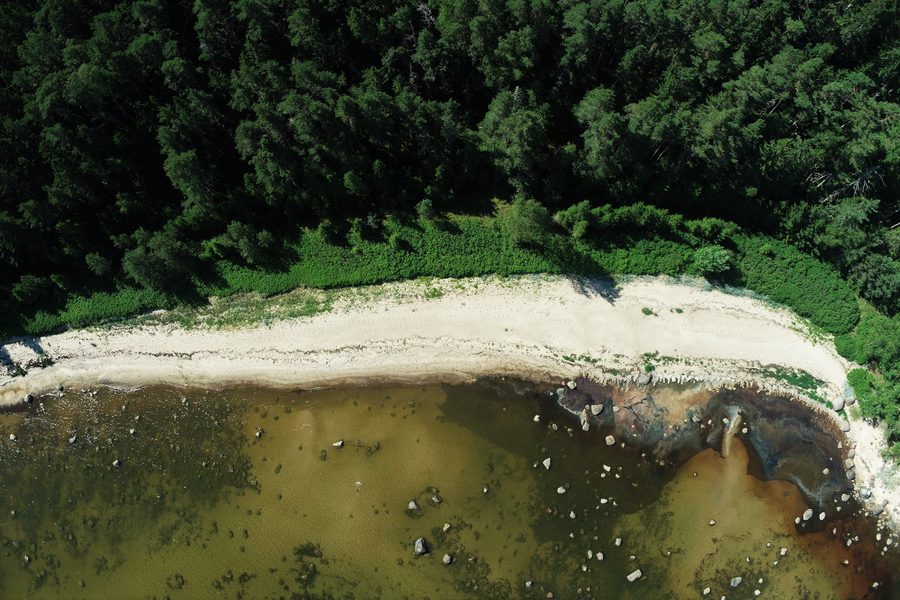
Between Tallinn and nature: combining two travel ideas
Tallinn works well as an urban starting point if culture and city days are meant to form the beginning or part of the trip. Visit Estonia explicitly contrasts a stay in the city with the option of planning time in nature outside Tallinn afterward. For families, this change of pace can be appealing: focused city experiences are followed by walks, scenery, and quieter days together.
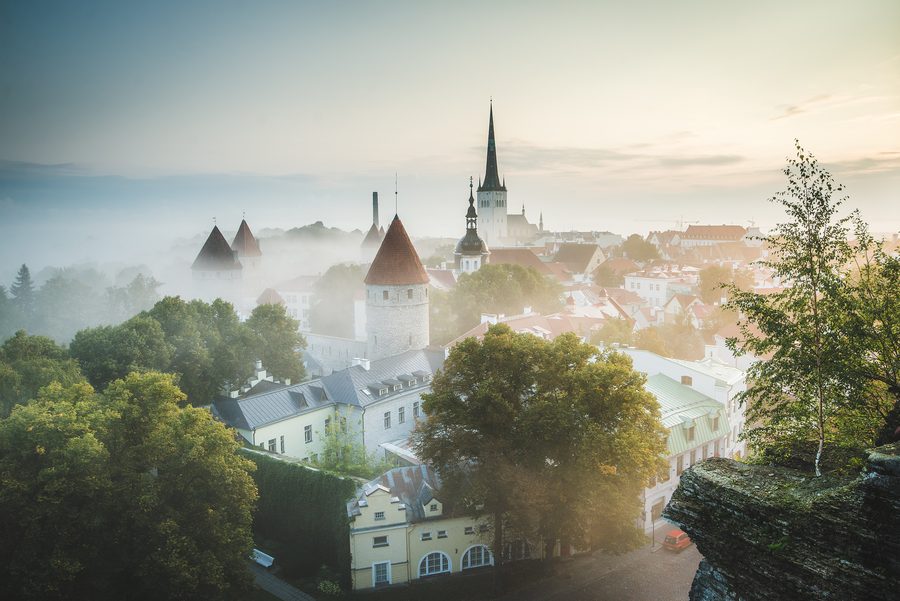
In the nationwide overview, the route from Tallinn and Harju leads to different Estonian travel contexts. Accommodation in or near the city supports a Tallinn focus; if nature is meant to take a much bigger role, a separate stay outside the city is the more obvious alternative.
Lahemaa: coast, bog, forest, and manor houses
Lahemaa National Park makes Estonia’s landscape especially vivid because several impressions come together in one natural and cultural area: the Baltic coast, forests, raised bogs, coastal villages, and historic manor houses. Hiking trails through bog landscapes and along the coast give active days a concrete purpose, while the manor houses add a cultural accent.
For this focus, a nature-based base in the Lahemaa area makes more sense than a purely urban travel idea. The matching regional page in the northern context is Lääne-Viru. Lääne County and Pärnu also lead to further western or coastal regional pages.
Saaremaa and Hiiumaa: islands as a focus of their own
Saaremaa and Hiiumaa lie in western Estonia and offer a clear alternative to Tallinn or a mainland nature-and-culture itinerary. If you plan an island stay as a separate building block, you are consciously choosing a different rhythm and a trip in which coastal scenery and maritime excursion destinations take center stage.
You can find the two islands here: Saaremaa and Hiiumaa. Lighthouses, in particular, create a very clear reason for shared days by the coast. When choosing a location, the key question is therefore whether the island itself is the destination or only one part of a longer Estonia trip.
Viljandi and Central Estonia
If you are not looking exclusively for coast or capital, Viljandi provides a concrete starting point for Central Estonia. Visit Estonia describes the town as a base for exploring the region and its historic cultural landscape. This creates a third travel idea alongside Tallinn and the islands: a stay further inland with a cultural and regional emphasis.
You will also find the pages for Järva, Jõgeva, and Rapla here.
All regions at a glance
For further orientation in Estonia, you can also visit the pages for Ida-Viru, Põlva, Tartu, Valga, and Võru. These names expand the nationwide overview and lead to additional regional travel destinations.
Which location best supports your travel idea?
Start by asking what should be the main focus: Tallinn for city days, Lahemaa for the combination of coast, forest, bog, and manor houses, one of the western islands for a dedicated island stay, or Viljandi for Central Estonia. Only then does it make sense to look at the accommodation location. A city base supports a Tallinn focus, a nature-oriented location in the Lahemaa area supports the landscape and cultural experiences there, and accommodation on Saaremaa or Hiiumaa supports the intentionally chosen island section. If different interests come together within the family, splitting the trip into a more active nature day, a cultural city day, and quieter landscape experiences can make the choice between one location and several travel components easier.
Frequently asked questions about Estonia
How can city and nature be combined on a trip to Estonia?
Tallinn can form the city part of the trip, while a subsequent stay outside the city adds nature experiences. In this way, culture and landscape can be planned as two deliberately different travel components.
What makes Lahemaa interesting for nature and culture days?
Lahemaa combines the Baltic coast, forests, raised bogs, and historic manor houses. That creates opportunities for walks and nature days as well as cultural impressions.
Which travel idea suits Estonia’s islands?
Saaremaa and Hiiumaa work well as a separate island focus within an Estonia trip. Coastal scenery and lighthouses give such days a clearly maritime profile.
Which region can serve as a starting point for Central Estonia?
Viljandi is identified as a starting point for Central Estonia and its historic cultural landscape. The town therefore offers a concrete orientation for a stay in the interior of the country.


