
Holiday apartment in Bulovka
Accommodation in Bulovka
Bulovka is a rurally shaped municipality and village in the Liberec District. Anyone looking for a holiday apartment here chooses a place to stay with a local character and can organize their days around local history and personal travel plans.
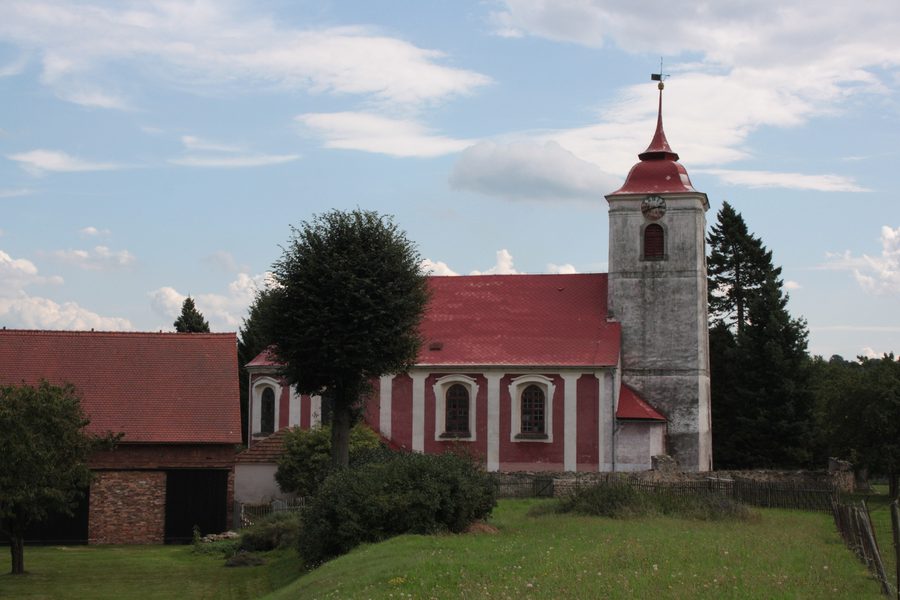 Die Kirche St. Michael der Erzengel stammt aus den Jahren 1744 bis 1747 und bewahrt Teile ihrer barocken Ausstattung.
Photo: Jan Polák via Wikimedia Commons, CC BY-SA 3.0
Die Kirche St. Michael der Erzengel stammt aus den Jahren 1744 bis 1747 und bewahrt Teile ihrer barocken Ausstattung.
Photo: Jan Polák via Wikimedia Commons, CC BY-SA 3.0
Key facts about Bulovka
Location: Municipality and village in the Liberec Region, in the Frýdlant area in the Czech Republic
History: First written mention in 1354
Worth seeing locally: Church of St. Michael the Archangel with Baroque elements
Municipal area: Bulovka, Arnoltice and Dolní Oldřiš
Historical character and local reference points
Bulovka was first mentioned in writing in 1354. The local history was shaped by agriculture and craft, partly domestic weaving. This background makes the small municipality a place whose character emerges from individual local reference points and its history.
A local architectural landmark is the Church of St. Michael the Archangel. It dates from 1744 to 1747 and preserves Baroque elements. The church is therefore a concrete cultural reference point for your own travel planning; however, you should not assume that there will be visits, guided tours, or opening hours.
Who a place to stay in Bulovka may suit
Anyone choosing a holiday apartment in Bulovka is opting for a rural location in the Frýdlant area. The rural setting alone, however, says nothing about peace and quiet or short distances. What matters more is whether you prefer a small municipality with its own historical character to a larger center and want to organize your trip independently.
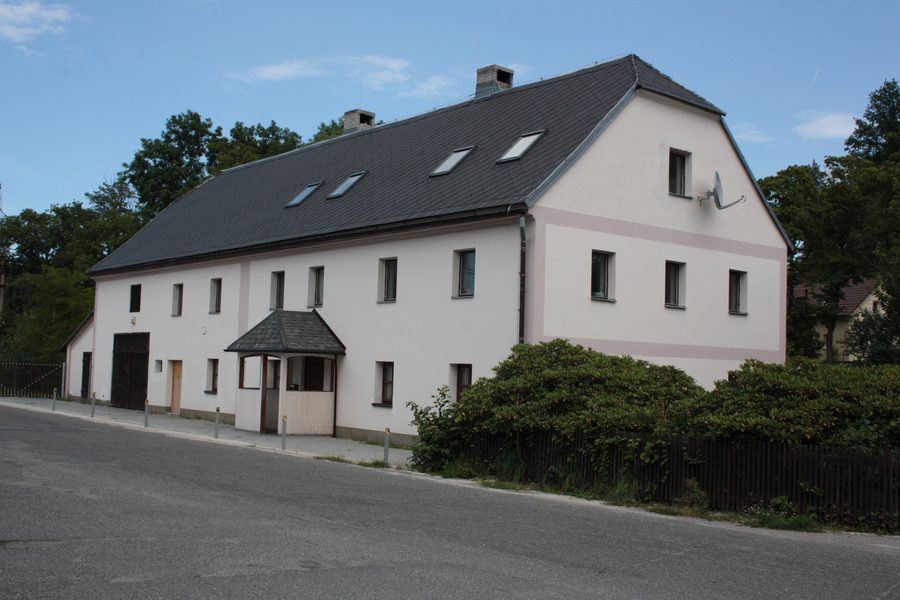
In addition to Bulovka, the municipality also includes Arnoltice and Dolní Oldřiš. Bulovka is located about 5.5 kilometers northeast of Frýdlant. The districts should not be understood as a single compact attraction. For choosing accommodation, it is therefore sensible to assign the location of the holiday apartment and the planned destinations concretely.
Spatially distributed reference points include Mount Humrich east of Bulovka, three churches in the municipal parts, and a historic stone bridge in Arnoltice. These places can serve as points of reference for an independently put-together travel plan and are not located as a single offering in the center of Bulovka. Plan routes and possible visits separately in each case.
Check arrival and travel planning carefully
As arrival information, Bulovka is said to have a bus stop with connections from Frýdlant and a rail connection via the station in Krásný Les. You should check current timetables, frequency, and travel times before booking; practical accessibility to individual destinations cannot be derived from this either.
If you prefer rural accommodation, you should therefore decide before making your choice which excursions, shopping trips, and arrivals actually need to be organized during your stay. For an overview of different places and accommodation locations in the district, see Okres Liberec.
Frequently asked questions about Bulovka
Is Bulovka more rural or urban in character?
Bulovka can be classified as a rural municipality and village in the Frýdlant area. The municipality includes Bulovka, Arnoltice and Dolní Oldřiš. Whether this character suits your trip depends on whether you prefer a small municipality to a larger center.
What makes Bulovka historically interesting?
Bulovka is first mentioned in writing in 1354. Agriculture and craft, partly domestic weaving, shaped the local history. In addition, the Church of St. Michael the Archangel from 1744 to 1747 stands here, preserving Baroque elements.

,_kostel_(4).jpg)
,_d%C5%AFm_%C4%8D%C3%ADslo_102.jpg)