
Accommodation in Belgium
Accommodation in Belgium
Belgium is a destination of short contrasts: on the coast, beaches and cycling take center stage; Brussels combines museums with urban culture; and the Ardennes invite you to enjoy hiking, sport, and nature experiences. In the south, landscapes, cultural sites, regional cuisine, and brewing culture add to the travel picture. This lets you first choose the holiday focus you want and then decide whether a coastal, city, or nature-based accommodation is best suited to your shared days.
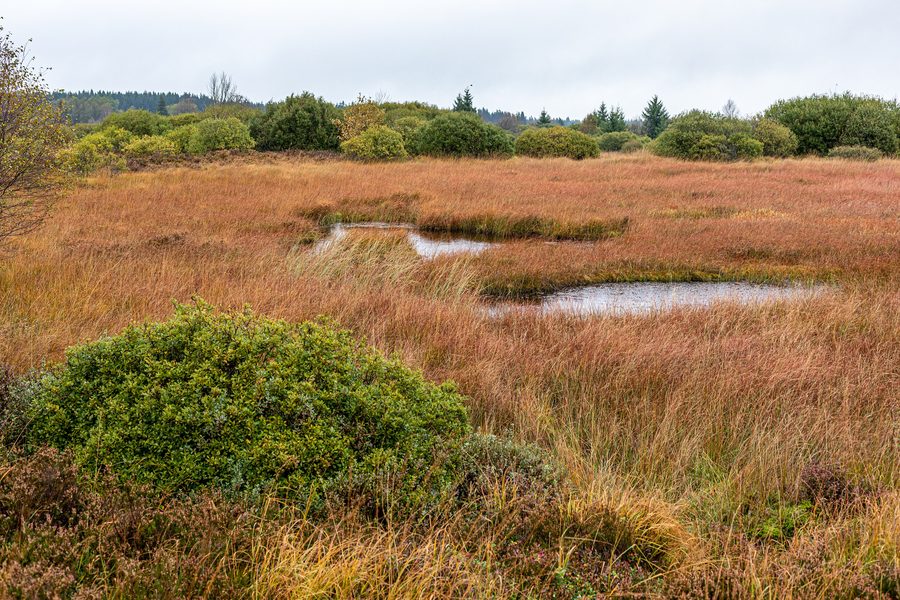 Das Brackvenn im Hohen Venn zeigt die offene Moorlandschaft der belgischen Ardennen.
Photo: Dietmar Rabich via Wikimedia Commons, CC BY-SA 4.0
Das Brackvenn im Hohen Venn zeigt die offene Moorlandschaft der belgischen Ardennen.
Photo: Dietmar Rabich via Wikimedia Commons, CC BY-SA 4.0
Belgium at a glance
- Ardennes: a natural area for hiking, sport, and active days.
- High Fens: the Venntrilogie leads as a certified long-distance hiking trail in six stages through the landscape of the High Fens.
- Belgian coast: beaches and cycling define this travel profile.
- Brussels: museums and cultural activities make the capital the urban counterpoint.
- Wallonia: nature, hiking and cycling tours meet culture, leisure activities, and regional products here.
- Famenne-Ardenne: the UNESCO Global Geopark Famenne-Ardenne is located in Wallonia.
- World heritage: Belgian UNESCO themes include, among others, beguinages, carnival, belfries, and coal mines.
- Enjoyment: regional cuisine and a brewing culture rooted in history for several centuries are especially part of the travel experience in the south.
Four travel pictures, one versatile country
If your family enjoys being outdoors, the Ardennes point you toward a clear nature-focused program. Hills and wide views over the surrounding landscape create a fitting setting for active exploration. In the High Fens, this becomes a specific hiking focus: the Venntrilogie makes the landscape accessible via a designated long-distance trail without forcing your holiday to revolve around just one activity.
The coast adds a different emphasis. Beaches and cycling are the main attractions here – a combination that brings together movement and quieter moments by the water. Anyone planning a holiday primarily around these experiences will sensibly look first for accommodation near the coast. That way, the desired coastal character remains the guiding thread of the stay.
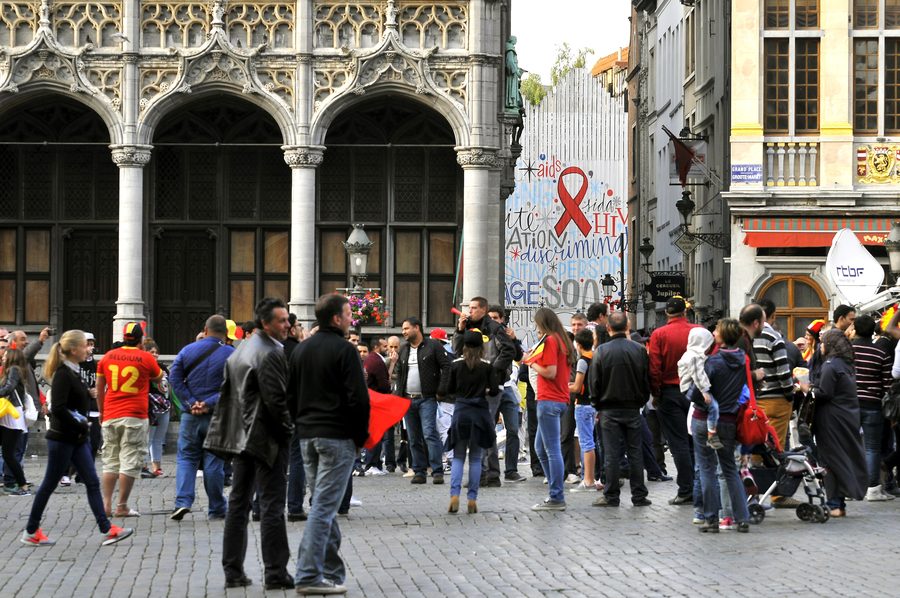
Brussels appeals to families who want to spend their days together visiting museums and cultural attractions. The Grand Place offers a concrete urban focal point. Accommodation in the Brussels-Capital Region is therefore especially suitable when city exploration and cultural highlights are at the center of the trip.
Culture and enjoyment as shared discoveries
Belgium cannot be planned around landscapes alone. UNESCO World Heritage opens up different cultural perspectives: beguinages, belfries, carnival, and coal mines stand for different chapters of Belgian history and ways of life. These themes can complement a nature or coastal holiday and also provide an independent reason to plan days with changing family interests.
In Wallonia, the official tourism presentation brings together nature, culture, leisure, and regional products. Regional cuisine is explicitly part of the travel experience there. Belgian brewing culture is also deeply rooted in history and regional identity for several centuries. If tasting together, regional products, and culinary discoveries are part of your trip, the Walloon-Ardennes area is therefore a natural focus – without presuming any specific dishes or businesses.
Which accommodation base suits your Belgium plan?
The right location is best determined by the itinerary you imagine for the family. For beach days and cycling, a base close to the coast makes sense. For museums and cultural activities, city accommodation in the Brussels-Capital Region is a good fit. For hiking, nature, and landscape views, a base in the Walloon-Ardennes area is appropriate. This helps avoid staying in Belgium without being close to the experiences that are meant to be the main focus.
If you are planning several priorities – such as nature days, culture, and coast – decide early whether you want to set a clear focus or split the stay across several locations. One base can simplify day-to-day planning, while split stays can bring different travel themes more strongly into view. You should check specific connections and travel times before booking to match your own route.
Explore Belgian regions further
The Brussels-Capital Region is the urban starting point for anyone putting museums and cultural activities at the center: Brussels-Capital Region.
For the Walloon travel profile with nature, culture, and regional products, the regional entry points lead to Hainaut, Liège, Luxembourg, and Namur. There you can continue your search for accommodation within this larger landscape and cultural region.
Further regional entry points include Brabant, Limburg, East Flanders, Antwerp Province, and West Flanders. This lets you combine a national overview with a more targeted regional accommodation search.
Frequently asked questions about Belgium
What makes Belgium a varied travel destination?
Belgium combines coast, capital, the Ardennes, and cultural heritage. Beaches and cycling, museums and city life, as well as hiking and nature, create clearly different travel ideas that can be weighted according to family interests.
Which travel idea is more suitable for the coast, a city break, or nature?
For beaches and cycling, the coastal focus is the best fit. Museums and cultural activities point to Brussels, while the Ardennes stand for hiking, sport, and nature. Wallonia combines nature and cultural experiences with regional cuisine.
What role do regional cuisine and brewing culture play?
In the south of Belgium, regional cuisine and products are part of the tourist experience. Belgian brewing culture is historically and regionally deeply rooted and can add a shared culinary discovery to days spent in nature or culture.

,_Brackvenn_--_2021_--_6575.jpg)
