
Discover Belarus: Castles, Heritage and Nature
Accommodation in Belarus
Belarus offers striking cultural attractions and experiences in nature: from a castle combining Gothic, Renaissance and Baroque influences to a forest area on the border with Poland. The traditional art of paper cutting and Belarusian rural culture also add special touches to a trip. When choosing a holiday region, consider whether you are most interested in historical architecture, landscapes and wildlife, or active routes.
Castles, Architecture and Living Heritage
Mir Castle is an exceptional Central European castle. Its design brings together Gothic, Renaissance and Baroque influences. If you appreciate historic architecture, it offers a tangible opportunity to explore several stylistic periods rather than viewing a castle as a single, uniform structure.
The Radziwill Complex at Nesvizh comprises a residential castle and the Church of Corpus Christi, a mausoleum church, with its surrounding grounds. Nesvizh Castle consists of ten interconnected buildings arranged as an architectural ensemble around a hexagonal courtyard. Its 100-hectare grounds contain themed parks and ponds; artificial pools and canals are connected to the Usha River. If you enjoy including both architectural details and parkland in your explorations, these attractions may help shape your choice of cultural stays.
Another way to explore history is to visit the Church of Our Savior and Transfiguration on the grounds of St. Euphrosyne’s Convent. The church dates from the 12th century, and the convent was built in 1125. Together, they are considered a rare surviving example of ancient Slavic architecture and painting. St. Sophia Cathedral is the oldest building in Polotsk and dates from the 11th century. These different historical points of interest can help you prioritise your cultural interests for your trip.
The country’s heritage also includes intangible traditions and crafts. Vytsinanka, the traditional Belarusian art of paper cutting, was added to UNESCO’s Intangible Cultural Heritage List in 2024. Dudutki, in turn, is a museum of Belarusian rural culture that showcases traditional national crafts. If you are interested in traditional design and craftsmanship, these attractions offer a different perspective from the great castle complexes.
Forests, Wildlife and Routes for Active Days
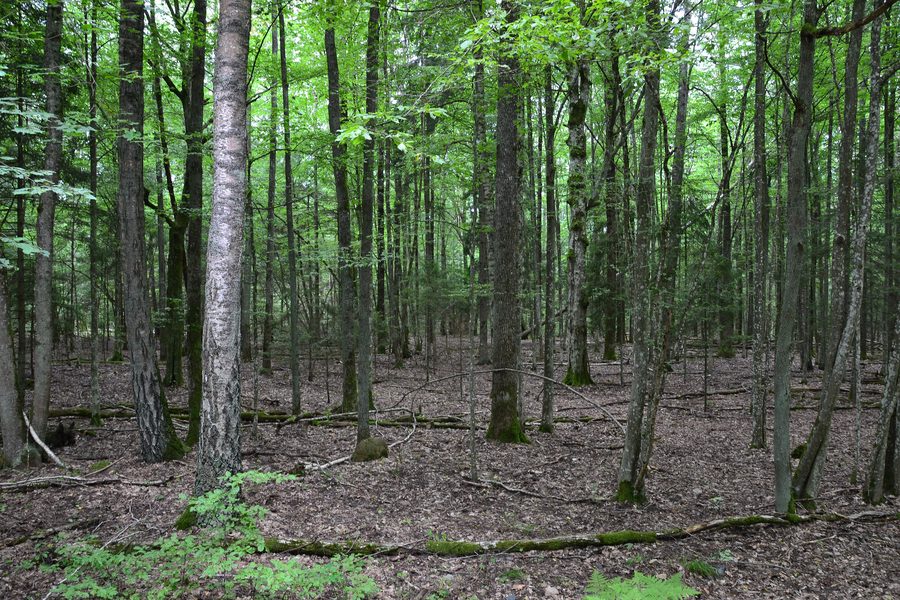
Belovezhskaya Pushcha is the Belarusian part of the Białowieża Forest, a large forest complex on the border between Poland and Belarus. Thanks to many years of conservation efforts, the forest has been preserved in its natural state. The World Heritage site protects a diverse range of wildlife, including 59 mammal species and more than 250 bird species; the European bison is a characteristic species. For your trip planning, this focus offers a clear contrast with castles and cultural sites: nature and wildlife take centre stage here.
Belovezhskaya Pushcha has visitor cycling routes of 10, 25, 27 and 45 kilometres. The different route lengths offer a practical point of reference if you would like to include cycling in your plans. The Berezinsky Biosphere Reserve offers cycling, water, combined and horse-riding tours, as well as hiking and skiing routes. Choose your focus based on which of these activities interest you; the route lengths alone do not indicate duration or difficulty. If your trip brings together different interests, comparing these nature and activity options can help you choose where to stay.
Discover Craft and Flavour
Dudutki combines displays of traditional national crafts with a culinary detail: visitors can sample cheese from the local dairy. The same cheese is also served as an appetiser with Samorgon. If you enjoy discovering regional flavours alongside culture and landscapes, this offers a specific addition to your travel interests without requiring you to devote an entire stay to a single theme.
Explore More Regions
For more regional information, visit the pages for Gomel Region, Grodno Region, Minsk Region, Mogilev Region, Vitebsk Region, Brest Region, Mogilev Region and Minsk. This lets you plan the rest of your trip around the regions you would like to explore more closely.

