
Holiday apartment in Gänserndorf
Accommodation in Gänserndorf
Gänserndorf stands for the contrast between the broad, flat plain of the Marchfeld, the floodplains of the March and the Danube, and the hills of the Weinviertel to the north. For families, this opens up different ideas for a trip: observing nature and wildlife, historic townscapes, regional agriculture, or a flexible mix of excursion days and quieter hours. The right holiday apartment or holiday home is therefore best chosen according to the landscape and experience area you want to explore most often.
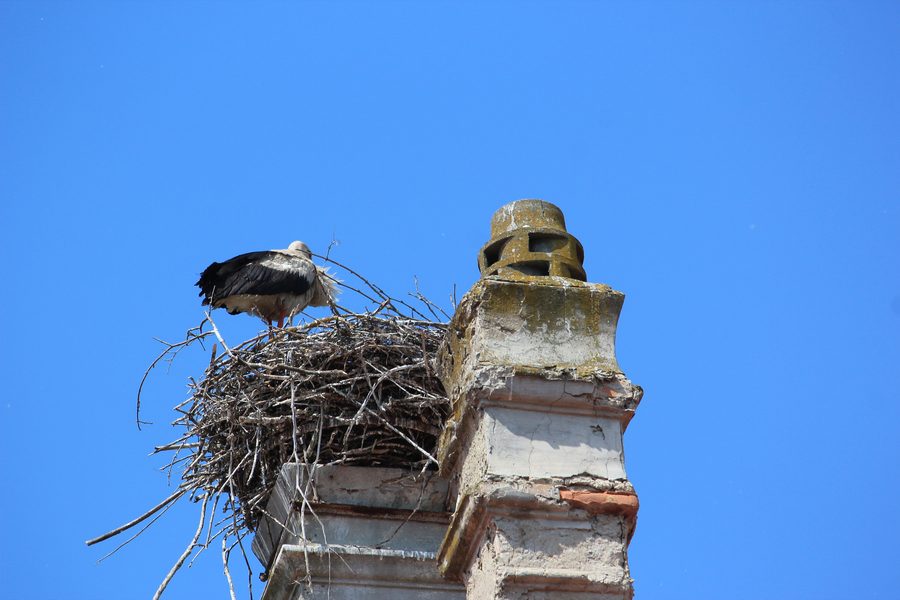 Weißstorch auf dem Schloss Marchegg im regionalen Marchfeldraum.
Photo: User:Karl Gruber via Wikimedia Commons, CC BY-SA 4.0
Weißstorch auf dem Schloss Marchegg im regionalen Marchfeldraum.
Photo: User:Karl Gruber via Wikimedia Commons, CC BY-SA 4.0
Quick facts about Gänserndorf
- The district lies in the eastern Weinviertel; large parts belong to the Marchfeld.
- The Marchfeld is predominantly flat, while Weinviertel hills become visible north of Gänserndorf.
- The March and the Danube, with their floodplains, shape the southern and eastern landscape edges.
- The natural character of the Marchfeld area includes old river arms, floodplain forests, floodplain meadows, and sand dunes.
- Historic places, Baroque churches, town squares, and Marchfeld castles form the regional cultural framework.
- Grain, vegetables, and asparagus are among the agricultural products mentioned for the Marchfeld.
Choosing between the Marchfeld, the March, and the Weinviertel
If you like wide open plains, the Marchfeld offers the district’s most defining landscape impression. The March and the Danube, with their floodplains, set a different focus: old river arms, floodplain forests, and floodplain meadows make the regional natural setting easy to picture. North of Gänserndorf, the scenery changes with the Weinviertel hills. This broader orientation helps you determine the character you want for your holiday days without attributing unsupported qualities to individual places.
For choosing a holiday base, this means checking in advance which landscape area fits your planned excursions. If you want to combine several focal points, you should consider the accommodation’s exact location and the accessibility of your destinations separately. No general ranking of the places can be derived from this.
Nature and wildlife observation in the Marchfeld area
The regionally described old river arms, floodplain forests, floodplain meadows, and sand dunes give families concrete ideas for shared discovery days. In the wider Marchfeld and Danube floodplain area, white storks, Konik wild horses, and European pond turtles are also mentioned. These are suggestions for a day theme centered on nature and animals, not a guarantee of a specific sighting or a particular access point.
If nature observation is the main focus for your family, plan your accommodation according to the excursion area you prefer. The sources confirm the regional natural character, but not a place-specific assignment for every named location and no seasonal viewing promises.
Combining nature days with history and culture
Historic places, Baroque churches, town squares, and Marchfeld castles form a cultural counterpoint to the open landscape and floodplains. This allows you to plan a varied stay: one day devoted to nature and animals, another to historic townscapes. An interactive exhibition described as family-friendly is also linked to the wider regional setting. Current opening times, admission prices, and programs cannot be inferred from this.
This combination is especially helpful when family members have different interests or when the day plan should remain flexible. What matters is not a generally best municipality, but whether the accommodation’s exact location suits the nature and cultural destinations you actually want to visit.
Agriculture and regional products as part of the travel picture
The Marchfeld is shaped by agriculture. Grain, vegetables, and asparagus are among the region’s named products and give the landscape an additional link to regional supply. If you want to cook for yourself in a holiday apartment, you can include this agricultural character in your travel idea. However, specific farm shops, markets, sales outlets, or harvest times are not documented and should therefore not be assumed.
Aligning the holiday base with the experience area you want
Three questions help with choosing your place: Do you primarily want to experience the broad Marchfeld plain, the river and floodplain areas, or the Weinviertel hills? Should nature days be complemented by history and local culture? And does the accommodation’s exact location fit your planned destinations? This creates a plausible decision for a holiday apartment or holiday home without attributing unsupported advantages to a place, such as short distances, exceptional quiet, or a particular family-friendliness.
For families with changing interests, it can be sensible to plan nature and cultural ideas together. Accommodation planning may also take into account the desired independence in your daily routine; specific facilities, shopping options, and current conditions must be checked separately each time.
The individual town pages help you with the further selection within the district. Angern An Der March is a canonical regional reference point as a municipality in the Gänserndorf district; for the other places, no further individual tourist distinctions are available.
Places in the Gänserndorf district
For your further search, you will find the district’s town pages here: Auersthal, Bad Pirawarth, Deutsch-Wagram, Dürnkrut, Ebenthal, Eichhorn, Gaiselberg, Gänserndorf, Gemeinde Eckartsau, Groß-Enzersdorf, Groß-Schweinbarth, Hauskirchen, Hohenruppersdorf, Jedenspeigen, Klein-Harras, Loidesthal, Mannsdorf An Der Donau, Marchegg, Matzen-Raggendorf, Neusiedl An Der Zaya, Obersulz, Orth An Der Donau, Palterndorf-Dobermannsdorf, Prottes, Ringelsdorf-Niederabsdorf, Sierndorf An Der March, Spannberg, Stillfried, Strasshof An Der Nordbahn, Untersiebenbrunn, Velm-Götzendorf, Weikendorf and Zistersdorf.
You can find the larger regional context under Lower Austria. There you can view Gänserndorf in connection with other Lower Austrian holiday regions.
Frequently asked questions about Gänserndorf
What makes the Gänserndorf district interesting as a family destination?
The region combines the flat Marchfeld, the floodplains of the March and the Danube, and northern Weinviertel landscapes with nature, wildlife, and cultural references. You should check specific excursion destinations and current conditions in advance.
Which landscapes can families experience in the district?
Documented are the flat Marchfeld plain, the northern Weinviertel hills, and the floodplain areas of the March and the Danube with different natural elements.
Which nature and wildlife experiences are associated with the region?
Mentions include floodplain forests, floodplain meadows, old river arms, and sand dunes, as well as white storks, Konik wild horses, and European pond turtles in the wider regional area. A specific sighting cannot be promised from this.
Can nature and culture be combined during one stay?
Yes. The sources document both nature and wildlife references as well as historic places, Baroque churches, town squares, Marchfeld castles, and an interactive exhibition. Please check opening times and accessibility up to date.

