
Accommodation in Cuba
Accommodation in Cuba
Cuba is especially interesting for families because depending on the region, you experience something very different: in Havana, more of the city and culture; in Trinidad, a colonial center with excursion options; and on the coast or in the west, much more of a beach-and-nature feel. Accommodation here is therefore not just a place to sleep, but part of the travel decision.
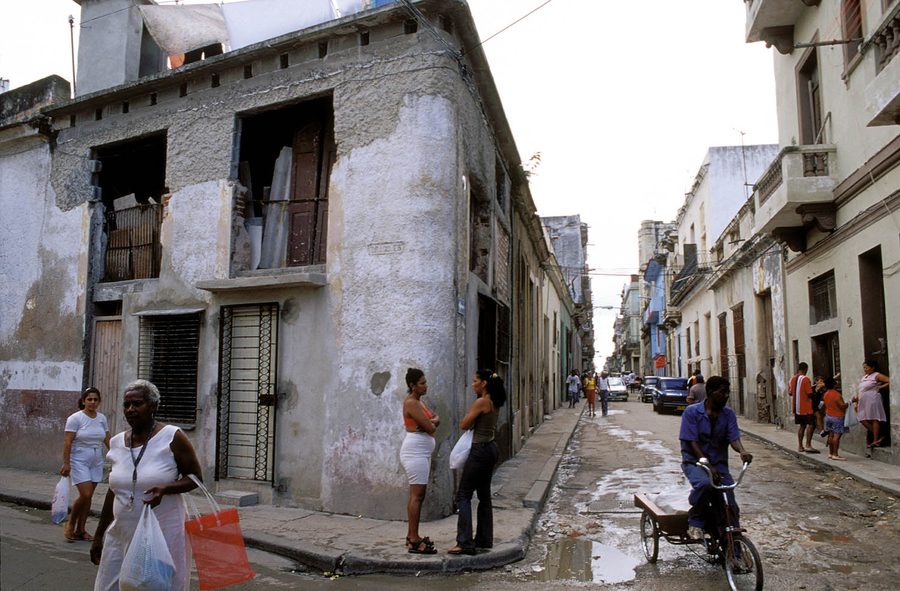 Alt-Havanna mit kolonialer Straßenkulisse
Photo: Jialiang Gao www.peace-on-earth.org via Wikimedia Commons, CC BY 2.5
Alt-Havanna mit kolonialer Straßenkulisse
Photo: Jialiang Gao www.peace-on-earth.org via Wikimedia Commons, CC BY 2.5
If you want to choose Cuba well, the first step is not to look for a single beautiful address, but for the pace of the trip: How much culture, how much beach, how many changes of base, and how much time on the road are really comfortable with children? That is what determines the right region.
Quick facts about Cuba
- For planning purposes, Cuba can be roughly divided into western, central, and eastern Cuba.
- Havana is the largest city and a cultural focal point on the northwest coast.
- Trinidad combines a well-preserved colonial old town with nature, mountain, and beach landscapes.
- Cuban cuisine and music are travel themes in their own right: Moros y Cristianos, Lechón Asado, rice with beans, empanadas, Son Cubano, and salsa shape everyday life.
Which base in Cuba makes sense for families
A city base works well when culture and short distances matter more than pure beach days. A beach base is better when a fixed relaxation block is the main focus. And if you are traveling with children, fewer base changes are often more relaxing than a very packed island itinerary.
If you are looking for a stay with a more local feel, casa particulares can provide a suitable setting. If, on the other hand, you mainly need orientation, the main anchor cities and the primary route between western, central, and eastern Cuba are the better first decision.
Western Cuba: Havana, La Habana, Pinar Del Río and Matanzas
In the west, the first and easiest decisions are often the ones to make: city, nature, and beach can be combined especially well into one travel idea here. For families who do not want to separate culture and arrival days, Havana and La Habana, as two names for the same capital region, are the obvious anchors; Pinar Del Río gives the western section a connection to nature, and Matanzas belongs in the coastal and beach framework of this route.
This western part is especially interesting for a family holiday because it works well as a compact starting point or as a short mix of city and relaxation. Anyone who does not want to begin with a long round trip gets a clear, easy-to-picture introduction here.
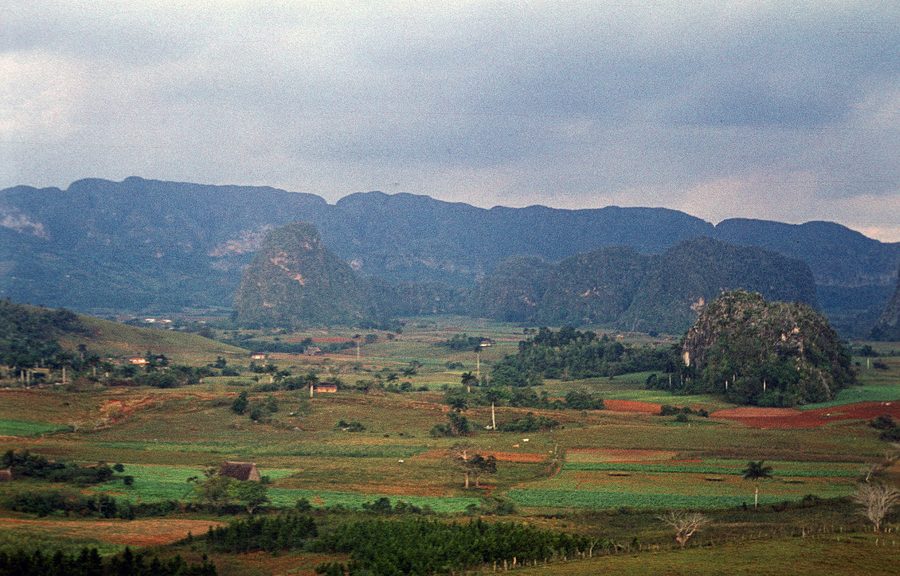
If you do not see the west only as a city region, the green valleys around Viñales offer a very different impression: nature, a countryside feel, and short excursions take priority there over the beach program.
Central Cuba: colonial town and quieter stages
Central Cuba is a good fit for travelers who want to combine colonial towns and excursions without constantly increasing the pace. Camaguey, Cienfuegos, Sancti Spíritus, and Las Tunas are deliberately grouped here as a shared middle section; Sancti Spíritus in particular benefits from its connection with Trinidad, because the region shapes culture and nature into a family-friendly mix.
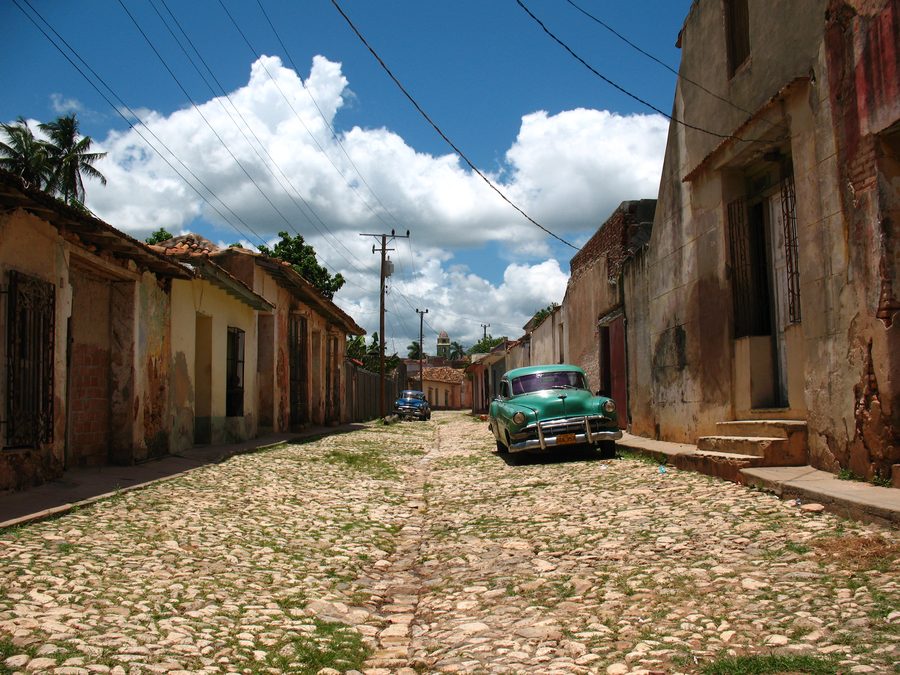
Trinidad shows why this part of Cuba feels so appealing: a well-preserved colonial old town meets nature, mountain, and beach landscapes. It is exactly the kind of destination where parents and children can get more than one type of experience in one place, without the trip having to jump from stage to stage.
Eastern Cuba: longer routes with a cultural focus
Eastern Cuba is more worthwhile when you see the island as a longer, self-contained route. Granma, Guantanamo, Holguín, and Santiago de Cuba make up the eastern block, where the cultural-historical impression becomes stronger and families can plan better if they do not want too many changes of place.
If you think of Cuba with children more as a round trip, this division helps a lot: the west for a compact start, the center for the quieter-looking stages, and the east for a longer, more independent trip.
Culture, food, and music as part of the decision
Cuba is experienced not only through landscapes, but also through everyday life and atmosphere. The cuisine combines Spanish, African, and Asian influences; Moros y Cristianos, Lechón Asado, rice with beans, and empanadas give the trip a culinary profile. Added to that are Son Cubano and salsa as music that you do not experience in Cuba as a side note, but as part of public life.
That matters for families because it explains why Cuba remains exciting even away from the beach: a city stay or a culture route offers more conversation starters and more concrete impressions than a purely beach-focused holiday.
Frequently asked questions about Cuba
Why is Havana interesting as a family base?
Havana is the largest city and a cultural focal point. It works well as a base if you want city life, arrival days, and culture close together.
What makes Trinidad special as a stopover or base?
Trinidad combines a well-preserved colonial old town with nature, mountain, and beach landscapes. That makes it possible to combine culture with excursions and quieter days there.
How do food and music shape the Cuba feeling?
Dishes such as Moros y Cristianos or Lechón Asado and music such as Son Cubano and salsa make Cuba very present in everyday life. For families, that is a clear part of the travel experience.
What does western Cuba stand for with Havana, Viñales, and Varadero?
The west is the compact part for a mix of city, nature, and beach. It is a good fit if you do not want too many changes with children, but still want to combine several impressions in one trip.
When is eastern Cuba with Santiago de Cuba the better choice?
Eastern Cuba is more suitable for longer routes with their own focus. Anyone traveling there should plan the eastern block consciously as part of a larger trip.


.JPG)