
Accommodation in Bhutan
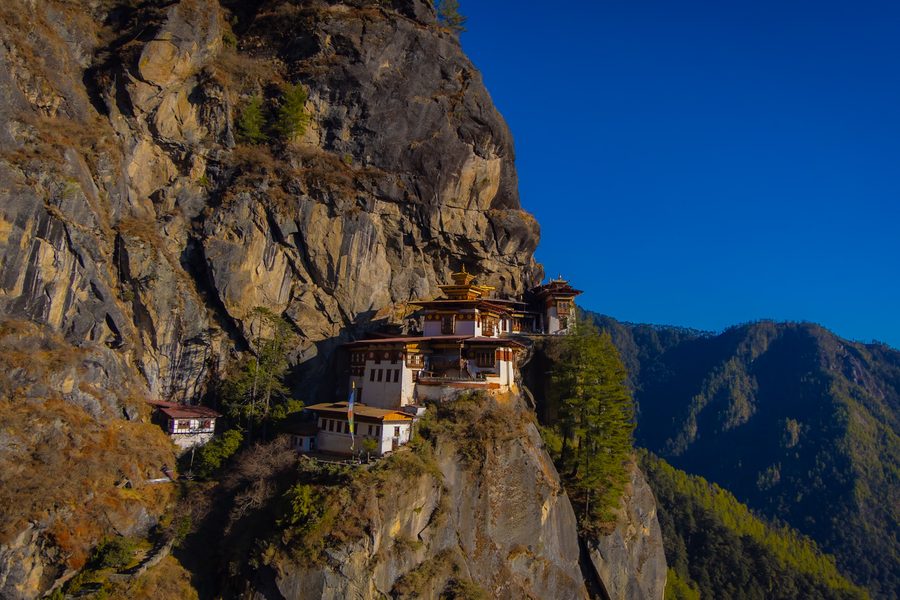 Taktsang Monastery, better known as Tiger’s Nest, above Paro Valley.
Photo: Dorjiphotos via Wikimedia Commons, CC BY-SA 4.0
Taktsang Monastery, better known as Tiger’s Nest, above Paro Valley.
Photo: Dorjiphotos via Wikimedia Commons, CC BY-SA 4.0
Bhutan is especially worthwhile if you are looking not just for one place, but for a route with its own pace. The country combines Himalayan landscapes, Buddhist culture, and long mountain drives; that is why the location of your accommodation shapes the travel experience here more strongly than in many other countries. For families, that means choosing a base that fits the daily rhythm rather than changing places too often.
Quick facts about Bhutan
- Bhutan is a destination for slow travel, where the journey between stages is part of the experience.
- The west is the best place to start; the east feels noticeably more remote and quieter.
- Punakha is considered a more pleasant valley base if you want calmer days.
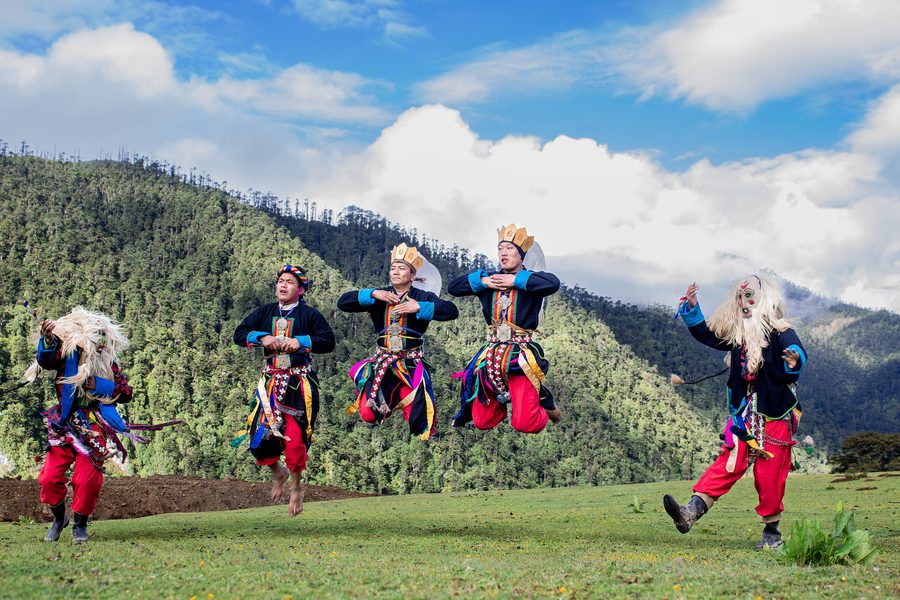
- Bhutan combines sacred nature, monasteries, and everyday culture with activities such as archery, hiking, and hot stone baths.
What makes Bhutan special as a travel destination
Bhutan does not feel like a simple sequence of sights. Prayer flags, monasteries, crafts, homemade cheese, spicy chilies, hikes, and hot stone baths give the trip its own rhythm. That is appealing if, when traveling with children, you prefer shared experiences over just ticking off stops.
In particular, the western part of the country shows how strongly a single place can shape the feeling of a trip: Paro stands for the striking arrival or departure moment, Thimphu for everyday culture, and the pace still remains relatively easy to manage.
Which parts of Bhutan suit which kind of trip?
The key question is not only where it is beautiful, but which part fits your route. In the west, getting started is easiest; in the center, the trip becomes culturally denser; and in the east, the longer journey itself is part of the experience.
Western Bhutan for getting started
For a first overview, Thimphu, Paro, Wangdue Phodrang, and Chukha are the obvious western building blocks. Thimphu works well as an urban cultural base with museums and a market, Paro as a striking starting or finishing point with the Tiger’s Nest high above the valley; Wangdue Phodrang and Chukha are better understood as route-based stopovers.
Punakha for calmer days
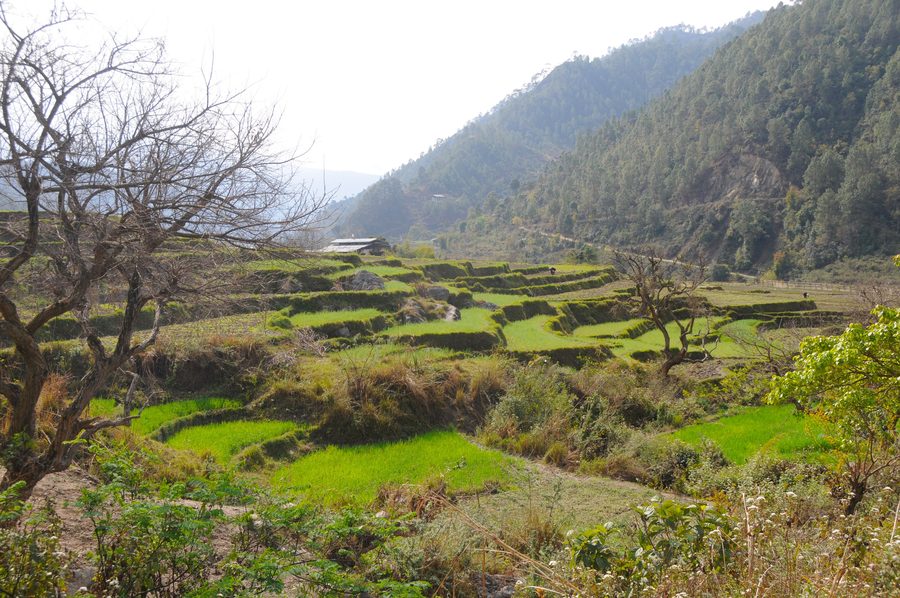
If you are traveling with children or simply want a calmer daily rhythm, Punakha is an excellent fit. The warm climate and green river valleys give this stage a more relaxed character; after long mountain drives, this valley base often feels especially pleasant.
Central Bhutan: denser in culture and slower
In the interior, Bumthang moves to the foreground; there, Bhutan feels more tangible culturally and spiritually, and the route gains more depth. Mongar is more of a neutral building block on the way east if you want to break the journey into stages deliberately.
Eastern Bhutan: only if you have more time
Trashigang belongs to a longer trip in which the east, with its more remote and locally shaped atmosphere, only reveals its appeal when you have more time. The farther you travel, the more important it becomes that the accommodation matches the overall pace of the route.
Which base is the best choice for Bhutan?
- For a first trip to Bhutan: western bases with Paro and Thimphu.
- For calmer days: Punakha.
- For a longer route with cultural depth: Bumthang and, if you want to keep going, Mongar or Trashigang.
This is why the accommodation question in Bhutan is always tied to the route. That is exactly what helps families, because the day’s energy level, transfer length, and desired mix of culture and scenery should all fit together.
Frequently asked questions about Bhutan
Which part of Bhutan is best for a first visit?
The western and central stages make the most sense. Paro and Thimphu provide a good introduction, and Bumthang is worthwhile as a more culturally dense next step; the east is better added later as part of a longer route.
Why is Punakha considered a good base?
Because Punakha offers a calmer valley base with warm weather and green river valleys. That is especially suitable if you want fewer changes of location and more relaxed days.
What makes eastern Bhutan different?
The east feels more remote and more locally shaped. Merak and Sakteng show this character especially clearly; Trashigang is also more suited to a longer, carefully planned trip.
Why do long mountain drives influence the choice of location in Bhutan so strongly?
Because the drives themselves take a lot of time and therefore set the daily rhythm. In Bhutan, accommodation is therefore always also a question of pace and stage length.


.jpg)
