
Accommodations in the Philippines
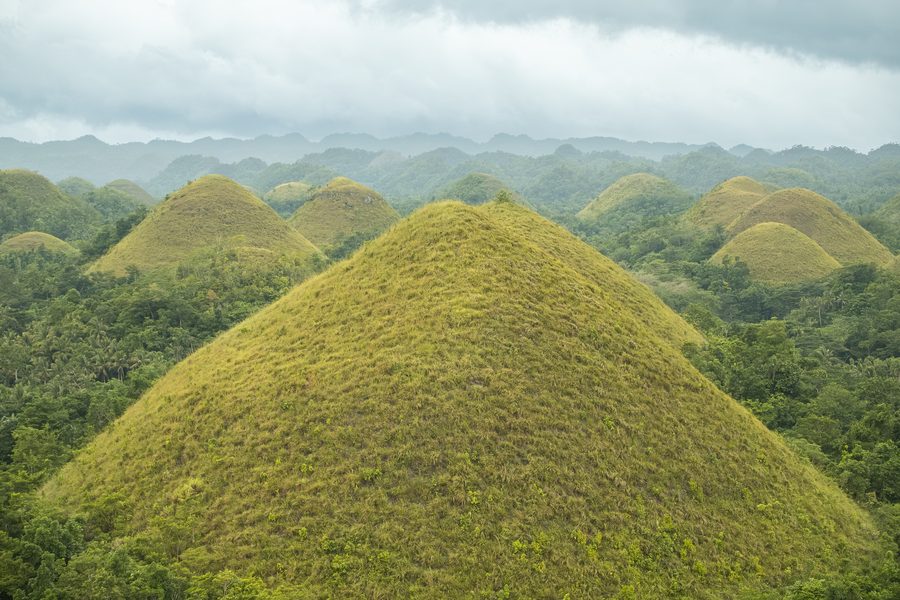 Die Chocolate Hills auf Bohol mit ihren zahlreichen kegelförmigen Kalksteinhügeln.
Photo: Eduardojr5 via Wikimedia Commons, CC BY-SA 4.0
Die Chocolate Hills auf Bohol mit ihren zahlreichen kegelförmigen Kalksteinhügeln.
Photo: Eduardojr5 via Wikimedia Commons, CC BY-SA 4.0
The Philippines are far more than a single beach destination: Luzon, Visayas, and Mindanao open up very different travel experiences ranging from big-city life and highlands to islands, cultural landscapes, and nature. Families traveling here can combine active days of discovery, quieter breaks, and shared culinary experiences—provided the accommodation base fits the chosen part of the trip.
Short & sweet
- Three major island groups provide an initial orientation for the trip: Luzon, Visayas, and Mindanao.
- Manila, Cebu, and Davao are the key urban centers of their respective island groups.
- The rice terraces of the Philippine Cordilleras bring Luzon’s highlands to life as a vibrant cultural landscape.
- Near Puerto Princesa on Palawan lies an underground river in a UNESCO World Heritage national park.
- The Chocolate Hills on Bohol, with their numerous cone-shaped limestone hills, create a distinctive landscape contrast.
- Adobo usually combines meat or chicken with vinegar, soy sauce, garlic, and bay leaf.
- Kamayan is the traditional communal sharing of several dishes, eaten with the hands.
Four travel pictures for family planning
Luzon and Manila: Luzon combines the urban center Manila with the highlands of the Cordilleras. Anyone who wants to experience a striking cultural landscape alongside city life will find a clear contrast to urban days in the rice terraces. The page for Cordillera leads to this highland component; Central Luzon adds to the selection within the large island group.
Visayas: The Visayas stand for a journey across several islands and combine urban starting points with different natural settings. Cebu is an important city center and can serve as a starting point for further island components. In Central Visayas, you’ll find Bohol with the Chocolate Hills. For families, this contrast can be appealing when a more active day is followed by a calmer landscape impression.
Palawan and Mimaropa: The underground river near Puerto Princesa represents a nature experience that differs clearly from the Chocolate Hills. Those choosing this focus can consider Puerto Princesa and Mimaropa as separate travel components. A single accommodation base cannot cover such nature destinations in different travel areas directly—multiple stops should therefore only be chosen if the family is deliberately planning to change locations.
Mindanao: Mindanao forms another major island world, with Davao as an important urban center. Davao Region and Davao City represent an urban travel component here. That is a different starting point from a trip focused on highlands, island nature, or quiet landscape days; the desired mix should therefore be decided before choosing a location.
Landscape, culture, and shared meals
The rice terraces of the Philippine Cordilleras are not just a viewpoint, but a cultural landscape shaped over generations. They give a Luzon trip a theme that connects scenery and human design. On Palawan, the underground river near Puerto Princesa leads into a completely different natural world. Bohol, meanwhile, makes a distinct statement with the Chocolate Hills: the cone-shaped limestone hills vividly show how varied island experiences can be within one country.
The cuisine also adds to the variety of the trip. With vinegar, soy sauce, garlic, and bay leaf, adobo offers a concrete introduction to typical flavors. Rice, along with fish, meat, vinegar, and coconut milk, is among the defining ingredients of many dishes, even though regional cuisines do not all taste the same. Kamayan turns the shared eating of several dishes into a cultural experience in itself. For families with children of different ages, a meal can thus be an easy, low-threshold discovery point between excursions and relaxation.
Which accommodation base fits the travel picture?
For a city-based stay, the major centers are natural reference points: Manila in Luzon, Cebu in the Visayas, or Davao in Mindanao. Such a base is especially suitable when culture, city life, and a clearly urban travel component matter. It does not automatically replace accommodation closer to highland, island, or nature destinations.
If you want the rice terraces of the Cordilleras to be the main focus, you should choose accommodation with this highland and cultural landscape component in mind. The same principle applies to Bohol or the underground river near Puerto Princesa: the accommodation should suit the nature destination rather than overloading a distant base with too many excursions.
For longer stays, a practical everyday location can be helpful if you are planning shared meals and local food discoveries. Whether a specific property is suitable, what amenities are available, and whether pets can travel along should be checked directly with the respective provider. What matters first is whether you prefer a quiet fixed base or want to combine several clearly different travel components.
More destinations in the Philippines
Within the Luzon block, you’ll also find Angeles, Bicol Region, Cagayan Valley, Calabarzon, Ilocos, Makati City, Mandaluyong City, Metro Manila, Pasay, Pasig, and Sorsogon.
Further destinations in the Visayas are Eastern Visayas, Lapu-Lapu City, Malay, and Western Visayas.
The Mindanao block includes Autonomous Region in Muslim Mindanao, Caraga, Carmen, Island Garden City of Samal, Northern Mindanao, Soccsksargen, and Zamboanga Peninsula.
So the national overview remains open to many more travel ideas without reducing the different landscapes, cities, and island groups to a single accommodation decision.

