
Vacation rental in Eastern Region
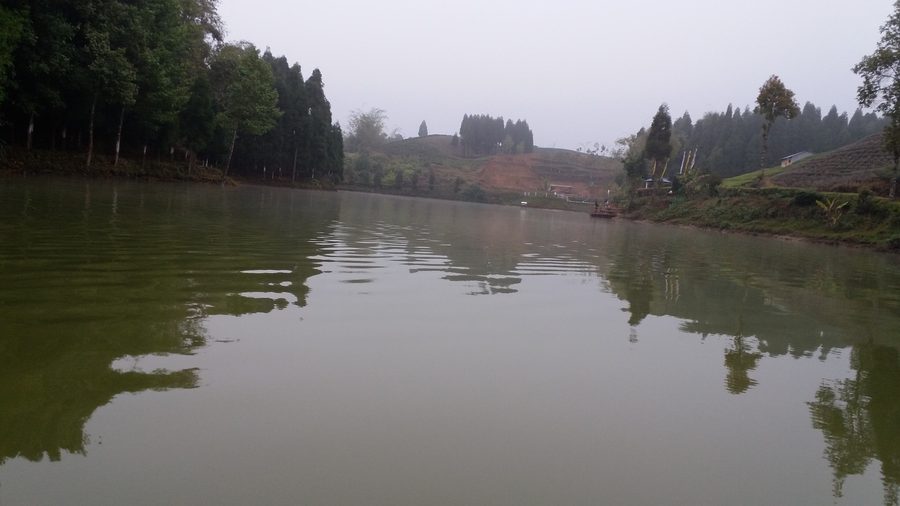 Tea gardens and hill scenery in Ilam, one of Eastern Nepal's best-known visitor landscapes.
Photo: Janak Bhatta via Wikimedia Commons, CC BY-SA 4.0
Tea gardens and hill scenery in Ilam, one of Eastern Nepal's best-known visitor landscapes.
Photo: Janak Bhatta via Wikimedia Commons, CC BY-SA 4.0
The Eastern Region in Nepal is compelling because here you can move within the same travel area from the Terai to Himalayan landscapes. For families, that contrast is especially appealing: there is nature, culture, and day trips with very different rhythms, and the choice of base has a major impact on how relaxed the trip feels.
Quick facts about the Eastern Region
- Landscape: The region ranges from flat plains through hills and into the mountains.
- Highlights: Kanchenjunga and Makalu are among the region’s striking Himalayan names.
- Experiences: Tea gardens, wildlife, and cultural impressions shape the travel experience.
- Base choice: Biratnagar, Bhadrapur, and Dharan are practical access points; more remote mountain locations usually mean more travel time.
Why the Eastern Region is more than just a stopover
The mix of lowlands, hills, and high mountains gives the Eastern Region a genuinely varied profile. Families traveling here can plan a mix of quieter days and broader excursions instead of being tied to just one type of scenery. That is exactly why it is worth choosing accommodation intentionally, based on the pace you want for each day.
The cultural side also adds to the impression. Rai and Limbu communities, among others, play a visible role in the region, and together with tea gardens and nature-based outings they create a travel picture that is more than just a mountain backdrop. So if you are looking for a region that combines scenery and everyday culture, there is enough substance here for a varied stay.
Nature and wildlife as a second strong reason
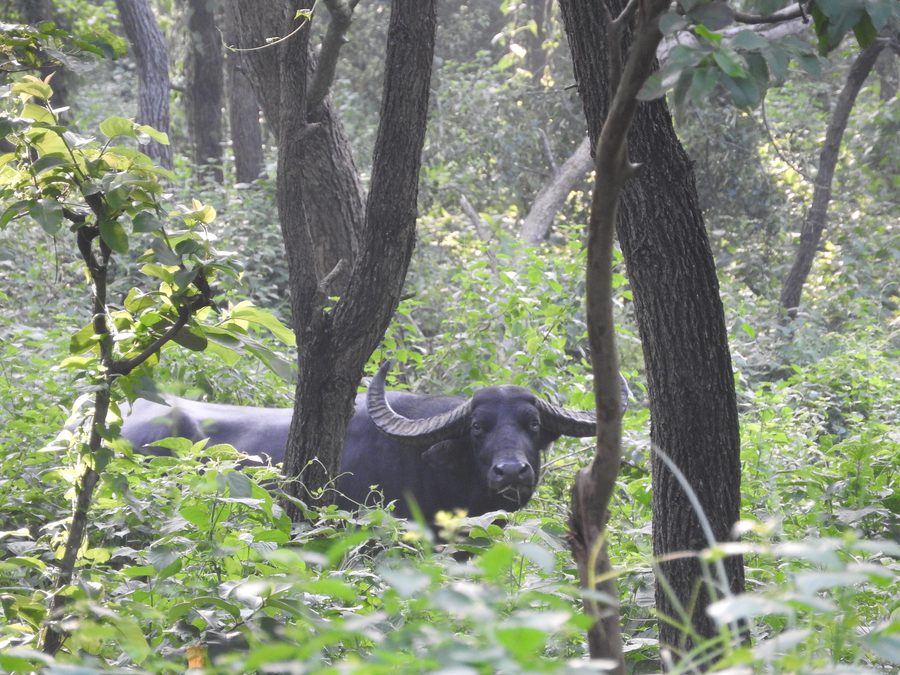
Wildlife-focused excursions give the region additional weight. That turns a simple map into a place where you can not only see nature, but plan it as a concrete part of the day.
Which location works best for families
If you want short distances and easier orientation, access points such as Biratnagar, Bhadrapur, or Dharan are the most practical choice. That is especially sensible when the family includes different age groups and not every day should be shaped by long transfers. For a quieter trip that focuses more strongly on scenery, mountain and higher-altitude locations are more suitable; there you accept longer journeys, but gain a more impressive natural setting.
For general trip planning, spring and autumn are considered the more reliably suitable travel windows, although the best choice naturally depends on altitude and travel style. This is especially helpful if you want to combine the region with several day destinations and avoid planning the daily schedule too tightly.
Koshi and Madhuwan as regional entry points
For a practical introduction to the region, the two Koshi pages Koshi and Koshi are the most obvious starting points. They are especially suitable if you are looking for a well-organized base and want to explore the region through a clear access point rather than many small detours.
The page for Madhuwan complements the picture of the Eastern Region as another reference point.
If you want to place the Eastern Region in the broader Nepal context, the path leads back to Accommodation in Nepal.
Frequently asked questions about the Eastern Region
What sets the Eastern Region apart compared with many other Nepal trips?
The region combines plains, hills, and the Himalaya in one travel picture. Add to that striking destinations such as Kanchenjunga and Makalu, plus a calmer feeling that seems less overrun.
Which experiences best sum up the Eastern Region?
Tea gardens, wildlife-oriented excursions, and cultural impressions together best express what the region is about.
When is a base in the Terai more worthwhile, and when is one in the mountains better?
For short distances and simpler logistics, access points in the Terai and in well-connected towns make more sense. If you want to emphasize scenery and peace more strongly, choose a mountain or higher-altitude location and accept longer journeys.
Which travel season is most suitable for a broad tour through the Eastern Region?
For broad planning, spring and autumn are considered the most reliable windows. This is especially useful if you want to combine several stops and avoid planning too tightly.


_at_Koshi_Tappu_Wildlife_Reserve,_Nepal.jpg)