
Discover Kuwait
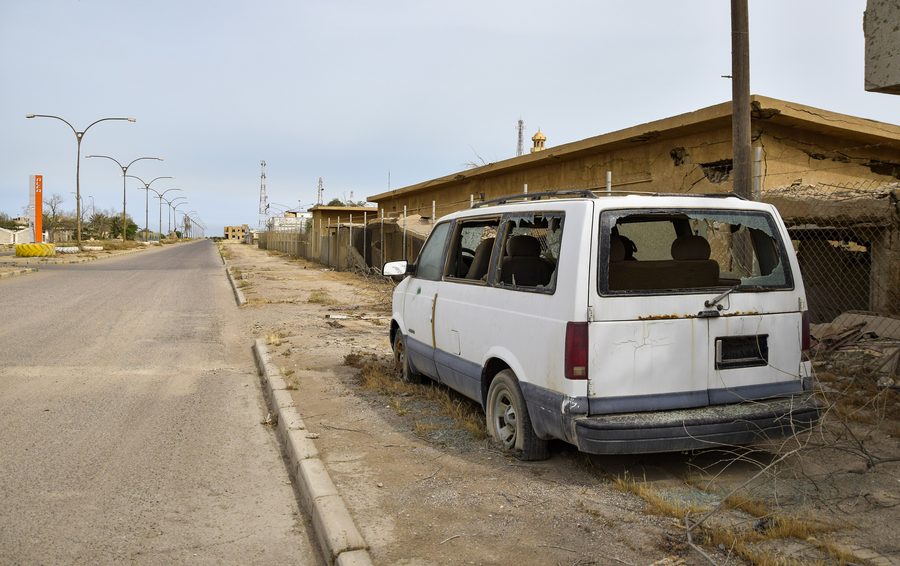 Az Zaur auf Failaka Island, einer Insel vor der Küste von Kuwait-Stadt.
Photo: Photographer: Mosbatho via Wikimedia Commons, CC BY 4.0
Az Zaur auf Failaka Island, einer Insel vor der Küste von Kuwait-Stadt.
Photo: Photographer: Mosbatho via Wikimedia Commons, CC BY 4.0
Kuwait shows several faces in a small area: In Kuwait City, the distinctive Kuwait Towers meet the Gulf coast, while the Al-Mubarakiya Souq is all about spices, crafts, and local delicacies. There are also the historical traces of Failaka Island, Kuwaiti food culture, and quieter natural and desert areas beyond the capital. For families and other curious travelers, this creates a travel picture that combines city, history, flavor, and landscape.
Quick take
- The Kuwait Towers combine modern architecture with a striking coastal landmark in Kuwait City.
- In the Al-Mubarakiya Souq, spices, jewelry, textiles, handicrafts, and local delicacies shape the market scene.
- Failaka Island adds historical sites and Greek temple ruins to the capital’s sightseeing program.
- Iranian khubz, a large flatbread, is often eaten in Kuwait with Mahyawa fish sauce.
- The Jahra Reserve stands for wetlands and migratory birds, while the Red Fort recalls the history of the Al Jahra region.
- Northern and northeastern parts of the country add desert stretches and quieter coastal areas to the urban picture.
Between coastal views and everyday souq life
Anyone discovering Kuwait for the first time will find an easy starting point in the capital. The Kuwait Towers stand on the coast and combine Arabic-inspired forms with modern architecture. That makes them a memorable city motif for a shared first impression, where water, architecture, and the big city sit right next to each other.
Another side of Kuwait appears in the Al-Mubarakiya Souq. Between spices, textiles, jewelry, and handicrafts, everyday life can be experienced through smells, colors, and products. For a group with varied interests, this is a versatile stop: some discover regional goods, while others focus on the culinary side. A fitting taste to go with it is Iranian khubz with Mahyawa fish sauce — a concrete example of how Kuwaiti food culture can also be explored through individual dishes.
History, island traces, and culture
Failaka Island offers a clear contrast to the modern capital. Historical sites and Greek temple ruins open a window onto older layers of the region. This is especially well suited to a stay that should not stop at architecture and market visits, but also include a historical discovery.
In Kuwait City, the Kuwait National Museum is devoted to the country’s history and culture. The Sheikh Jaber Al-Ahmad Cultural Centre also stands for music, theater, and art. Together with the souq, this creates a broad urban range: museum and culture themes for inquisitive days, market and food for immediate everyday impressions, and the coast as a recurring city motif.
When city, nature, and quieter days should fit together
A purely urban stay is not the only way to get to know Kuwait. The Jahra Reserve, with its wetlands and migratory birds, forms a natural contrast to the dense cityscape. The Red Fort adds a historical accent to this outing. Al Jahra can therefore be an interesting base in its own right when nature observation and history matter more in the travel plan than souq, museums, and landmarks.
Northern and northeastern areas are also associated with desert stretches and more remote coastal zones. Al Ahmadi, in turn, points to Kuwait’s industrial history and the importance of the oil industry. These differences help with a simple basic decision: should the stay mainly showcase the modern capital, include historical excursions, or focus more on landscape contrasts? For families with different age groups, it can make sense to combine more active discoveries with a lighter city, market, or museum day instead of planning every day the same way.
Adapting the accommodation to the travel plan
For a focus on the Kuwait Towers, the Al-Mubarakiya Souq, the National Museum, and the Cultural Centre, an urban base is the obvious choice. If, on the other hand, the Jahra Reserve and the Red Fort are the main attractions, Al Jahra can be seen as a separate thematic starting point. For a longer stay with different interests, Kuwait can also be planned as a combination of several experience zones. When choosing accommodation, check the exact location if certain city, coastal, or excursion destinations are especially important.
The direct regional starting points add to this orientation: in the urban area you will find Kuwait City, Al Asimah, Hawally, and Hawally Governorate. In the southern part, Al Ahmadi, Abu Halifa, and Al Funnayhil are available. For a nature-and-history emphasis, head to Al Jahra; Al Farwaniyah Governorate is also part of the regional overview.
Frequently asked questions about Kuwait
What makes Kuwait interesting beyond a simple capital city stay?
Souq culture, the historical traces of Failaka Island, Iranian khubz with Mahyawa, and landscape contrasts of wetlands, desert, and coast broaden the picture of the capital.
Which area is better for city and cultural experiences, and which is better for nature and history?
Kuwait City brings together the Kuwait Towers, the souq, the National Museum, and the Cultural Centre. Al Jahra combines the Jahra Reserve with the Red Fort and therefore sets a different focus.
Which culinary discovery can be linked to Kuwait?
At the Al-Mubarakiya Souq, local delicacies are part of the market scene. One specific specialty is Iranian khubz, which is often eaten with Mahyawa fish sauce.

_on_Failaka_Island,_Kuwait.jpg)