
Discover Fujikawa: river shipping, local history and Mimi
Accommodation in Fujikawa
Local history, river shipping and a traditional dish offer tangible cultural experiences in Fujikawa. In Kajikazawa, the Shio no Hana Museum of History and Culture and Tsukutabekan explore different aspects of the area: the museum covers historical artifacts and the history of Fujikawa river shipping; at Tsukutabekan, you can make and try Mimi. The Ooyanagawa Gorge in the Jukkoku district rounds out the options as a trekking area in the municipality.
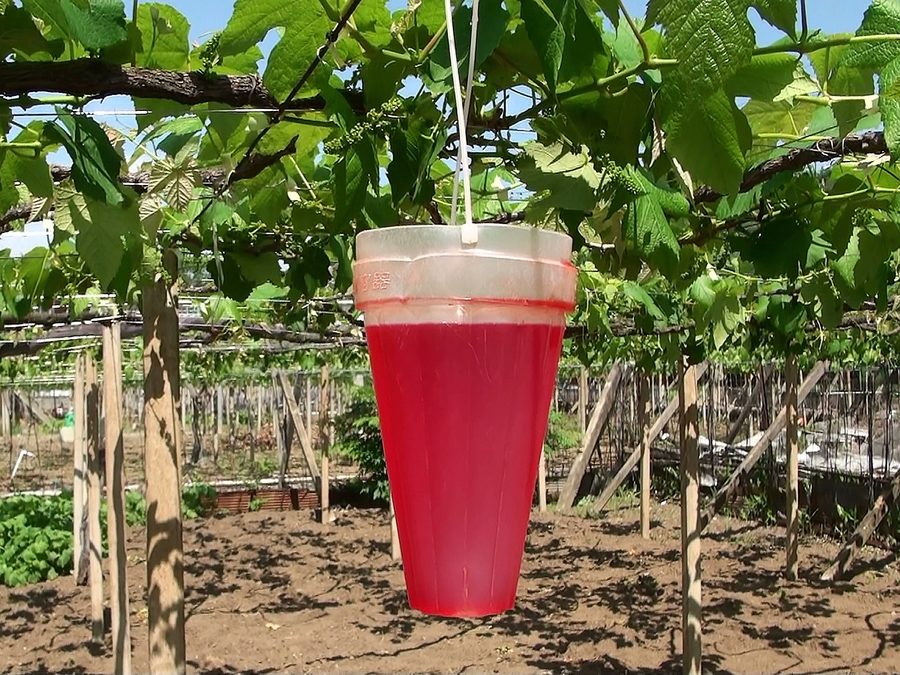 Weinbau und Obstkultur gehören zum regionalen Genuss- und Landwirtschaftsrahmen Yamanashis.
Photo: さかおり ( talk via Wikimedia Commons, CC BY-SA 3.0
Local history and river shipping in Kajikazawa
The Shio no Hana Museum of History and Culture opened on February 23, 2023. Its roles include supporting learning about local history and preserving historical artifacts for the future. The Fujikawa Shipping History Hall displays materials and panels that trace the history of Fujikawa river shipping from its beginnings to its end. This timeline makes the development of river transport a subject in its own right.
The Fujikawa Modern Figures Hall focuses on a different subject: it introduces 30 people connected with the city of Fujikawa. The museum thus offers two different ways to explore the city's history: one exhibition traces the history of river shipping from its beginnings to its end, while the other focuses on people with ties to Fujikawa. The former Kajikazawa-kashiato and U-no-se river landing site is also designated as a historic site by the city.
Check the museum website for current opening hours and closing days before your visit.
Make and try Mimi yourself
At Tsukutabekan in Kajikazawa, visitors can make and try Mimi, a dish passed down in Jukkoku. Wheat dough is shaped into pieces like small shovels and cooked with local vegetables and homemade miso paste. The dish combines a hands-on preparation with the chance to taste the result: the shape of the dough pieces and the ingredients are equally part of the experience. Those interested in regional food culture will find a different way to experience Fujikawa here than in the museum exhibitions. When choosing a holiday rental, you can therefore consider whether to include museum exhibits, a food-related activity, or both in your travel plans.
Trekking and the seasons at Ooyanagawa Gorge
The Ooyanagawa Gorge is a popular trekking area in the Jukkoku district of Fujikawa municipality. Its scenery changes with the seasons: fresh greenery appears in early summer, and autumn brings changing leaf colors. The mountain-ringed gorge is home to numerous wild animals, including deer, copper pheasants and pheasants; however, sightings are not guaranteed. For planning your visit, the contrast between fresh greenery in early summer and autumn foliage offers two different seasonal impressions.
To find the gorge entrance, start at the Jukkoku Entrance intersection on National Route 52. From there, Prefectural Route Jukkoku–Onishima runs for about six kilometers, or 15 minutes, to the signposted gorge entrance. A steep descent then leads to the entrance to the trail. Keep this descent in mind when deciding whether to include the gorge in your travel plans; the museum visit and the trekking tour are different ways to shape your stay.
If you choose your holiday rental based on your planned activities, this distinction can help: the museum and Mimi are in Kajikazawa, while the gorge has its own access route and a steep descent. This lets you factor cultural activities and trekking in as different interests when deciding where to stay.
Discover more destinations: Fujikawaguchiko, Kōfu, Yamanaka, Nirasaki, Hokuto, Fujiyoshida, Hayakawa, Kōshū.
For the overview of the wider region: Yamanashi Prefecture.

