
Holiday apartment in Yamatokōriyama
Accommodation in Yamatokōriyama
Yamatokōriyama brings together samurai-influenced attractions, a tea ceremony, goldfish breeding, narrow shopping streets, and the grounds of Kōriyama Castle in a compact area. This makes the town an independent cultural destination that can be explored through several different themes.
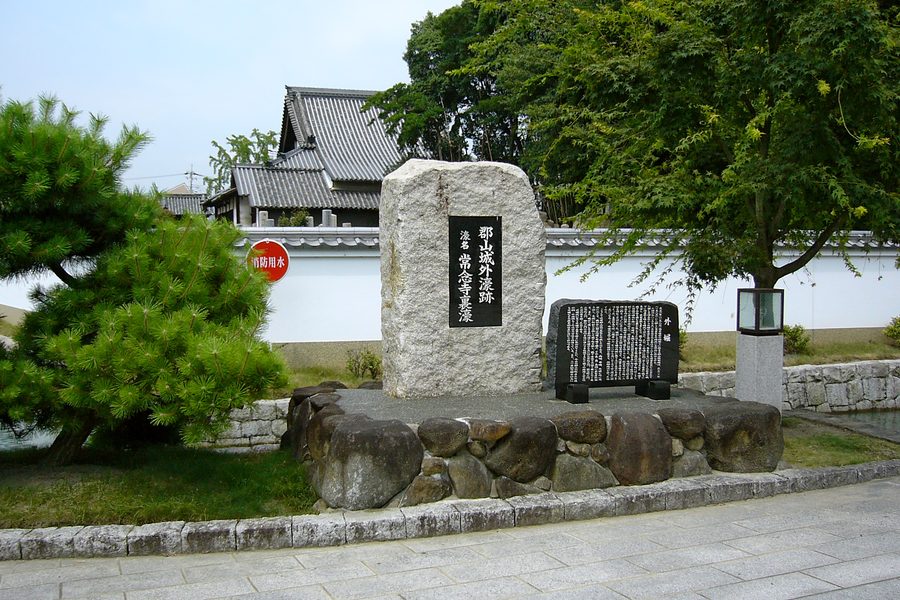 Die steinerne Befestigung von Kōriyama Castle veranschaulicht das historische Profil Yamatokōriyamas.
Photo: 663highland via Wikimedia Commons, CC BY 2.5
Die steinerne Befestigung von Kōriyama Castle veranschaulicht das historische Profil Yamatokōriyamas.
Photo: 663highland via Wikimedia Commons, CC BY 2.5
Quick facts about Yamatokōriyama
- Character of the town: a compact mix of history, tea ceremony, goldfish breeding, and traditional shopping streets
- Historical profile: castle grounds linked to the Sengoku period and reused stones in the fortification walls
- Season: floral impressions at temples and the castle from spring to autumn, including azaleas and hydrangeas
- Excursion link: can be planned as an excursion from Nara and combined with a stay in Nara
Between castle walls, tea, and goldfish breeding
The historical profile of Yamatokōriyama can be experienced through several different attractions. The castle grounds are associated with the Sengoku period and a construction dating to around 1580. Reused stones from local temples and shrines, as well as stone statues, are said to be visible in the fortification walls.
A relaxed tea ceremony at Jikoin Temple offers another way into the region's culture. Added to this are narrow shopping streets and the goldfish breeding that is typical of the town. These various themes can be combined into an eventful itinerary in the town: a historical impression followed by a stroll, a cultural experience, or observing a local specialty.
Local cuisine and seasonal impressions
Culinary examples from the area include kaiseki cuisine at Ogawa and French cuisine featuring locally grown Yamato vegetables at Le Benkei. These references are intended as suggestions for travel planning; current opening hours, prices, or reservation options should be checked separately before a visit.
From spring to autumn, seasonal floral impressions can be enjoyed at temples and the castle, including azaleas and hydrangeas. Travelers who especially value such outdoor views can plan their trip accordingly. However, this does not imply fixed blossom weeks or specific events. For changeable weather, a day plan with cultural destinations and flexible alternatives is advisable. As a possible option for a rainy winter day, a large shopping facility nearby may also be worth considering, without any guarantee of specific stores or offers.
Yamatokōriyama as a base of its own or as part of Nara?
There are two sensible perspectives for planning your trip. You can value Yamatokōriyama as an independent local cultural destination and combine several aspects of the town: castle, tea, shopping streets, and goldfish breeding. Or you can plan the town as a complement to well-known Nara sights. Yamatokōriyama can be planned as an excursion from Nara; the area is also close to Nara Park. Exact travel times or a blanket recommendation as the best base for Nara do not follow from this.
This distinction also helps when choosing a holiday apartment. If local discoveries are the focus, look for accommodation with convenient access to the town's planned destinations. For several excursions to Nara, connections to regional transport also become important. Based on the available information, no specific street or accommodation location can be reliably categorized as especially central, quiet, or advantageous.
Choose a holiday apartment to suit your travel mix
Yamatokōriyama fits into your travel plan if you do not want to reduce culture to a single major highlight. This allows days with historical impressions, strolling, and regional cuisine to be combined with excursions into the Nara region. Before making your choice, first check how much time you want to spend in the town itself and how strongly your focus is on regional excursions.
If seasonal blossoms and temple grounds matter to you, the planning should leave room for weather-dependent day-to-day decisions. A holiday apartment base should then be judged primarily by whether it suits this balance between local days and excursions. Statements about amenities, self-catering, parking spaces, pets, or special family comfort must be checked separately for each individual property and are not automatically confirmed by the character of the town.
You can compare further travel bases within the region under Nara Prefecture.
Frequently asked questions about Yamatokōriyama
What makes Yamatokōriyama special as a travel destination?
Its defining feature is the compact combination of samurai-shaped history, castle grounds, tea ceremony, goldfish breeding, and narrow shopping streets.
What seasonal impressions are there in Yamatokōriyama?
From spring to autumn, blossoms are mentioned at temples and the castle, especially azaleas and hydrangeas. This does not promise specific flowering dates.
Can Yamatokōriyama be combined with a stay in Nara?
Yes. Yamatokōriyama can be planned as an excursion from Nara. At the same time, you can consider it a local cultural destination in its own right because of its history, shopping streets, and tea ceremony.
What can be planned in changeable weather?
In addition to visits to the castle and temples, a large shopping facility nearby may be a possible alternative for a rainy winter day. Specific shops and opening hours cannot be inferred from this.

