
Accommodation in India
Accommodation in India
India is such an exciting destination precisely because the base you choose strongly shapes the character of the trip: modern cities, heritage-rich places, tropical coasts, and green water landscapes all sit within different planning regions. If you are traveling with children, it therefore helps to choose the region first and the accommodation second.
Quick facts
- The official India tourism overview groups experiences under Heritage, Spiritual, Adventure, Cuisine, Wellness, Arts, Rural, Nature, and Recreation.
- Nature themes include beaches, hills and mountains, forests and gardens, as well as rivers and lakes.
- For trip planning, India is often thought of in broad zones such as the north, south, beach regions, Himalayan foothills, and central and eastern states.
- The choice of base affects the climate experience, cultural focus, and style of accommodation.
Why India is organized here by regions rather than by a single accommodation solution
India is not a destination that can be well described with just one type of accommodation or a single uniform itinerary. For families, the real question is usually: do you want coast and water, mountains and slower days, cities and culture, or a route with the clearest possible logic? That is exactly why this page first leads you through the major travel pictures and only then to the individual regions.
The official thematic structure makes this very clear: Heritage and culture stand alongside nature, cuisine, wellness, and active holidays. For family comparison, that is helpful because you do not have to start with the accommodation, but with the experience the trip is meant to support.
Coast, islands, and water landscapes
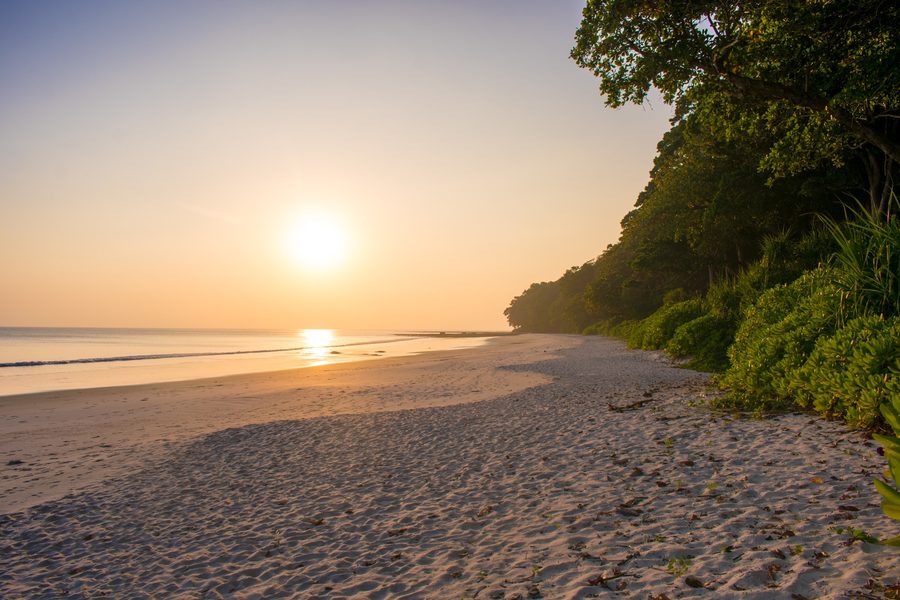
If you associate India with beaches, islands, and a more water-shaped daily rhythm, this is where the most obvious starting points are. This group is especially suitable if you want to avoid long changes of location and prefer to stay in one place that sets the pace of the trip.
- Andaman and Nicobar Islands for an island base where the water shapes the travel experience.
- Dadra and Nagar Haveli as a smaller entry within the broader India map.
- Daman and Diu for a compact stay near the coast.
- Goa for a beach focus with a clear holiday logic.
- Karnataka for a South Indian base with access to both coast and culture.
- Kerala for a southern region that combines well with water landscapes and slower days.
- Odisha for a connection to the east coast within the broader planning zones.
- Orissa as a separately listed east-coast entry that you should intentionally keep in view here.
- Puducherry for a compact, easy-to-manage southern base.
- Tamil Nadu for cultural and nature connections in South India.
- West Bengal as an eastern region with coastal and cultural relevance.
For families, this group is especially useful when the daily rhythm should not be determined by constant moves from place to place. Here, the trip follows the coast, islands, or water world more than a long chain of individual stages.
Mountains, the Himalayas, and slower stays
In addition to its coasts, India also offers striking differences in altitude and climate. For families who prefer quieter days, fresh mountain air, and a closer connection to place, this creates a very different travel picture from beaches or big cities.
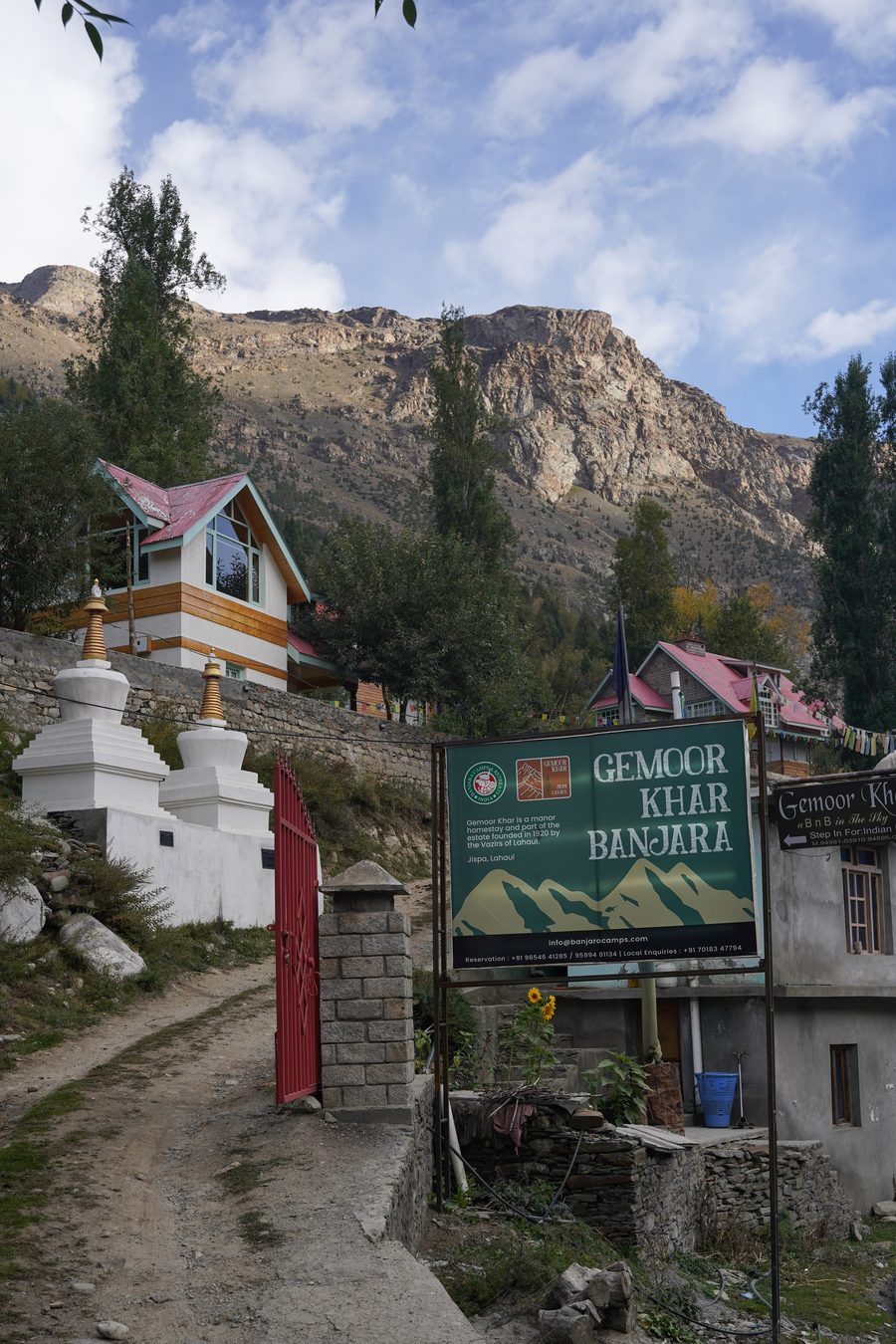
Mountain homestays are described in the available material as intimate, community-oriented accommodation with regional food and a slower holiday pace. That is exactly what makes them appealing for visitors who want not only to see landscapes, but also to get a calm sense of everyday life on the ground.
- Himachal Pradesh for a mountain stay at a slower pace.
- Jammu and Kashmir for the mountain and nature logic in the north.
- Sikkim for a nature-focused Himalayan setting.
- Uttarakhand for a mountain base that works well with slower travel.
For families, this direction is often interesting when the goal is not to fit in as much as possible in as little time as possible. Mountains and homestays suit travelers who would rather feel a place than tick off a route.
Cities, heritage, and classic round trips
If you want to explore India through culture, history, and clearer travel routes, the city and heritage regions offer especially strong starting points. These are places where sightseeing, daily errands, and a city base can be combined more effectively.
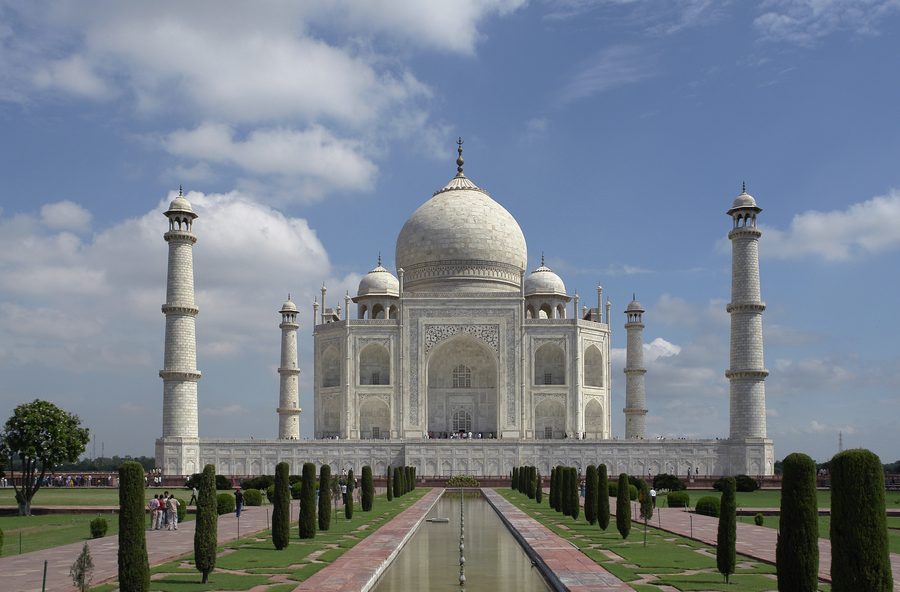
The classic image of India with the Taj Mahal and Jaipur stands for exactly this kind of trip: iconic cultural places that serve as references for heritage-focused routes. For families, the appeal is that the trip becomes more logical and often easier to plan than a very scattered mix.
- Andhra Pradesh as a southern cultural and round-trip building block.
- Bihar for a heritage-oriented route.
- Chandigarh as an urban base with clear orientation.
- Chhattisgarh as part of a central cultural and urban logic.
- Delhi as a major entry point for culture and onward travel.
- Gujarat for a base suited to tradition and round trips.
- Haryana as a North Indian building block within the larger route zones.
- Jharkhand as part of the broader eastern planning logic.
- Madhya Pradesh for culture and heritage routes in the center of the country.
- Maharashtra as a large urban and round-trip-friendly region.
- Punjab for a North Indian cultural and city base.
- Rajasthan for the classic heritage and round-trip route.
- Telangana as a large-city and round-trip-friendly southern or central building block.
- Uttar Pradesh as a central starting point for heritage-rich city routes.
If you are traveling with children, this group is useful because it gives you a clearer daily structure. City and heritage bases are particularly suitable when you want to experience culture while keeping logistics manageable.
The northeast and more remote discovery regions
The northeast often feels more distinct on the India map than the better-known cultural and beach corridors. That makes it interesting for families looking for landscapes, a less conventional route, and a stronger sense of discovery.
Here the focus is less on familiar patterns and more on regions with their own travel identity and more room for calmly planned stays. This is a good fit for families who consciously do not want the typical standard images of India.
- Assam as part of the northeastern discovery region.
- Meghalaya for a landscape-oriented northeastern setting.
- Mizoram as a quieter, more remote-feeling entry in the northeast logic.
- Nagaland for another northeastern discovery region.
- Tripura as a compact northeastern building block.
For family decision-making, this block is especially useful if you are looking for a travel feeling shaped by landscape and character rather than just another classic city-and-coast combination.
Which base is ultimately the better fit?
India rewards a clear decision at the start. A city base works if you want to combine culture and logistics. Coast and islands work if water and slower days should come first. Mountains are the obvious choice for a calmer setting with nature access and homestay options. The northeast is better suited to more individual, landscape-focused discovery trips.
For families, the simple question often helps: do you mainly want to collect cultural highlights, stay near the water, or experience a place at your own pace? The answer to that question determines which region is the best fit for you here.
Frequently asked questions about India
Which India experiences help families with the first selection?
India is easiest to organize through the official experience worlds: Heritage, Spiritual, Adventure, Cuisine, Wellness, Arts, Rural, Nature, and Recreation. This makes it quicker to see whether you want culture, nature, food, or activity at the center of the trip.
Why is choosing the base so important in India?
Because the base in India shapes the climate experience, the cultural focus, and the style of accommodation. In such a large country with strong regional differences, the right region is often more important than the question of a specific accommodation type.
How do coast, mountains, and cities differ as a family destination?
Coast and islands stand for water, beaches, and often longer stays in one place. Mountains suit slower days and a nature-oriented setting. Cities are strong when you want to combine culture, heritage, and a clearer daily structure.
What makes northeastern India different for a trip?
The northeast feels more distinct and less classic than the well-known cultural or beach corridors. Anyone looking for landscape and a more quietly planned discovery trip is more likely to find the right direction there than in a typical round trip with many standard highlights.

.jpeg)

