
Accommodations in Antarctica
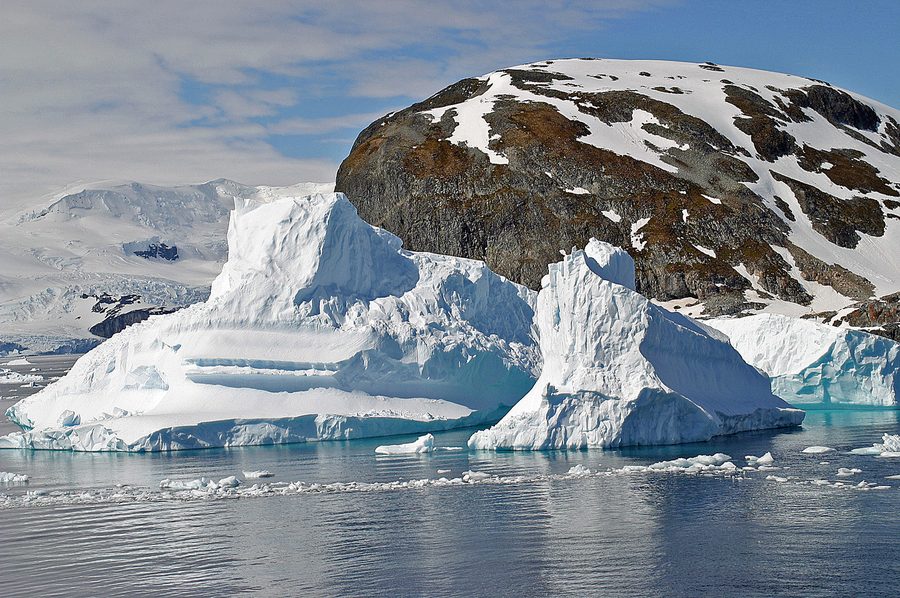 Eisberge in der Gerlache-Straße nahe der Antarktischen Halbinsel.
Photo: W. Bulach via Wikimedia Commons, CC BY-SA 4.0
Eisberge in der Gerlache-Straße nahe der Antarktischen Halbinsel.
Photo: W. Bulach via Wikimedia Commons, CC BY-SA 4.0
Antarctica is not a destination for classic holiday apartments, but for a trip in which ship, route, and season determine almost everything. Those looking here want less an address than the right experience: icebergs, coastal wildlife, and an expedition itinerary that fits their own travel idea.
Quick facts about Antarctica
- Trip character: an extremely remote, ice-dominated expedition region.
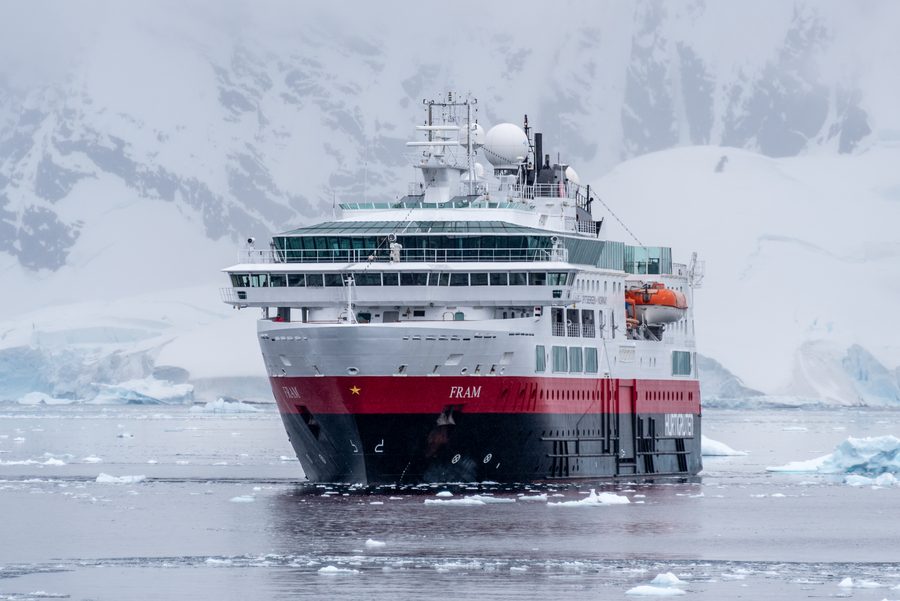
- Typical travel form: usually an expedition ship with Zodiac landings.
- Travel season: generally from November to March.
- Typical route: the Antarctic Peninsula with glaciers, penguins, and coastal scenery.
- Key decision: ship or fly-and-cruise.
Why Antarctica is different from a normal holiday resort
Here, the goal is not to find the best location for a holiday home. What matters more is which travel format will shape your stay: an expedition ship, an organized tour, or a fly-and-cruise solution. This is especially helpful if, as a family, you want to know early on how much organization and movement the trip should involve.
What you experience on the coast
Antarctica trips really come to life along the coast: icebergs, glaciers, penguins, and landings shape the picture, especially on the Antarctic Peninsula. Expedition teams often accompany the journey and help interpret the nature and context. This is useful if you want to do more than just see the impressions and also understand them together.
When the travel season matters most
Antarctica is typically visited from November to March. Early-season trips can offer especially striking ice landscapes and strong wildlife sightings. For you, that means the travel date changes not only the light and the ice conditions, but also how intensely the nature experiences come across.
Ship, route, or fly-and-cruise: which form is right?
The trip usually takes place by expedition ship, often with flexible Zodiac landings. Depending on the route, the Drake Passage may be part of the journey; fly-and-cruise options can avoid it. If you are planning with children or simply do not want long crossings, this difference is often the most important decision.
What this means for choosing your base
A classic accommodation in the sense of a holiday house plays hardly any main role here. What matters is which travel format gives you the best access to the coast and to the nature experiences. As a planner, the key question is therefore whether the trip format suits your pace, your mobility, and your wish for a clearly guided experience.
Frequently asked questions about Antarctica
What makes Antarctica special as a travel destination?
Antarctica is a very remote, ice-dominated travel region. Its appeal lies in the expedition experience, the views of the ice landscapes, and trips that are often organized by ship.
What experiences define an Antarctica trip?
Typical highlights are coastal wildlife, icebergs, glaciers, and landings on the Antarctic Peninsula. This creates a travel picture clearly focused on nature experiences.
When is the best time to travel to Antarctica?
Travel is usually from November to March. Early dates can offer especially impressive ice landscapes and strong wildlife sightings.
Why does the travel format matter so much in Antarctica?
Because ship, route, and possible fly-and-cruise options shape the itinerary and the experience more strongly than a classic location question. For trip planning in particular, that is often more important than a single accommodation address.

.jpg)
