
Accommodation in Namibia
Accommodation in Namibia
Namibia begins where contrasts become especially striking: on the Atlantic coast, the dry Namib meets cold seawater and the Atlantic-influenced coastal fog, while in the northeast rivers, wetlands, and woodland landscapes create a completely different travel picture. Between these lie highlands, Kalahari landscapes, open southern expanses, and a diverse central region. For families, this range is precisely what makes Namibia interesting: you can mentally put together a trip with sweeping scenery, quiet stages, and varied nature experiences instead of reducing Namibia to a single region.
Namibia at a glance
- The Namib forms a broad desert zone along Namibia’s Atlantic coast.
- Where cold Atlantic water meets the country’s hot climate, dense coastal fog can form.
- The central plateau, the Namib, the Great Escarpment, Bushveld, and the Kalahari stand for different major landscape types.
- The northeast combines rivers, wetlands, river forests, marshes, and other water-rich landscapes.
- The south is shaped by open spaces, remoteness, and silence.
- The central region brings together a wide range of tourist activities and excursion destinations.
Desert, Atlantic, and vast horizons
The coastal desert gives Namibia a distinctive opening. Dunes, dry expanses, and the Atlantic create a landscape experience that differs clearly from a classic beach holiday. The fog along the coast forms where cold Atlantic water meets the country’s hot climate, turning the coastal area into a desert stretch influenced by the sea.
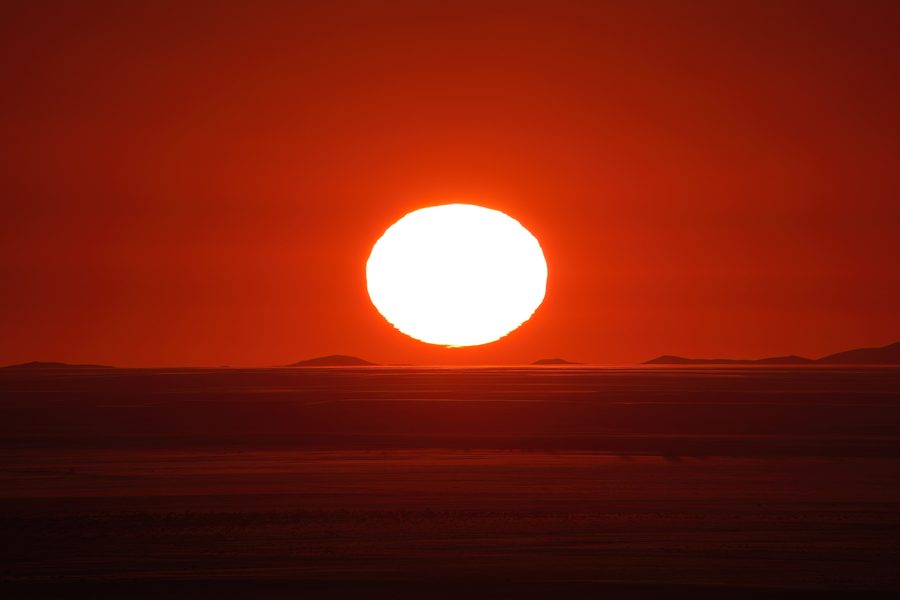
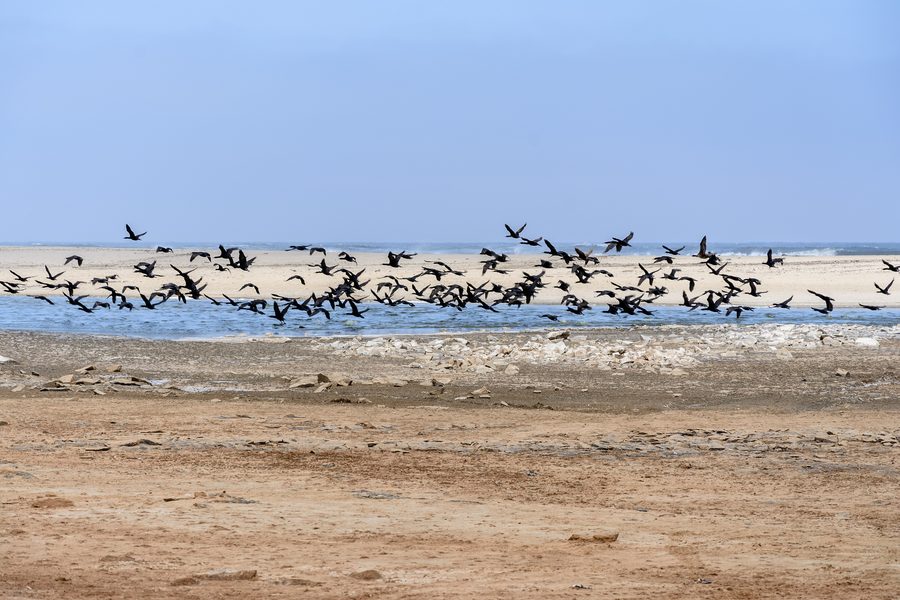
If you are traveling with children, you can deliberately choose a section of the trip that is defined above all by shapes, colors, and wide open space. For regional orientation, Erongo and Kunene are suitable points of reference for further exploration of central and western landscape contrasts. The coastal landscape itself remains a separate focus and should not be equated with the character of the inland areas when choosing a location.
Central variety or southern calm?
The central region works well as a conceptual counterpart to the coastal desert: the official regional classification points here to a variety of activities and excursion destinations. This makes a central stretch of the journey appealing if your family wants to combine different interests and does not want the same scenery every day.
The south sets a different tone. Open spaces, remoteness, and silence can be combined into quieter days in the landscape. This can be attractive for families who want to plan less crowded stretches between more intense discoveries. The pages for Khomas and Otjozondjupa lead into the central travel area; Hardap, Karas, and Omaheke belong to the southern or southeastern orientation.
The water-rich northeast as a contrast
In the northeast, the travel picture changes again: rivers, wetlands, river forests, marshes, and other water-rich landscapes form a strong counterpoint to the Namib and the southern expanses. This contrast can be especially important in travel planning for families with children of different ages. Anyone wanting to consciously experience water and river landscapes is looking for a different regional focus than a family whose priorities are desert, coast, and open horizons.
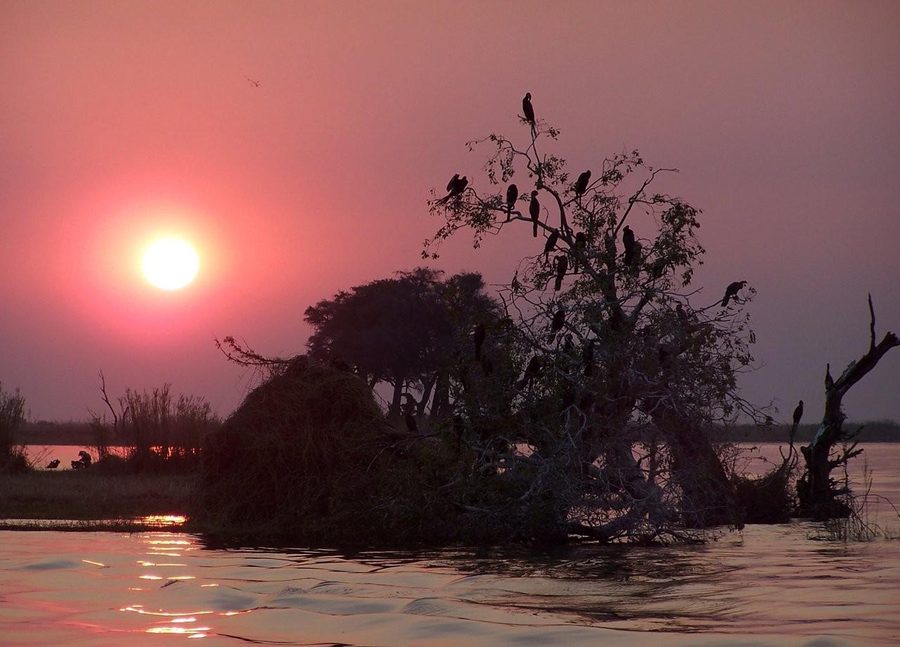
For this landscape region, the regional entry points are Caprivi, Kavango, and the Zambezi Region. They help you align a search for accommodation specifically with a northeastern travel section without equating the character of this landscape with the dry west.
Classifying northern travel ideas
The north is also described as a tourist area with strongly contrasting landscapes. For your planning, this means above all that the northern regions add another distinct section to the bigger Namibia picture. A specific choice should be guided by the desired mix of nature, landscape, and pace of stay.
The northern continuation includes Ohangwena Region, Omusati, Oshana, and Oshikoto. These names lead you to the respective regional overviews, while the national decision first answers a more fundamental question: should the trip be shaped by dry coastal and desert scenery, central variety, quiet southern spaces, or water-rich landscapes in the northeast?
Choosing the right accommodation base for your trip
In Namibia, the location of accommodation is closely tied to the landscape and travel section you want. A search for the coast and desert follows a different travel picture than a search for rivers and wetlands in the northeast. Likewise, the considerations for a varied central section differ from those for open, quieter spaces in the south.
So first identify your main focus: a trip full of contrasts, a coast-and-desert-oriented section, central variety, quiet southern expanses, or a water-rich northeast. After that, you can review the relevant regional overviews more specifically and check whether a single stay or several regional stops suit your family’s rhythm. For exact location, current facilities, and the suitability of a particular property, please consult the provider’s information.


.jpg)
