
Discover Egypt: Regions between the Nile, coast, and desert
Accommodation in Egypt
Egypt is far more than Cairo and the pyramids: the country brings together the Nile’s river landscape, ancient cultural sites, coastlines on the Red Sea and Mediterranean, rugged Sinai mountains, and vast desert and oasis scenery. For your travel decision, one question is especially important: should the focus be on culture, water, city life, landscape, or a deliberately mixed route?
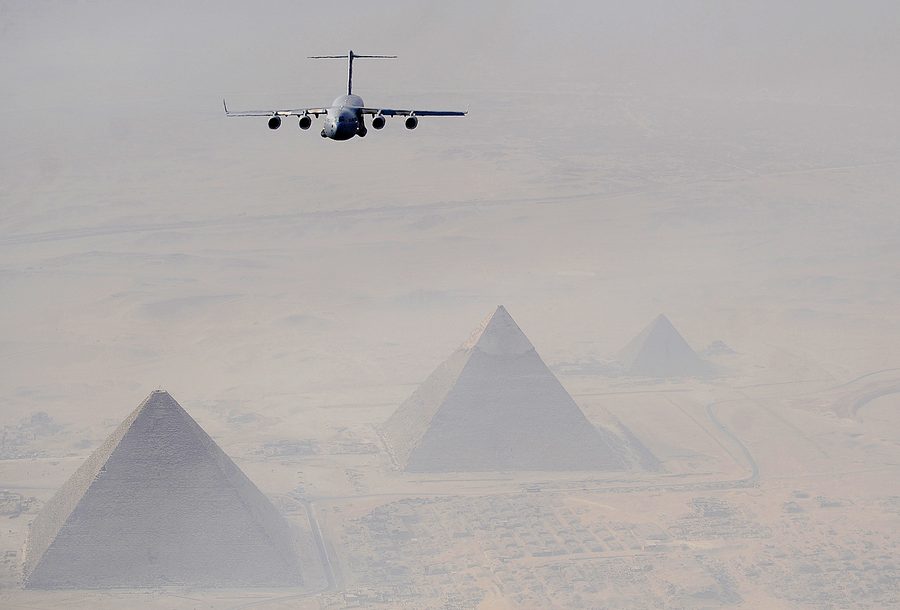 Die Pyramiden von Gizeh im Großraum Kairo.
Photo: Staff Sgt. Jacob N. Bailey via Wikimedia Commons, Public domain
Die Pyramiden von Gizeh im Großraum Kairo.
Photo: Staff Sgt. Jacob N. Bailey via Wikimedia Commons, Public domain
At a glance
- The Nile, Nile Delta, coastlines, and deserts create very different travel impressions.
- Cairo and Giza combine monuments such as the pyramids and the Sphinx with Islamic architecture, Coptic churches, and markets.
- Luxor and Aswan give a Nile journey concrete cultural and scenic stops.
- On the Red Sea, snorkeling, diving, and water sports take center stage.
- The Sinai combines coastlines with mountains and desert valleys.
- Alexandria adds a Mediterranean city and coastal contrast to a trip through the country.
- Deserts and oases provide a scenic counterpoint to cities and temple sites.
Between pyramids, the Nile, and city life
In the greater Cairo area, the Pyramids of Giza and the Great Sphinx meet a layered city with Islamic architecture, Coptic churches, and markets. That makes Cairo and Giza a distinct cultural building block: alongside the monuments, you can experience urban Egypt rather than treating the capital as just a brief stopover.
For this kind of focus, a city base in the Cairo and Giza area is a good choice. It suits a stay in which monuments, city life, and different cultural sites set the pace of the day. If you want to combine excursions with quieter stretches, choose your location according to the main focus you want and avoid overpacking the days.
The Nile Valley as a cultural journey
Luxor lies in the region of ancient Thebes. Karnak Temple, Luxor Temple, the Valley of the Kings, and other mortuary temples make it an especially concentrated cultural stop. Aswan complements the Nile Valley with Nile islands, granite cliffs, and Nubian villages. The result is a journey in which river scenery and history are visible as more than just a single monument.
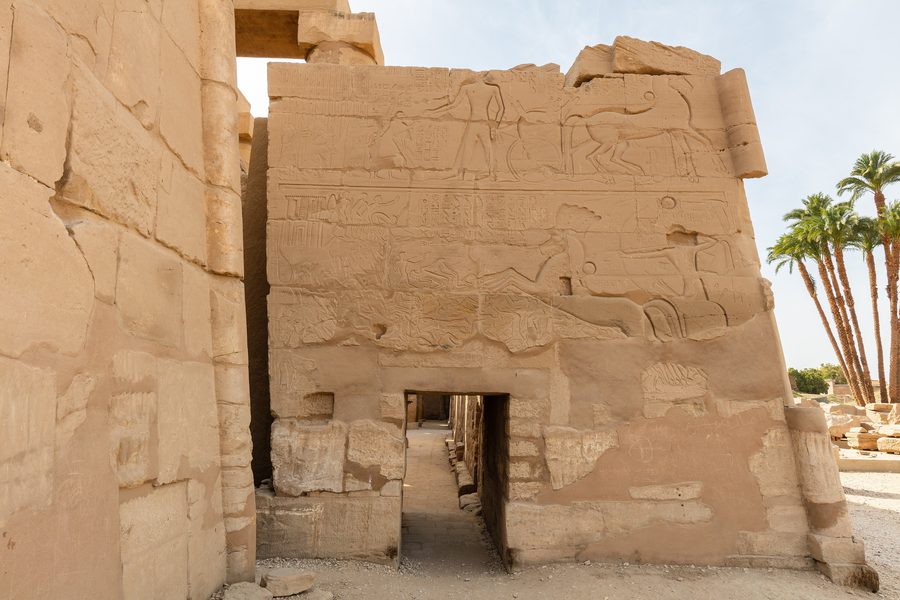
You can plan Luxor as a fixed base with several overnight stays or see it as a stop on a Nile route. A fixed base works well if you want to combine cultural sites with fewer changes; several stops along the Nile are more suited to a trip in which the river landscape itself becomes the common thread.
Red Sea, Mediterranean, and Sinai
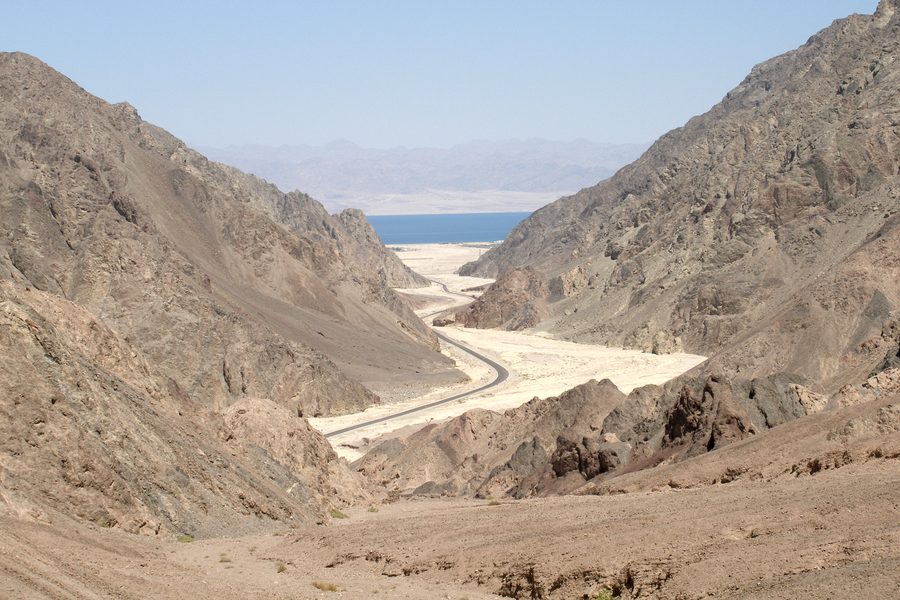
The Red Sea coast is all about snorkeling, diving, and water sports. A coastal base therefore suits a travel profile in which water experiences are the main attraction and culture-rich days on the Nile should not define the entire stay. The Sinai extends this picture: there, coastlines combine with mountain scenery and desert valleys.
The contrast with the Mediterranean becomes especially tangible in Alexandria. The city stands for a Mediterranean coastal and urban contrast, while the Red Sea is more strongly associated with water activities. Anyone weighing active days on the water against urban impressions should not treat these two coastal profiles as interchangeable.
Desert and oases as a separate travel element
The Western Desert leads into sand and rock landscapes with oases such as Dakhla and Kharga. Here, expanse, scenery, and a more deliberate travel pace take center stage, not a dense program of ancient monuments. A base in a desert or oasis setting therefore suits a trip that turns the landscape change itself into the experience.
Which base suits your travel idea?
For water experiences, a location near the Red Sea is the obvious choice. For pyramids, the Sphinx, and urban culture, a city base in the Cairo and Giza area is closer to the desired travel profile. Those who want to combine cultural sites along the Nile can plan Luxor as a fixed base or as part of a route with several stops. For the desert and oases, choose a base where the landscape and the peace matter more than proximity to a classic temple program.
If you are traveling with different interests, this sequence helps: first define the travel image you want, then choose the region, and only then select the exact accommodation location. That leaves room for water, culture, active landscape experiences, and more relaxed days without making blanket judgments about individual regions.
Regions for further planning
Red Sea and Sinai
For a deeper look at the water-oriented coastal and Sinai selection, see Red Sea Governorate, South Sinai, and Suez.
Nile Valley and Upper Egypt
The subordinate destinations for a Nile and culture route are Al-Minya, Aswan, Asyut, Luxor Governorate, Qina, and Sauhadsch.
Cairo, Giza, and the Delta
For urban impressions, Giza, and Delta options, you can look at Ad-Daqahliyya, Al-Gharbiyya, Al-Minufiyya, Al-Qalyubiyya, Asch-Scharqiyya, Giza, and Cairo Governorate.
Mediterranean and canal regions
The Mediterranean and maritime contrast is complemented by Al-Buhaira, Alexandria, Damietta, Kafr El Sheikh, Matruh, and Port Said.
Desert, oases, and further regional options
For landscape interests and additional regional reference points, the selection includes Al-Fayyum, Al-Wadi Al-Dschadid, Bani Suwaif, Ismailia, and North Sinai.
Frequently asked questions about Egypt
What distinguishes a stay at the Red Sea from a trip along the Nile?
On the Red Sea, snorkeling, diving, and water sports take center stage. A trip along the Nile is more focused on river scenery and cultural sites such as Luxor and Aswan.
Can a city stay in Egypt be combined with cultural and coastal days?
Yes, Cairo and Giza can serve as an urban cultural building block, while the Nile Valley and the coastlines complement other travel profiles. It makes sense to connect a few focal points deliberately rather than dividing the country into too many short sections.
What landscapes does Egypt offer besides the Nile and the pyramids?
The country also includes the Mediterranean and Red Sea coasts, the mountains and desert valleys of the Sinai, and the sand, rock, and oasis landscapes of the Western Desert.


