
Accommodations in Algeria
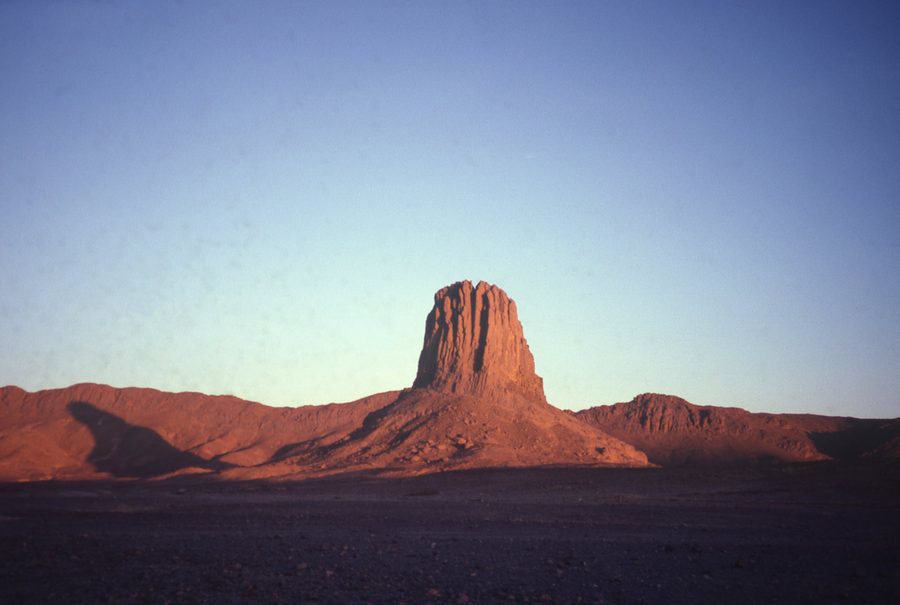 Der Adaouda-Gipfel in den Ahaggar-Bergen, einer prägenden Felslandschaft der algerischen Sahara.
Photo: Smiley.toerist via Wikimedia Commons, CC BY-SA 4.0
Der Adaouda-Gipfel in den Ahaggar-Bergen, einer prägenden Felslandschaft der algerischen Sahara.
Photo: Smiley.toerist via Wikimedia Commons, CC BY-SA 4.0
Algeria surprises with contrasts that within one country could hardly be greater: in the north lie the Mediterranean coast and major cities, farther south come the Atlas and highland regions, chotts, and the vast Sahara. In the Ahaggar, striking rock landscapes shape the southern scene. For your travel planning, the key question is therefore less which single place is typically Algerian than which travel feeling you want: city and culture, coast and north, highlands, or Sahara.
Algeria at a glance
- The Mediterranean, Atlas, and Sahara create three clearly different landscape scenes.
- The Sahara covers around 85 percent of the country and shapes Algeria far beyond the coastal region.
- In the Ahaggar, striking rock landscapes give the south its own character.
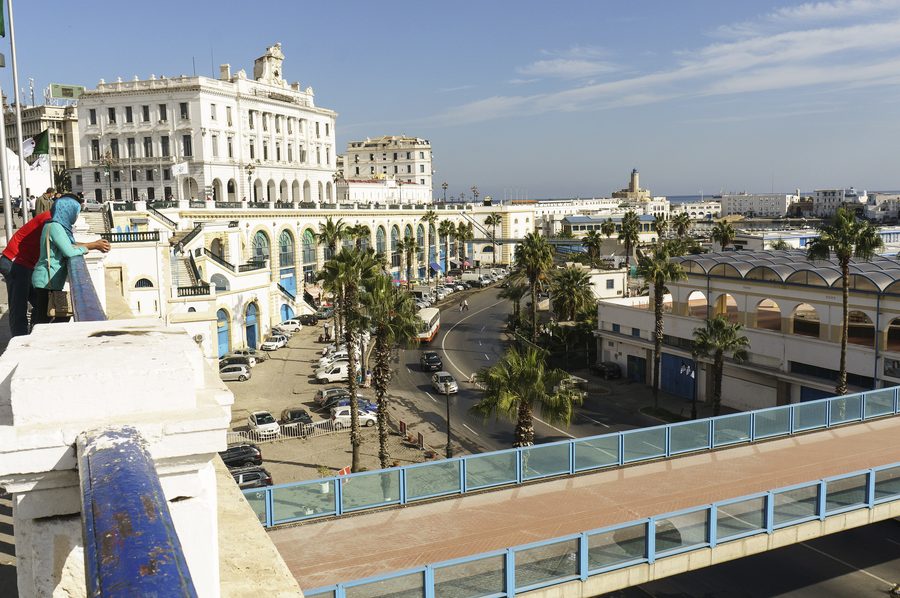
- Algiers combines a medina with modern Algerian city life.
- Historic ruins in the north point to Phoenician and Roman history.
- Couscous offers a particularly vivid entry point into the regionally shaped food culture.
- Dates and tea stand in oasis and Saharan areas for culinary impressions different from the ingredients often associated with the north, such as semolina, olive oil, and vegetables.
Landscapes, cities, and flavor
The north of Algeria is the obvious counterpart to the desert: the Mediterranean coast, larger cities, and the Atlas and highland regions running parallel to the coast form a varied geographic band. If you want to include culture in your trip, you can consider Algiers as a concrete reference point. The medina and modern city life stand side by side there, making the transition between historic urban space and the present day tangible.
Historical traces also belong to the northern travel picture. Phoenician and Roman history survives in ruins, without requiring you to base your trip around a single site. Tipasa can be noted as a named orientation point for the historic north; for a precise choice of sights, you should check the current information at each location.
The cuisine combines Berber, Arab, Ottoman, French, North African, and Mediterranean influences. Couscous is more than just a single dish: the knowledge and practices surrounding its preparation and consumption were recognized in 2020 as shared intangible cultural heritage of Algeria, Mauritania, Morocco, and Tunisia.
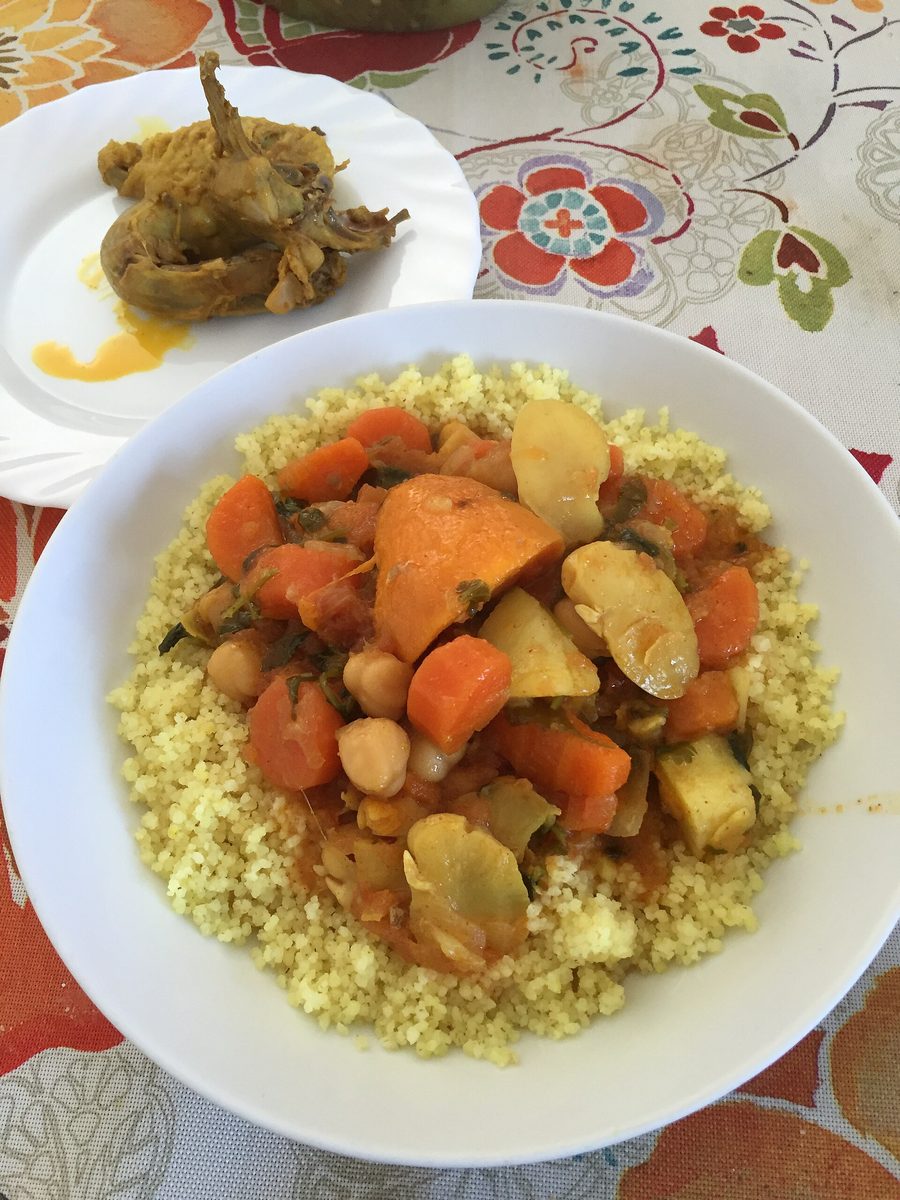
For shared everyday discoveries, this culinary perspective is especially helpful: in the north, semolina, olive oil, vegetables, and legumes are common references, while dates and tea in Saharan and oasis areas set a different regional accent. Even a quieter day can thus make the differences between the landscape regions visible.
Four travel styles for the first choice
City and culture: If you want to combine historic traces, medina, and modern city life, a northern, urban approach is a better fit than a trip focused solely on scenery. Oran belongs to the northern city names just like Algiers and can serve as another starting point for your first orientation.
Coast and northern landscapes: Together with the northern cities and the adjacent Atlas regions, the Mediterranean coast forms a travel picture that is clearly different from the Sahara. If sea, city visits, and historical impressions are to be combined, start by looking at the northern regions.
Atlas and highlands: The inland mountain and highland regions with the chotts open up a third perspective on Algeria. They represent neither the urban coastal picture nor the wide Sahara. For families wanting to bring different interests together, this distinction can help define the desired landscape motif before searching for accommodation.
Sahara and Ahaggar: In the south, the scale of the landscape changes. The Ahaggar, with its striking rock formations, makes the Sahara contrast especially vivid. Tamanrasset is the appropriate named reference point for this orientation; you should check specific access, tours, or stay conditions separately for the time of your trip.
Which accommodation base fits your travel plan
Choose the location only after you have defined the main focus. A city base primarily supports a wish for culture and urban life; a coastal location fits an orientation toward the Mediterranean. For the highlands or the Sahara, the chosen place should above all belong to the landscape region you want to experience. On a trip with children of different ages, a clear mix of more active days and quieter time slots can also be useful. To do this, check the exact location of the accommodation and the current conditions before booking, rather than assuming specific routes or facilities from the region name alone.
Regions as further orientation
The following names help you turn the first country decision into concrete search directions. They are based on major travel images and make it easier to begin your regional selection.
Northern coastal and urban areas
For the north and the combination of Mediterranean, cities, and cultural traces, the following are available: Annaba Province, Béjaïa Province, Blida, Boumerdès Province, Jijel Province, Mostaganem Province, Skikda Province, Tizi Ouzou Province, Vgayeth, and Wilaya de Blida. For a specific choice within this group, you should compare the exact location and the desired focus of your trip.
Eastern and inland areas
As further named orientation points for eastern and inland landscape regions, you will find Batna, Bouïra, Constantine, Mila, and Sétif Province. This group complements the coastal and urban picture with a broader perspective on Atlas and highland regions.
West and northwest
In the western and northwestern part of the selection are Sidi Bel Abbès Province, Tlemcen, and Tlemcen Province. The two Tlemcen entries are listed together here; for your search, the place or region name shown in each case is what matters.
Southern and Saharan areas
If your interest lies mainly in the expanse of the Sahara, then Adrar, Béchar Province, and Tindouf are additional named starting points alongside Tamanrasset. What remains decisive is which landscape region you actually want to focus on and whether the exact location of your accommodation matches it.
Frequently asked questions about Algeria
Which travel pictures meet in Algeria between the Mediterranean coast, the mountains, and the Sahara?
The north combines the Mediterranean coast and cities with Atlas and highland regions. In the south, the vast Sahara and, in the Ahaggar, striking rock landscapes shape the picture. This means you can first choose between city and culture, coast, highlands, or desert as your main theme.
What makes Algiers interesting as a cultural city element?
Algiers combines a medina with modern Algerian city life. This gives the city a concrete urban counterpart to the country’s mountain, highland, and desert landscapes.
Which culinary impressions can distinguish Algeria’s regions?
The regionally shaped cuisine combines various North African and Mediterranean influences. In the north, semolina, olive oil, vegetables, and legumes are among the ingredients named; in Saharan and oasis areas, dates and tea provide a different culinary accent. Couscous connects these perspectives as shared Maghreb heritage.


_(15838904316).jpg)
